
Isobutylamine Price
- Estimate pricing$ 15
- AvailabilityIn stock
- Type/ModelIsobutylamine
- MaterialOrganic amine
- Key DimensionsLiquid at 20°C
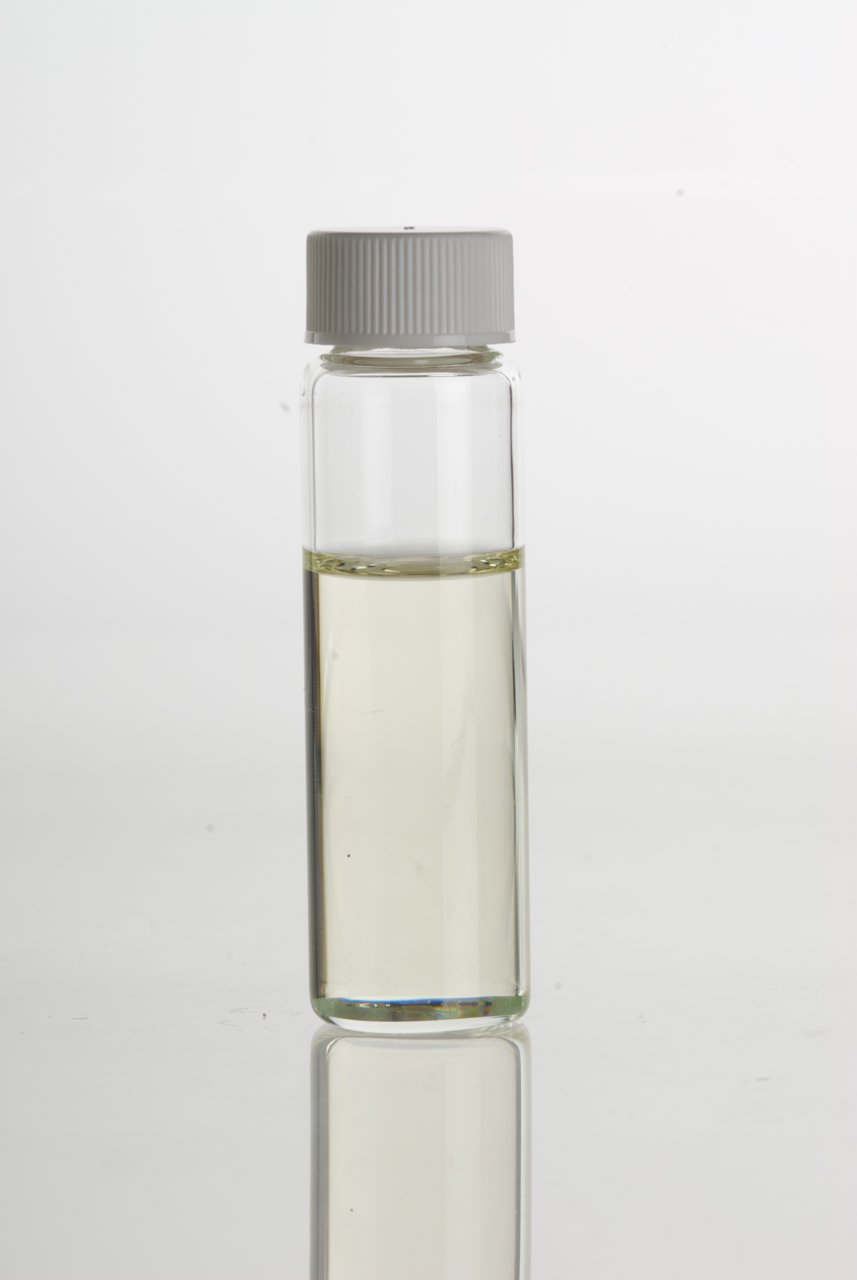
- Color/FinishColorless
Products Description
Product Name:Isobutylamine CAS:78-81-9 MF: C4H11N MW:73.14 Melting point:-85C Boiling point:64-71C Density:0.732 g/ml Package:1 L/bottle, 25 L/drum, 200 L/drum Property:It is soluble in water, alcohol and ether. Items Specifications Appearance Colorless liquid Purity 99.5% Isobutyl alcohol 0.2% Diisobutylamine 0.1% Water 0.2%
Product Categories
Products Specification
- Type/ModelIsobutylamine
- MaterialOrganic amine
- Key DimensionsLiquid at 20°C
- Color/FinishColorless
- CustomizationTypical industrial grade; purity and impurity profile may be adjusted per buyer request
- Packaging1 L amber glass bottle, 25 L HDPE drum, 200 L steel drum
- MOQ BasisBy volume: 1 drum (25 L) minimum; bulk inquiries welcome
- CertificationsAsk the supplier for current SDS, COA, and compliance documentation (e.g., REACH, GHS)
- Country of OriginSouth Africa
- HS CodeConfirm with supplier
- Flash Point−12°C (closed cup)
- Vapor Pressure130 mmHg at 20°C
- SolubilityMiscible with water, ethanol, diethyl ether



Inquire now
Related Products






More related Products from Seller



Post your requirement – Global Trade Plaza
Other Products from Seller







































































































More Isobutylamine Price from Category











Isobutylamine Price from other sellers




Buy Online Wholesale Isobutylamine Price from Supplier & Exporter in South Africa
Isobutylamine is a clear, colorless liquid with a strong ammonia-like odor, widely used as an intermediate in the synthesis of pharmaceuticals, agrochemicals, and rubber chemicals. Its high solubility in water, alcohol, and ether makes it a versatile reagent for organic synthesis and industrial processes.
Supplied in sealed containers to preserve purity and prevent contamination, this grade meets typical industrial specifications for reactivity and consistency. The 99.5% minimum purity ensures reliable performance in downstream applications such as resin curing, corrosion inhibition, and chemical derivatization.
When handling isobutylamine, ensure adequate ventilation and use appropriate PPE due to its volatility and corrosive nature. Store in a cool, dry, well-ventilated area away from oxidizing agents and acids. Always follow supplier safety data sheets and local regulations for transport and storage.
Import Wholesale Isobutylamine Price for Your Business Needs
Best Fit & Nearest Alternatives
Best suited for:
- Pharmaceutical intermediate manufacturing
- Agrochemical synthesis
- Rubber vulcanization accelerators
- Corrosion inhibitor formulation
Not ideal for:
- Food-grade applications without further purification
- High-temperature processes exceeding 100°C
- Use in strongly acidic or oxidizing environments without compatibility checks
Compared with n-butylamine, isobutylamine offers slightly lower volatility and different steric properties, which may influence reaction selectivity in organic synthesis. It is generally less expensive per kilogram than sec-butylamine but more reactive than tert-butylamine.
What Drives the Price
- Purity level and impurity profile (e.g., isobutyl alcohol, diisobutylamine, water content)
- Packaging size and material (glass vs. HDPE vs. steel drums)
- Supplier’s production scale and downstream integration
- Regulatory compliance and documentation requirements
Pricing scales with volume tiers and minimum order quantity (MOQ). Contact suppliers directly to request a tailored quote based on your required batch size and delivery schedule.
Lead Time, Shipping & Returns
- Lead time: Typical lead time is 7 - 21 days from order confirmation, subject to availability and regulatory documentation. Confirm exact timing with the supplier during quote request.
- Shipping: Commonly shipped via road tanker for bulk or IBCs, and by air or express freight for smaller quantities. Ensure proper classification (e.g., UN2734, Class 8) and compliance with IMDG or IATA where applicable.
- Returns & defects: Returns are accepted only for confirmed manufacturing defects or contamination. Inspect shipments upon receipt; report discrepancies within 48 hours with photographic evidence. Suppliers may require third-party analysis for claims.
Handling & Application Notes
- Isobutylamine is highly flammable; keep away from ignition sources and ensure grounded equipment during transfer.
- Use in a fume hood or ventilated system due to strong odor and vapor irritation.
- Compatible with stainless steel, glass, and many fluorinated polymers; avoid contact with copper, aluminum, or zinc.
About Supplier
Flumxat Global B2B Trading Pty Ltd is a South Africa-based trader with experience in sourcing and distributing specialty amines for industrial and chemical applications across Southern Africa.
The company maintains a network of vetted chemical manufacturers and logistics partners to ensure consistent supply and regulatory compliance. They provide technical support and documentation for downstream use in adhesives, coatings, and chemical synthesis.
Supplier Details for Isobutylamine Price
- Established - 5 May, 2021
- Business Type - Trader
- Deals in Product Type - Industrial Alcohol, Strong Alcoholic Beverages like Whisky, Gin, Vodka, Rum etc, Almonds, Cashew Nuts, Dry Fruits & Nuts
- Country - South Africa
Frequently Asked Questions (FAQs) on Isobutylamine Price
1. What is the typical purity range for isobutylamine in industrial applications?
Industrial grades typically range from 98.5% to 99.5% purity, with lower levels of isobutyl alcohol, diisobutylamine, and water. Confirm exact specification with the supplier based on your application.
2. Is isobutylamine compatible with polyethylene or polypropylene containers?
It is generally compatible with HDPE and PP for short-term storage at ambient temperatures. For long-term or bulk storage, consult the supplier for compatibility confirmation and material recommendations.
3. Can isobutylamine be used as a corrosion inhibitor in metalworking fluids?
Yes, it is used as a corrosion inhibitor and pH adjuster in metalworking formulations due to its basicity and film-forming potential. However, formulation testing is recommended to assess performance and compatibility with other additives.
4. What are the main hazards associated with isobutylamine handling?
Isobutylamine is corrosive to skin and eyes, harmful if inhaled, and highly flammable. It requires proper ventilation, PPE, and secondary containment during handling and storage.
5. Is a Safety Data Sheet (SDS) available from the supplier?
Yes. Reputable suppliers provide an SDS compliant with GHS standards upon request or with initial shipment. Ensure it covers your jurisdiction’s regulatory requirements.
6. How should isobutylamine be disposed of?
Dispose of in accordance with local hazardous waste regulations. Do not release into waterways or sewer systems. Use licensed waste disposal services and retain documentation.
7. Can isobutylamine be shipped by air?
Yes, but it requires proper classification (UN2734), packaging, and documentation per IATA regulations. Confirm with the supplier for air freight feasibility and compliance.
8. Is there a shelf-life limitation for isobutylamine in sealed drums?
While chemically stable for years under proper storage, degradation or contamination risk increases with prolonged storage or exposure to moisture or heat. Use within 24 months of production is typical; confirm with the supplier.
Explore Top Product Categories
- Alcohol Based Hand Sanitizer
- Paper Soap
- Antibacterial Hand Wash
- Cosmetic Kits
- Detergent Chemicals
- Industrial Chemicals
- Laboratory Chemicals
- Leather Chemicals
- Car Accessories
- Motorcycle Parts
- Automobile Brakes Spare Parts
- Motorcycle, Scooters & ATV Bikes
- Building Construction Machineries & Equipments
- Bricks
- Cupboards, Door, Gates, Grills & Windows
- Wall Tiles
- Filters, Water Treatment Plants
- Household Cleaning Products
- Wiping Rags, Mops, Dusters, Sponge, Brushes, Scourer
- Soap & Detergent
- Industrial Gears & Gear Boxes
- Machined Components
- Bolts
- Nuts
- Food Packaging Bags
- Wooden Packaging Boxes
- Offset Printing Machinery & Equipments
- Packaging Machinery
Related Products
Richest Ptbcha High QualityN,n-Dimethyl-1,3-Diaminopropane PriceHot Sale Monoisopropylamine 99.7%Trichloroethylene (Tce)Top 1 Manufacturer Oxalic Acid 99.6% H2C2O4Potassium Sorbate Price Powder Food GradeY101 Factory Prices Iron Oxide RedAromatic Solvent C9High Quality Aromatic Solvent C12Diethylene Glycol Ethyl Ether AcetateHydrogen Peroxide Factory WholesaleMagnesium Oxide With Different UsagesMagnesium SulphateMethanol 99.9% Factory Supply IndustrialStandard Methanol 99%Methoxy Propanol With Best PriceMethanol, >99%Sodium Meta Hexa PhosphatePrice For Phosphoric Acid 85% Technical GradeBest Quality Factory Supply Bicarbonate Of SodaSoda Ash Light Sodium CarbonateSulphuric Acid 98%White Powder Titanium DioxideChemical Grade White Zinc OxideZinc SulphateOrganic 94% Formic AcidRefined Glycerine 99.7% Usp Grade
Related Categories
Industrial ChemicalsAcetic Acid (Vinegar)Adhesive, Sealants & LubricantsAgricultural ChemicalsAldehydeAlumAluminum OxideAluminum SulfateAmmonium SulphateAnionic PolyacrylamideAromatic ChemicalsAzo CompoundsStrong Alcoholic Beverages like Whisky, Gin, Vodka, Rum etcBenzoic AcidBleaching ChemicalsCalcium CarbonateCalcium ChlorideCalcium ChlorideCalcium HypochloriteCalcium OxideCalcium SilicateCalcium SulfateCaustic SodaCaustic SodaChemical SaltsChlorineChlorine Dioxide