
Chromic Acid For Sale
- Estimate pricing$ 300
- AvailabilityIn stock
- Chemical FormulaH2CrO4 (as part of dichromate-sulfuric acid mixture)
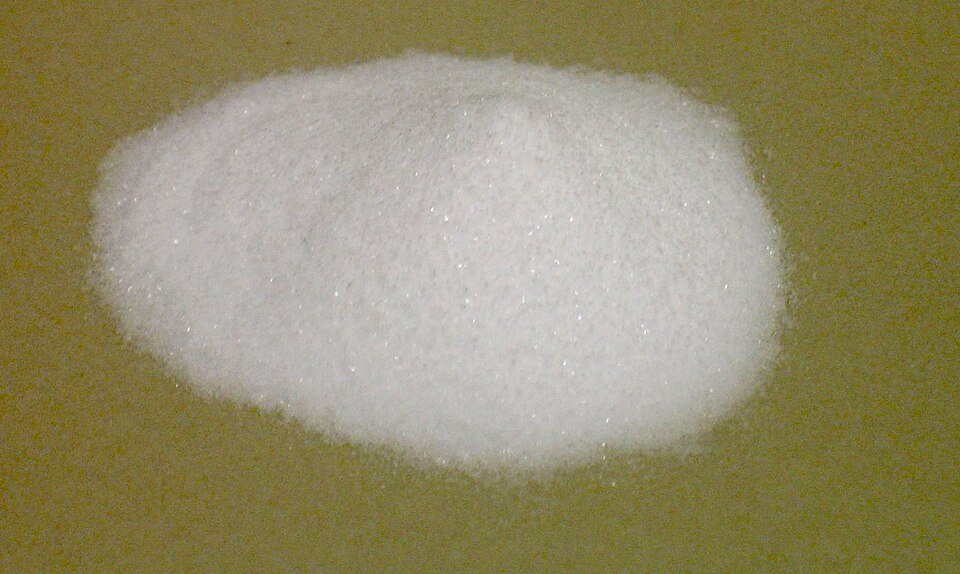
- Physical FormCrystalline solid or concentrated solution in water
- AppearanceDark red or orange crystalline solid or deep red solution
- SolubilityHighly soluble in water; decomposes in organic solvents
Products Description
Chromic Acid is a naturally occurring oxide with a formula H2CrO4. Chromic Acid is also called Tetraoxochromic acid or Chromic(VI) acid. It is usually a mixture made by adding concentrated sulphuric acid (H2SO4) to a dichromate which consists of a variety of compounds and solid chromium trioxide.
Product Categories
Products Specification
- CAS NumberConfirm with supplier
- Chemical FormulaH2CrO4 (as part of dichromate-sulfuric acid mixture)
- Molecular WeightConfirm with supplier
- Physical FormCrystalline solid or concentrated solution in water
- Purity/AssayConfirm with supplier
- AppearanceDark red or orange crystalline solid or deep red solution
- pH (1% solution)Confirm with supplier
- SolubilityHighly soluble in water; decomposes in organic solvents
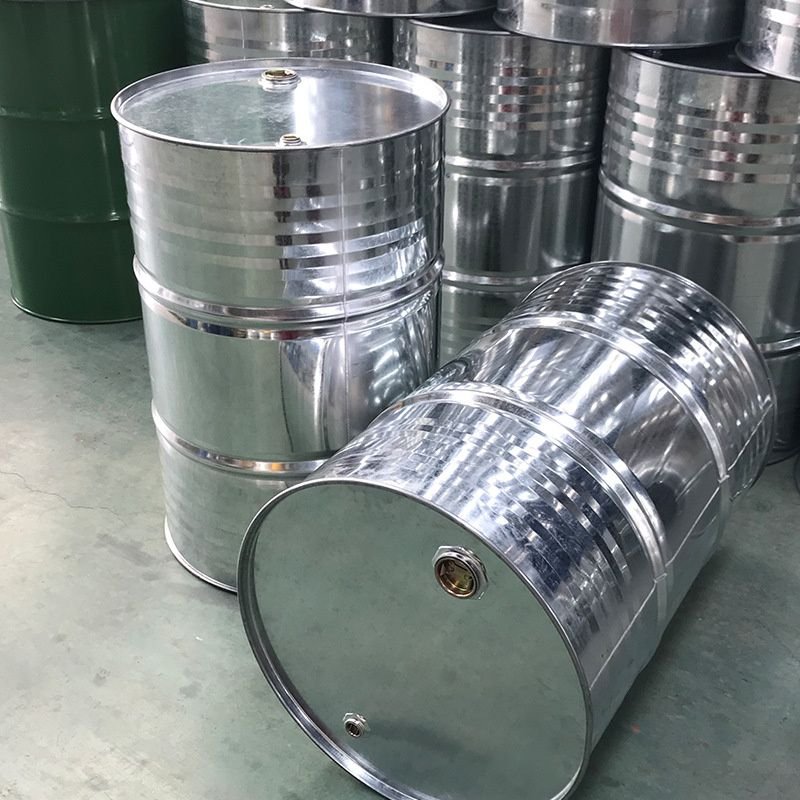
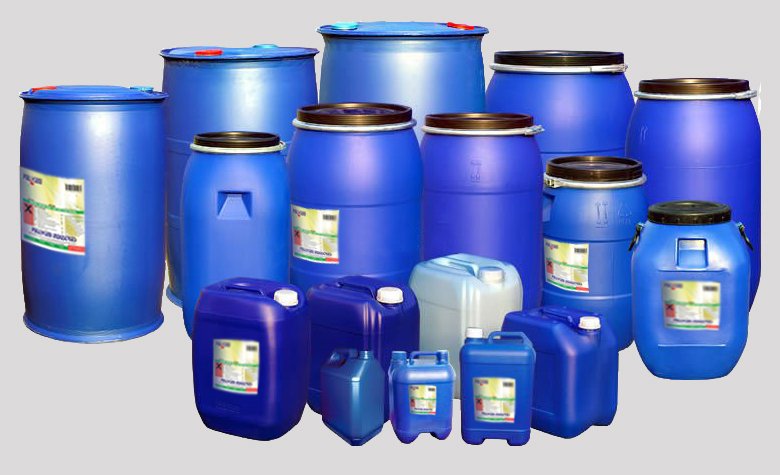
- Packaging25 kg, 50 kg, or 200 kg UN-approved plastic drums; custom options available
- HS CodeConfirm with supplier
- Melting Point197 °C (for CrO3)
- StabilityDecomposes above 250 °C; hygroscopic
- Oxidation PotentialStrong oxidizing agent (E° ≈ +1.33 V in acid)



Inquire now
Related Products






Post your requirement – Global Trade Plaza
Other Products from Seller











































































































More Chromic Acid For Sale from Category












Chromic Acid For Sale from other sellers




Buy Online Wholesale Chromic Acid For Sale from Supplier & Exporter in South Africa
Chromic acid is a powerful oxidizing agent widely used in industrial applications such as metal finishing, wood preservation, and chemical synthesis. Sourced from reputable exporters in South Africa, this product is available in bulk quantities to meet large-scale operational demands. Its high reactivity and purity make it suitable for processes requiring stringent chemical standards.
Typically supplied as a mixture containing chromium trioxide, chromic acid is valued for its effectiveness in etching, cleaning, and as a reagent in organic synthesis. Buyers should confirm compliance with local regulations and safety protocols before procurement, as handling requires specialized knowledge and protective equipment.
For businesses in plating, tanning, or chemical manufacturing, chromic acid provides consistent performance in surface treatment and oxidation reactions. Ensure supplier-provided safety data sheets and technical documentation are reviewed to align with your operational requirements and environmental policies.
Import Wholesale Chromic Acid For Sale for Your Business Needs
Best Fit & Nearest Alternatives
Best suited for:
- Metal finishing and electroplating operations
- Wood preservation treatments
- Laboratory reagent use in chemical synthesis
- Oxidation reactions in organic chemistry
Not ideal for:
- Applications requiring non-oxidizing environments
- Food-grade or pharmaceutical processing without dedicated purification
- Low-skill handling environments due to high toxicity
Compared to milder oxidants like hydrogen peroxide, chromic acid offers stronger oxidation potential but requires stricter handling and disposal protocols. For lower-risk alternatives, consider sodium persulfate or potassium permanganate in specialized applications.
What Drives the Price
- Purity level and chromium content
- Packaging size and material compatibility
- Regulatory compliance and certification availability
- Origin region and supply chain logistics
Pricing scales with order volume and minimum order quantity (MOQ) tiers. Contact suppliers directly for a customized quote based on your annual consumption and delivery schedule.
Lead Time, Shipping & Returns
- Lead time: Typical lead time ranges from 15 to 45 days post-order confirmation, depending on volume and certification requirements. Confirm exact timelines with the supplier.
- Shipping: Commonly shipped via sea freight for bulk orders or air freight for smaller specialized lots. Packaging is designed for chemical-grade transport with UN-approved containers.
- Returns & defects: Returns are accepted only for verified contamination or specification deviation, subject to inspection by the supplier within 7 - 14 days of receipt. Inspect shipments immediately upon arrival and document any discrepancies.
Handling & Application Notes
- Use in well-ventilated areas with fume extraction; chromic acid releases toxic chromium(VI) fumes upon reaction.
- Always dilute with water before handling to minimize risk of violent reactions with organic materials.
- Store in tightly closed, corrosion-resistant containers away from reducing agents, acids, and sources of ignition.
About Supplier
Flumxat Global B2b Trading Pty Ltd is a South Africa-based exporter specializing in industrial chemicals and metal treatment products. With a focus on reliable supply chains to African and international markets, they provide certified chemical solutions with transparent documentation.
The company maintains compliance with regional and international trade standards and offers logistics support for bulk chemical shipments. Buyers are encouraged to request technical datasheets and safety certificates directly for due diligence.
Supplier Details for Chromic Acid For Sale
- Established - 5 May, 2021
- Business Type - Exporter
- Deals in Product Type - Industrial Alcohol, Strong Alcoholic Beverages like Whisky, Gin, Vodka, Rum etc, Almonds, Cashew Nuts, Dry Fruits & Nuts
- Country - South Africa
Frequently Asked Questions (FAQs) on Chromic Acid For Sale
1. What is the typical moisture content of the supplied chromic acid?
Moisture content varies by production batch; confirm exact values with the supplier as part of the technical datasheet review.
2. Can chromic acid be used in leather tanning processes?
Yes, chromic acid is historically used in tanning to produce chrome-tanned leather, though modern systems may use basic chromium sulfate for better control.
3. Is chromic acid compatible with stainless steel storage containers?
Stainless steel types 304 and 316 are generally resistant to dry chromic acid, but solutions should be stored in polyethylene or lined steel to prevent corrosion over time.
4. What safety certifications should I request from the supplier?
Ask for a Safety Data Sheet (SDS) compliant with GHS standards, as well as any local regulatory certifications such as REACH or OSHA equivalents.
5. Does chromic acid require special disposal methods?
Yes, disposal must follow hazardous waste regulations due to chromium(VI) toxicity; engage licensed waste handlers and confirm supplier guidance.
6. What is the shelf life of chromic acid solution?
Typical shelf life is 12 months when stored in sealed, corrosion-resistant containers away from heat and moisture; confirm with supplier for stabilized formulations.
7. Can chromic acid be neutralized on-site?
Neutralization is possible using reducing agents like sodium metabisulfite in controlled conditions, but requires trained personnel and proper effluent treatment to meet environmental limits.
8. What documentation accompanies shipments?
Suppliers typically provide a Certificate of Analysis (CoA), Material Safety Data Sheet (MSDS), and Bill of Lading; confirm required documents during order placement.
Explore Top Product Categories
- Alcohol Based Hand Sanitizer
- Paper Soap
- Antibacterial Hand Wash
- Cosmetic Kits
- Detergent Chemicals
- Industrial Chemicals
- Laboratory Chemicals
- Leather Chemicals
- Car Accessories
- Motorcycle Parts
- Automobile Brakes Spare Parts
- Motorcycle, Scooters & ATV Bikes
- Building Construction Machineries & Equipments
- Bricks
- Cupboards, Door, Gates, Grills & Windows
- Wall Tiles
- Filters, Water Treatment Plants
- Household Cleaning Products
- Wiping Rags, Mops, Dusters, Sponge, Brushes, Scourer
- Soap & Detergent
- Industrial Gears & Gear Boxes
- Machined Components
- Bolts
- Nuts
- Food Packaging Bags
- Wooden Packaging Boxes
- Offset Printing Machinery & Equipments
- Packaging Machinery
Related Products
Di Sodium Phosphate For SaleHydrazine Hydrate For SaleGrade Crystals Sodium NitriteCopper Sulphate Industry Grade 99% PureBest Quality Adipic Acid For SaleAscorbic Acid / Cold Acid For SaleSodium PerborateSell Mosstanol LPurity 22563-90-2 1-PropanolButyl Acrylate Butyl Acrylate Cas 141-32-2Dimethyl Benzyl Ammonium Good PriceChemical Agent Normal Butanol/n-ButanolCarboxymethyl Cellulose For SaleDiocty Phthalate /dop With Best PriceHigh Quality Boric Acid FlakesMethylene ChlorideBarium Hydroxide Anhydrous 94-98% Cas 17194-00-2Perchloroethylene, Packaging TypeBentonite High Efficiency Bentonite ClayIso Butanol AlcoholDi Propylene Glycol / Dpg Cas No. 25265-71-8Polyvinyl Alcohol And Pva2488 Polyvinyl AlcoholLiquid Triethylene Glycol - TegHigh Quality DiethylamineDiethylene Glycol Factory SupplyIndustrial Grade Iso Butyl AcetateDi Acetone Alcohol
Related Categories
Strong Alcoholic Beverages like Whisky, Gin, Vodka, Rum etcMedical ThermometersFood ProductsMethanolFruit PowderAnimal By ProductsDry Fruits & NutsFrozen ChickenFrozen MeatRaisinsLivestockMeat & PoultryAnimal FoodMilk & Milk ProductsMedical Supplies & DisposableMilk PowderAgricultural ChemicalsWalnutsProcessed FoodProcessed Fruit ProductsForehead ThermometersAlmondsCashew NutsFood ChemicalsDairy & Milk ProductsMedical Face MasksIndustrial Chemicals