
Organic Dried Chamomile
- Estimate pricing$ 12
- AvailabilityIn stock
- Product Type/VarietyDried Chamomile Flowers
- GradeOrganic
- Moisture (%)8-12%
- Purity/Admixture (%)≤2% (foreign matter)
Products Description
Chamomile was used thousands of years ago in ancient Egypt, where it was honored for its great curative properties. It was first used in Europe about 1600, to help with insomnia, back pain, rheumatism, neuralgia and nervousness. Color - Nature color Details of product Clean and neat, tight and dried tea shape; strong heavy ,brisk and fresh taste Taste - Flower, sour and bitter Main Feature & Benefits: - Can relieve muscle pain caused by headaches, migraines, or fever. - Can resist aging and moisturize skin, and tea soup can also be used as a nourishing agent for hair. - Drinking chamomile tea has a calming effect and makes people gentle and kind. - It is also helpful for sleep and stability.
Product Categories
Products Specification
- Product Type/VarietyDried Chamomile Flowers
- GradeOrganic
- Moisture (%)8-12%
- Purity/Admixture (%)≤2% (foreign matter)
- Packaging25 kg kraft paper bags or 1 kg foil pouches (food-grade)
- Shelf Life24 months from production date if stored properly
- CertificationsEU Organic (confirm with supplier); ask the supplier for organic certificate
- OriginFrance
- MOQ Basis50 kg (food-grade); 250 kg (industrial-grade)
- HS CodeConfirm with supplier
- ColorGolden-yellow
- AromaStrong, fresh, floral with honey notes
- Taste ProfileMildly bitter, sour, and floral



Inquire now
Related Products




More related Products from Seller


Post your requirement – Global Trade Plaza
Other Products from Seller





































































![resources of Rbd Palm Olein [Cp8] exporters](https://img.globaltradeplaza.com/reserve/15598/w2-2.jpg "resources of Rbd Palm Olein [Cp8] exporters")
![resources of Rbd Palm Olein [Cp10] exporters](https://img.globaltradeplaza.com/reserve/18141/w2-2.jpg "resources of Rbd Palm Olein [Cp10] exporters")





























































































































































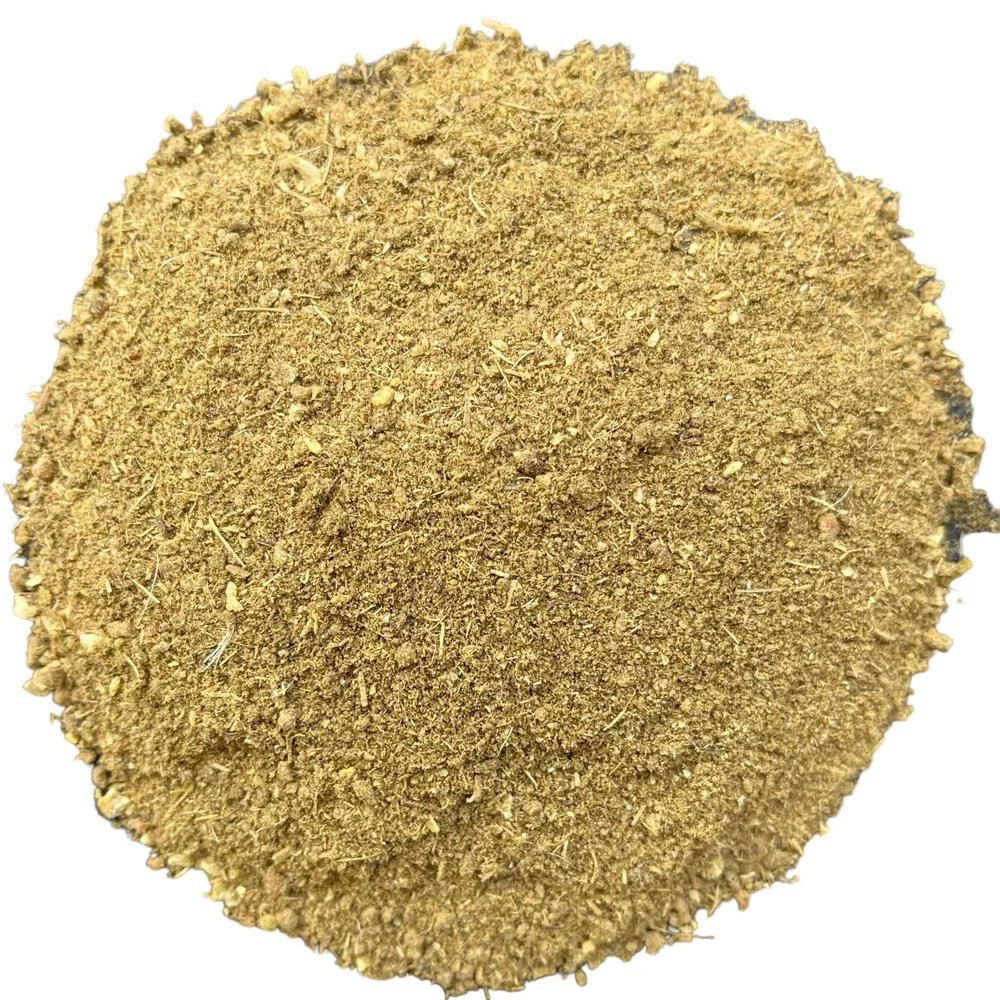

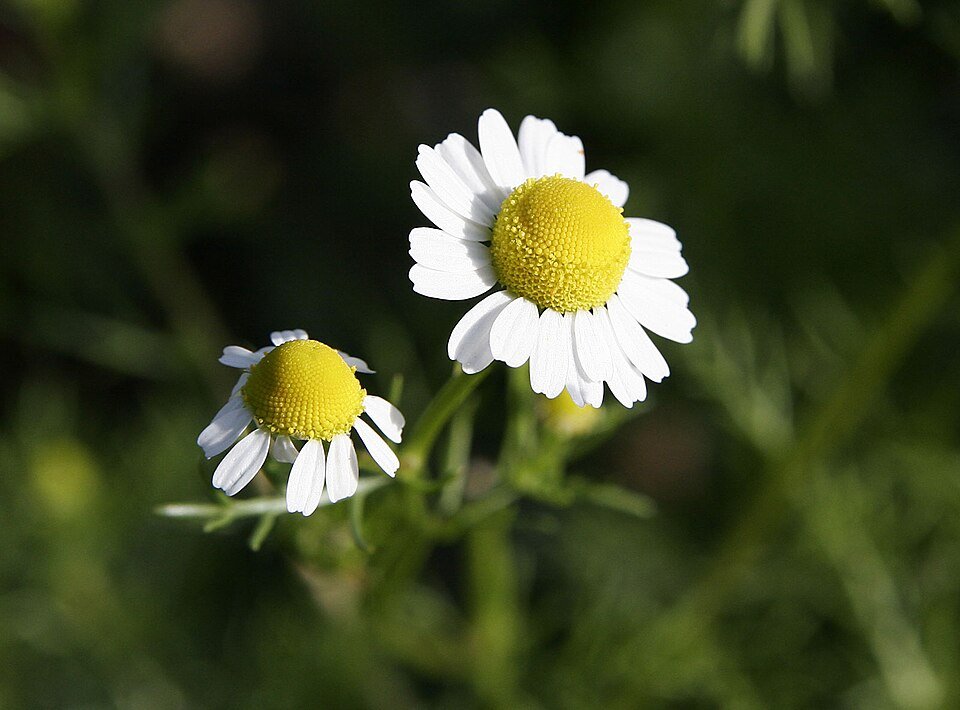








Organic Dried Chamomile from other sellers


Buy Online Wholesale Organic Dried Chamomile from Supplier & Exporter in France
Organic dried chamomile is a versatile botanical ingredient widely used in herbal teas, skincare formulations, and nutraceuticals. Its golden-yellow flowers are carefully harvested and dried to preserve their natural color, aroma, and therapeutic compounds. This grade is prized for its clean appearance, robust fragrance, and balanced flavor profile.
Sourced from certified organic farms in France, this chamomile adheres to strict EU organic standards, ensuring no synthetic pesticides or fertilizers are used during cultivation. The product is naturally gluten-free and suitable for organic product lines, cosmetic applications, and wellness beverages.
Beyond traditional tea use, organic dried chamomile can be processed into extracts, essential oils, or powders for integration into supplements, topical products, or culinary ingredients. Its mild sedative and anti-inflammatory properties make it a popular choice in holistic health and relaxation-focused products.
Import Wholesale Organic Dried Chamomile for Your Business Needs
Best Fit & Nearest Alternatives
Best suited for:
- Herbal tea blends and infusions
- Cosmetic formulations (e.g., face masks, bath soaks)
- Nutraceuticals and dietary supplements
- Aromatherapy and essential oil distillation
Not ideal for:
- High-heat extraction processes (may degrade delicate compounds)
- Applications requiring ultra-fine micronized powders (particle size varies)
This grade offers a balanced aroma and flavor compared to lower-cost conventional chamomile, while being more accessible than premium organic chamomile from Egypt or Argentina. The French origin ensures compliance with EU organic regulations, which may simplify import documentation for some markets.
What Drives the Price
- Harvest season and yield (affects supply availability)
- Certification status (organic vs. conventional)
- Drying method (sun-dried vs. mechanical; sun-dried may command a premium)
- Packaging specifications (e.g., food-grade vs. bulk industrial bags)
Pricing scales with order volume and minimum order quantity (MOQ). Contact suppliers directly to request a price quote tailored to your volume tier. Bulk discounts often apply for orders exceeding 500 kg or 1 metric ton.
Lead Time, Shipping & Returns
- Lead time: Typical lead time ranges from 7-21 days after order confirmation, depending on harvest schedules and order volume. Confirm exact timing with the supplier during negotiations.
- Shipping: Available via ocean freight (most cost-effective for bulk) or air freight (faster but higher cost). Ships as general cargo; palletized options may incur additional fees.
- Returns & defects: Returns for defects are accepted within 7-14 days of delivery, subject to inspection. Suppliers typically require photographic evidence of discrepancies and may issue credit notes or replacements for confirmed quality issues. Inspect goods upon arrival; report any deviations immediately.
Handling & Application Notes
- Store in a cool, dry place away from direct sunlight to preserve aroma and color.
- For tea applications, steep 1-2 grams of dried flowers in 200-250 ml of hot water (80-90°C) for 5-10 minutes.
- In cosmetic formulations, ensure proper saponification or extraction compatibility; chamomile extracts are often preferred for consistent dosing.
About Supplier
Based in Provence, France, Soupin Jean Stephane specializes in the cultivation and export of organic botanicals, with over 15 years of experience in sustainable agriculture and EU organic certification compliance.
The company operates vertically integrated farms and processing facilities, ensuring traceability from seed to shipment. Their organic dried chamomile is cultivated using regenerative practices, supporting soil health and biodiversity.
Supplier Details for Organic Dried Chamomile
- Established - 5 May, 2021
- Business Type - Exporter
- Deals in Product Type - Agriculture Seeds, DAP (Diammonium Phosphate), Fertilizers, Fruit Seeds, Oil Seeds
- Country - France
Frequently Asked Questions (FAQs) on Organic Dried Chamomile
1. What is the typical particle size range for this dried chamomile?
Particle size varies by harvest batch but generally falls between 1-3 cm for whole dried flowers. For applications requiring finer particles, suppliers can provide pre-ground or milled options upon request.
2. Is this chamomile suitable for essential oil extraction?
Yes, this grade is commonly used for steam distillation to produce chamomile essential oil, though the oil yield and profile may vary based on flower quality and extraction method.
3. Can this product be used in certified organic cosmetics?
Yes, provided the supplier can provide a valid EU Organic certificate and the final formulation complies with cosmetic regulations in your target market.
4. What are the recommended storage conditions for bulk orders?
Store in a cool (<25°C), dry environment with low humidity (<60% RH) and minimal light exposure. Use moisture barriers (e.g., inner liners) if storing for extended periods.
5. How is the chamomile dried - sun-dried or mechanically dried?
The drying method is typically sun-drying for premium quality, but suppliers may use mechanical drying for scalability. Confirm the method with the supplier for your specific needs.
6. Are there any known allergens in this product?
Chamomile may trigger allergic reactions in individuals sensitive to plants in the Asteraceae family (e.g., ragweed). Always conduct allergen testing for finished products.
7. Can this chamomile be used in pet food formulations?
Yes, but verify compliance with pet food regulations in your target market (e.g., AAFCO or FEDIAF standards). Ask the supplier for a pet-food-grade declaration if required.
8. What documentation accompanies bulk shipments?
Standard documentation includes a bill of lading, commercial invoice, packing list, organic certificate (if applicable), and COA (Certificate of Analysis) confirming moisture, purity, and microbial limits.
Explore Top Product Categories
- Alcohol Based Hand Sanitizer
- Paper Soap
- Antibacterial Hand Wash
- Cosmetic Kits
- Detergent Chemicals
- Industrial Chemicals
- Laboratory Chemicals
- Leather Chemicals
- Car Accessories
- Motorcycle Parts
- Automobile Brakes Spare Parts
- Motorcycle, Scooters & ATV Bikes
- Building Construction Machineries & Equipments
- Bricks
- Cupboards, Door, Gates, Grills & Windows
- Wall Tiles
- Filters, Water Treatment Plants
- Household Cleaning Products
- Wiping Rags, Mops, Dusters, Sponge, Brushes, Scourer
- Soap & Detergent
- Industrial Gears & Gear Boxes
- Machined Components
- Bolts
- Nuts
- Food Packaging Bags
- Wooden Packaging Boxes
- Offset Printing Machinery & Equipments
- Packaging Machinery
Related Products
Dried Chamomile FlowersPsyllium HuskBasil LeavesLemon GrassLemongrassChinese Herbs For Corona VirusBasic DyesDirect DyesDyes IntermediatesAcid DyesAluminum ChloridePsyllium Husk/powderMoringa Leaves / SticksHoney Aloe Vera GelBeoty Natural Aloe Vera Skin & Hair GelBeoty Natural Aloe Vera Skin & Hair GelCurry LeavesOrganic Ashwagandha PowderCoriander Powder and SeedsMoringa SeedPotatoRosehip Whole DriedRosehips Cut and SiftedRosehip SeedsSt. John's WortCoriander (Powder, Whole)MORINGA
Related Categories
Food ProductsSketching PaperTextured PaperHerbsFood - By ProductsAcacia HoneyAll Purpose FlourApple Cider VinegarArabic GumArabica CoffeeAssam TeaAvocado OilBaby FoodBakery ProductsBalsamic VinegarBee HoneyBeveragesBiscuitsBlack SaltBlack TeaBlack VinegarBreadBuckwheat HoneyButterButter OilCakeCandies