
Quality Yellow Corn
- Estimate pricing$ 200
- AvailabilityIn stock
- Product Type/VarietyYellow dent corn
- GradeFeed grade
- Moisture (%)13 max
- Purity/Admixture (%)2.5 max
Products Description
Protein - 8 to 9% Moisture - 13% Max Admixture - 2.5% Heat damaged kernels - 0.5%max Broken kernels - 3.0% max Total damaged kernels - 3.5% Hectoliter - 68kc min Weight/ Bushel - 54 lbs/bu min Radiation - None Aflatoxin - 20ppb max
Product Categories
Products Specification
- Product Type/VarietyYellow dent corn
- GradeFeed grade
- Moisture (%)13 max
- Purity/Admixture (%)2.5 max
- PackagingBulk road tankers, jumbo bags (1 metric tonne) or 20 - 27 metric tonne holds
- Shelf Life12 months from date of analysis if kept dry and cool
- CertificationsAsk the supplier
- OriginFrance
- MOQ Basis20 metric tonnes bulk, 10 metric tonnes containerized
- HS CodeConfirm with supplier
- Protein (%)8 - 9
- Heat damaged kernels (%)0.5 max
- Broken kernels (%)3.0 max
- Total damaged kernels (%)3.5 max
- Hectoliter (kg/hl)68 min
- Weight / Bushel54 lbs / bu min
- RadiationNone detected
- Aflatoxin (ppb)20 max



Inquire now



More related Products from Seller
Post your requirement – Global Trade Plaza
Other Products from Seller




































































![resources of Rbd Palm Olein [Cp8] exporters](https://img.globaltradeplaza.com/reserve/15598/w2-2.jpg "resources of Rbd Palm Olein [Cp8] exporters")
![resources of Rbd Palm Olein [Cp10] exporters](https://img.globaltradeplaza.com/reserve/18141/w2-2.jpg "resources of Rbd Palm Olein [Cp10] exporters")

































































































































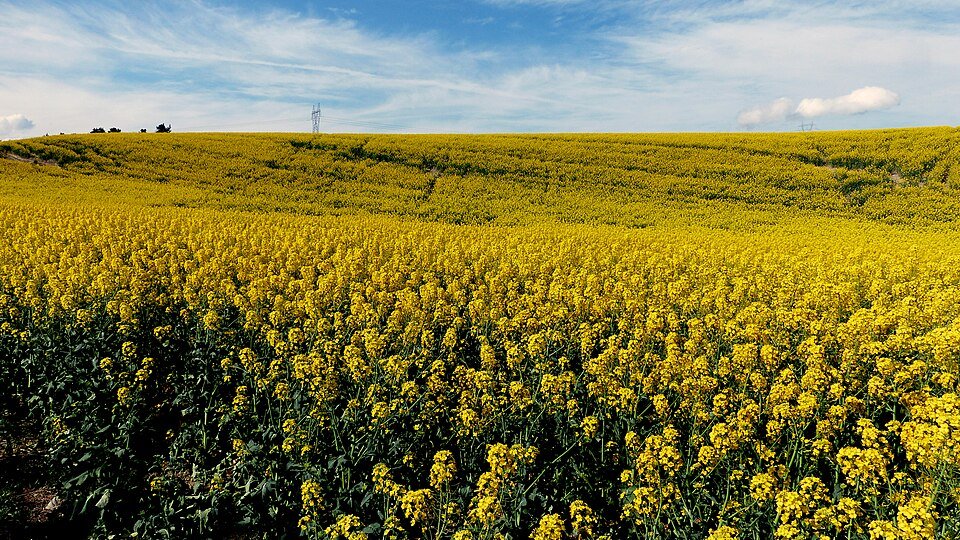







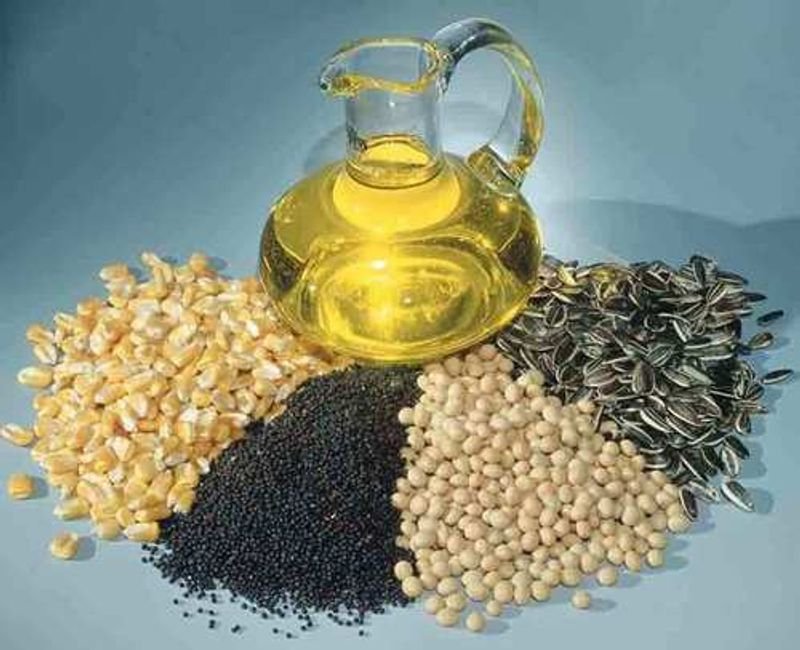






















Quality Yellow Corn from other sellers


Buy Online Wholesale Quality Yellow Corn from Supplier & Exporter in France
Quality yellow corn from France is a reliable feedstock for animal nutrition, biofuel blending, and industrial milling. Sourced from controlled cultivation regions, it delivers consistent nutritional and physical properties suitable for large-scale buyers. Typical end uses include livestock feed formulation, cornmeal, starch extraction, and ethanol production.
Available in bulk truckloads or jumbo bags, this grade is cleaned, dried, and screened to meet feed-industry standards. Moisture is capped at 13% to prevent spoilage during storage or transport, while admixture and damaged-kernel limits keep the lot uniform for processing.
Shipped from certified French silos, the lot undergoes pre-shipment inspection for aflatoxin and radiation to ensure compliance with EU import rules. Buyers can pair this corn with locally sourced protein meals or micronutrients to tailor complete feed rations.
Import Wholesale Quality Yellow Corn for Your Business Needs
Best Fit & Nearest Alternatives
Best suited for:
- Animal feed mills blending rations for poultry, swine, or ruminants
- Industrial starch and corn-oil extraction plants
- Bio-ethanol producers seeking consistent bushel weight
Not ideal for:
- Premium human-grade cornmeal for retail pastry applications
- Organic-certified end products unless paired with organic documentation
This feed-grade corn sits between lower-cost feed corn and higher-spec food-grade corn; it offers a balance of price and quality for bulk processors who do not require the tightest admixture specs.
What Drives the Price
- Harvest timing and regional supply in France
- Cleaning, drying, and storage costs to meet the 13% moisture cap
- Transport mode and distance to the port of discharge
Pricing scales with order volume and minimum order quantity tiers; request a formal quote to obtain current batch-level pricing.
Lead Time, Shipping & Returns
- Lead time: Typical lead time from French silo release to vessel loading is 2 - 3 weeks; confirm exact timing with the supplier once order details are finalized.
- Shipping: Commonly shipped in bulk via ocean freight in 20 - 27 metric tonne lots or in 1 metric tonne jumbo bags via container.
- Returns & defects: Inspection certificates at discharge are the basis for claims; defective lots are subject to supplier-issued credit notes or replacement, subject to their inspection protocol.
Handling & Application Notes
- Store in dry, well-ventilated warehouses to maintain moisture below 13% and prevent mold growth.
- Grind through hammer mills with 3 - 4 mm screens for optimal pelletizing in feed rations.
- Screen incoming lots to remove foreign material before mixing to protect downstream equipment.
About Supplier
Soupin Jean Stephane is a French-based agri-business with over 15 years’ experience exporting maize from Normandy and Brittany. The company operates its own silos and logistics network, enabling direct loading from farm to vessel.
Certified traders under French agricultural export protocols, they provide pre-shipment certificates of analysis and phytosanitary documents for EU and non-EU destinations. Quality control includes aflatoxin and radiation screening on every lot.
Supplier Details for Quality Yellow Corn
- Established - 5 May, 2021
- Business Type - Exporter
- Deals in Product Type - Agriculture Seeds, DAP (Diammonium Phosphate), Fertilizers, Fruit Seeds, Oil Seeds
- Country - France
Frequently Asked Questions (FAQs) on Quality Yellow Corn
1. What is the typical aflatoxin level in this French corn?
Each lot is tested to a maximum of 20 ppb aflatoxin; ask the supplier for the latest certificate of analysis.
2. Is this corn suitable for organic feed production?
No, unless accompanied by an organic certificate issued by an EU-accredited body; this is a conventional feed-grade product.
3. Can I request a non-GMO certificate?
Ask the supplier; documentation is available on request but not held for every lot by default.
4. What is the typical aflatoxin testing method used?
Supplier uses HPLC or ELISA validated methods; confirm the exact method on the latest COA.
5. How should I store bulk shipments to maintain quality?
Maintain moisture below 13% and keep the grain cool and aerated; inspect for heating or insect activity weekly.
6. What documentation accompanies each shipment?
Phytosanitary certificate, certificate of origin, and a full COA covering moisture, admixture, aflatoxin, and radiation.
7. Can the supplier provide fumigation certificates if required by the importer?
Ask the supplier; fumigation is arranged on request and documented with a phytosanitary certificate.
8. Is the corn shipped in containers or bulk vessels?
Both options are available; bulk vessels for 1,000+ tonne parcels and 20-foot containers for smaller lots (typically 20 - 22 metric tonnes).
Explore Top Product Categories
- Alcohol Based Hand Sanitizer
- Paper Soap
- Antibacterial Hand Wash
- Cosmetic Kits
- Detergent Chemicals
- Industrial Chemicals
- Laboratory Chemicals
- Leather Chemicals
- Car Accessories
- Motorcycle Parts
- Automobile Brakes Spare Parts
- Motorcycle, Scooters & ATV Bikes
- Building Construction Machineries & Equipments
- Bricks
- Cupboards, Door, Gates, Grills & Windows
- Wall Tiles
- Filters, Water Treatment Plants
- Household Cleaning Products
- Wiping Rags, Mops, Dusters, Sponge, Brushes, Scourer
- Soap & Detergent
- Industrial Gears & Gear Boxes
- Machined Components
- Bolts
- Nuts
- Food Packaging Bags
- Wooden Packaging Boxes
- Offset Printing Machinery & Equipments
- Packaging Machinery
Related Products
Quality Corn Gluten MealOrganic White CornCorn Oil For CookingBulk Refined Corn Oil.Pure Refined Corn OilQuality Corn StarchPure Corn StarchYellow / White CornCorn OilCorn Gluten MealBrazil Yellow CornYellow CornNon Gmo White And Yellow CornCanned Whole Kernel CornCanned Baby CornEdible Oil - Corn OilExport Quality Organic Corn StarchNative Bio Degradable Corn Starch Corn StarchSunflower And Corn OilFrozen Sweet CornWheatPure Refined Cooking Sunflower Nut & Seed OilCorn Gluten Meal 60% Protein / Wheat Bran / Rice BranYellow corn for animal feed gradeRefined Sunflower OilRefined Corn OilRefined Corn Oil
Related Categories
Food ProductsSketching PaperTextured PaperCornGrains & CerealsFood - By ProductsAcacia HoneyAll Purpose FlourApple Cider VinegarArabic GumArabica CoffeeAssam TeaAvocado OilBaby FoodBakery ProductsBalsamic VinegarBee HoneyBeveragesBiscuitsBlack SaltBlack TeaBlack VinegarBreadBuckwheat HoneyButterButter OilCake