
Whole Powder Milk For Sale
- Estimate pricing$ 450
- AvailabilityIn stock
- Product Type/VarietyWhole Milk Powder
- GradeFood-grade, spray-dried
- Moisture (%)3.9
- Purity/Admixture (%)99.9 (dry basis)
Products Description
Chemical Results: Results: Moisture (%) 3.9 Milk Fat ((%) 26 Ash (%) 7.0 Protein (dry basis %) 100 Lactose (%) 55.2 UDWPN (mg/g) 2.4 Insolubility Index (mL) 1.0 Acidity (%) 0.10 Bulk Density (g/mL) 0.685 Scorched Particles Standard A pH (50 g/l water at 20 Degrees C) 6.59 Micro Results: Results: Antibiotics Negative Phosphatase (ug/ml) Salmonella (per 375 g) Not Detected Coliforms (per 0.1g @ 30 Degrees C) Absent Standard Plate Count Moulds (per g) Yeast (per g) Thermophilic Bacteria (per g) 150 Thermophilic Spores (per g) Mesophilic Spores (per g) 60 Thermoduric Bacteria (per g) 250
Product Categories
Products Specification
- Product Type/VarietyWhole Milk Powder
- GradeFood-grade, spray-dried
- Moisture (%)3.9
- Purity/Admixture (%)99.9 (dry basis)
- Milk Fat (%)26
- Ash (%)7.0
- Protein (dry basis %)26
- Lactose (%)55.2
- UDWPN (mg/g)2.4
- Insolubility Index (mL)1.0
- Acidity (%)0.10
- Bulk Density (g/mL)0.685
- Scorched ParticlesStandard A
- pH (50 g/l water at 20°C)6.59
- AntibioticsNegative
- Phosphatase (µg/ml)Not Detected
- Salmonella (per 375 g)Not Detected
- Coliforms (per 0.1g @ 30°C)Absent
- Standard Plate Count (per g)Confirm with supplier
- Moulds (per g)Confirm with supplier
- Yeast (per g)Confirm with supplier
- Thermophilic Bacteria (per g)150
- Thermophilic Spores (per g)Confirm with supplier
- Mesophilic Spores (per g)60
- Thermoduric Bacteria (per g)250
- PackagingFood-grade multi-layer bags (25 kg) or drums (200 kg)
- Shelf Life12 months from production when stored as directed
- Certificationsask the supplier
- OriginFrance
- MOQ Basis25 kg bag or 200 kg drum
- HS Code0402 21 00
- Fat Stability EnhancerNitrogen flushing available
- Solubility Test≤1.0 mL insolubility index
- Acidity ControlpH 6.5 - 6.7



Inquire now
Related Products




More related Products from Seller





Post your requirement – Global Trade Plaza
Other Products from Seller




































































![resources of Rbd Palm Olein [Cp8] exporters](https://img.globaltradeplaza.com/reserve/15598/w2-2.jpg "resources of Rbd Palm Olein [Cp8] exporters")
![resources of Rbd Palm Olein [Cp10] exporters](https://img.globaltradeplaza.com/reserve/18141/w2-2.jpg "resources of Rbd Palm Olein [Cp10] exporters")






















































































































































More Whole Powder Milk For Sale from Category










Whole Powder Milk For Sale from other sellers


Buy Online Wholesale Whole Powder Milk For Sale from Supplier & Exporter in France
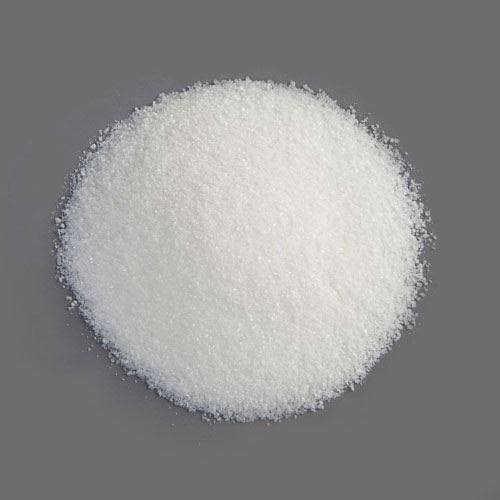
Whole powder milk is a shelf-stable dairy product produced by evaporating milk to dryness, retaining natural milk fat and proteins. It is widely used in food manufacturing, bakery, confectionery, and ready-to-drink beverages for consistent flavor, texture, and nutrition. The product maintains high solubility and dispersibility, making it suitable for dry blending or reconstitution.
Sourced from dairy farms in France, this whole powder milk meets stringent EU dairy standards and undergoes controlled processing to preserve nutritional value and functional properties. It is typically packaged in food-grade bags or drums to protect against moisture and contamination during storage and transit.
Not ideal for applications requiring ultra-low moisture or high heat stability, such as long-shelf-life dry mixes exposed to high humidity. For such uses, consider fat-reduced or instantized grades with lower moisture and improved flow characteristics.
Import Wholesale Whole Powder Milk For Sale for Your Business Needs
Best Fit & Nearest Alternatives
Best suited for:
- Confectionery and chocolate production
- Bakery and pastry fillings
- Instant beverage powders and nutritional shakes
- Sauces and soups requiring dairy base
- Infant formula and dietary supplements
Not ideal for:
- Ultra-dry environments where moisture pickup must be minimized
- High-temperature extrusion processes where fat oxidation is a concern
- Products requiring extended ambient storage without refrigeration in tropical climates
Compared to skim milk powder, whole powder milk offers higher fat content for richer mouthfeel and energy density, but has shorter shelf life due to fat oxidation. Skim powder is better for low-fat formulations and longer storage stability.
What Drives the Price
- Raw milk commodity prices and seasonal availability
- Processing method (spray-dried vs. roller-dried)
- Fat content and protein profile
- Certification requirements (e.g., organic, non-GMO)
- Packaging type and volume (bulk vs. retail-ready)
Pricing scales with minimum order quantity and volume tiers. Request a quote based on your projected usage to receive tiered pricing.
Lead Time, Shipping & Returns
- Lead time: Typically 2 - 4 weeks after order confirmation, subject to supplier capacity and seasonal demand. Confirm with supplier for current lead times.
- Shipping: Available via sea freight (most cost-effective for bulk), air freight (for urgent small lots), and road transport (within EU). Ensure temperature-controlled storage during transit if ambient conditions exceed 25°C.
- Returns & defects: Defective or contaminated lots may be returned within 30 days of delivery with prior supplier approval. Inspect goods upon receipt; report discrepancies within 7 days. All returns require sanitary certification and original packaging.
Handling & Application Notes
- Store in cool, dry conditions below 20°C and below 60% relative humidity to prevent fat oxidation and caking.
- Rehydrate at 40 - 50°C with gentle agitation to maintain solubility and avoid protein denaturation.
- In high-fat applications, consider nitrogen flushing during packaging to extend shelf life.
About Supplier
Soupin Jean Stephane is a French-based dairy exporter with over 15 years in bulk powdered milk supply. Operations include spray-drying facilities in Normandy and dedicated logistics for EU and international markets.
The supplier holds EU dairy processing and hygiene certifications and sources from EU-approved dairy farms. All products undergo HACCP-based quality control and microbial testing before shipment.
Supplier Details for Whole Powder Milk For Sale
- Established - 5 May, 2021
- Business Type - Exporter
- Deals in Product Type - Agriculture Seeds, DAP (Diammonium Phosphate), Fertilizers, Fruit Seeds, Oil Seeds
- Country - France
Frequently Asked Questions (FAQs) on Whole Powder Milk For Sale
1. What is the typical moisture content of this whole milk powder?
The moisture content is approximately 3.9%, which balances shelf stability with rehydration performance.
2. Is this product suitable for infant formula production?
While it meets general food-grade standards, infant formula requires stricter specifications (e.g., lower bacteria counts, specific protein ratios). Confirm with supplier for compliance.
3. Can the fat content be adjusted or customized?
Yes, fat levels can be tailored via processing adjustments. Discuss your target fat percentage with the supplier during inquiry.
4. How should I store this powder to prevent oxidation?
Store below 20°C and 60% humidity, away from light and strong odors. Consider vacuum-sealed or nitrogen-flushed packaging for extended storage.
5. What is the expected shelf life under ideal conditions?
When stored in original sealed packaging under recommended conditions, shelf life is approximately 12 months from production.
6. Is this powder suitable for high-temperature baking processes?
Yes, but prolonged exposure to high heat may reduce solubility. Test in small batches and consider adding stabilizers if needed.
7. Does this product meet EU hygiene regulations for dairy?
The supplier operates under EU dairy hygiene and processing standards. Ask the supplier for current certification documents.
8. Can I get a sample before placing a bulk order?
Yes, samples are typically available for evaluation. Request a sample and specify your intended use to ensure compatibility.
Explore Top Product Categories
- Alcohol Based Hand Sanitizer
- Paper Soap
- Antibacterial Hand Wash
- Cosmetic Kits
- Detergent Chemicals
- Industrial Chemicals
- Laboratory Chemicals
- Leather Chemicals
- Car Accessories
- Motorcycle Parts
- Automobile Brakes Spare Parts
- Motorcycle, Scooters & ATV Bikes
- Building Construction Machineries & Equipments
- Bricks
- Cupboards, Door, Gates, Grills & Windows
- Wall Tiles
- Filters, Water Treatment Plants
- Household Cleaning Products
- Wiping Rags, Mops, Dusters, Sponge, Brushes, Scourer
- Soap & Detergent
- Industrial Gears & Gear Boxes
- Machined Components
- Bolts
- Nuts
- Food Packaging Bags
- Wooden Packaging Boxes
- Offset Printing Machinery & Equipments
- Packaging Machinery
Related Products
Skimmed Milk PowderPure Full Cream Powder MilkRed Cap Nestle Nido Milk PowderNestle Nido Milk PowderWhole Milk PowderInstant Replacer Of Full Cream Milk PowderMilk Powder Replacer For Animal ConsumptionAptamil Baby Formula ProfuturaFull Cream Milk Powder For SaleWhole Milk PowderDairy ProductsNestle Milo UhtClevo Pet 125 Ml Uht Flavored MilkIndomilk UhtGreenfields Uht MilkNestle Dancow Uht MilkNestle Nutren Nutritional MilkNestle Milo Chocolate Milk PowderDiamond Uht MilkUltra Milk Uht Flavored MilkUltra Milk Uht Milk Tetra Pak Full CreamTeh Kotak Tetra Pak Tea UhtOvaltine Uht MilkIndomilk Uht Milk 190 Ml TetrapakNutri Sari Healthy Fruit Powder DrinkNestle DanstartNestle Dancow Milk Powder
Related Categories
Food ProductsSketching PaperTextured PaperProcessed FoodDairy & Milk ProductsMilk & Milk ProductsMilk PowderFood - By ProductsAcacia HoneyAll Purpose FlourApple Cider VinegarArabic GumArabica CoffeeAssam TeaAvocado OilBaby FoodBakery ProductsBalsamic VinegarBee HoneyBeveragesBiscuitsBlack SaltBlack TeaBlack VinegarBreadBuckwheat HoneyButter