Titanium Tetrachloride
- Port of dispatchCanada
- Estimate pricing$ 25 – $ 450Est. category range
- AvailabilityIn stock
- Type/ModelTitanium Tetrachloride (TiCl4)
- MaterialInorganic compound
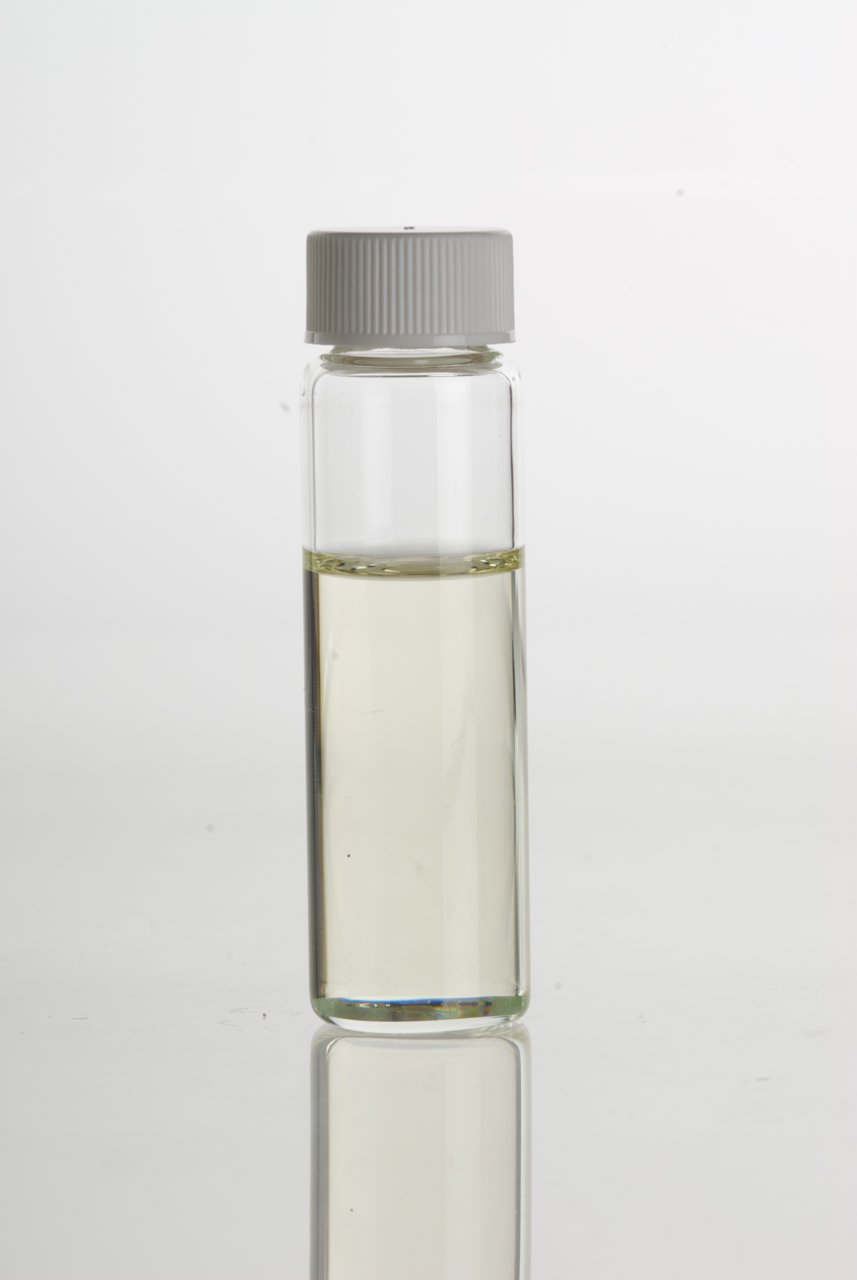
- Color/FinishClear to pale yellow liquid
- CustomizationAvailable in technical and industrial grades
Products Description
CAS:7550-45-0 HS:2827399000 Titanium tetrachloride is the inorganic compound with the formula TiCl4. It is an important intermediate in the production of titanium metal and the pigment titanium dioxide. TiCl4 is a volatile liquid. TiCl4 is soluble in toluene and chlorocarbons. APPLICATION Titanium Tetrachloride is widely used in Production of metal titanium, titanium dichloride,organic titanium compounds,titanate and smog bomb;important composition of producing acryl and ethylene catalyst.
Product Categories
Products Specification
- Type/ModelTitanium Tetrachloride (TiCl4)
- MaterialInorganic compound
- Key DimensionsConfirm with supplier
- Color/FinishClear to pale yellow liquid
- CustomizationAvailable in technical and industrial grades
- PackagingCorrosive-resistant steel drums or ISO tanks
- MOQ BasisPer drum or container load; volume-based tiers
- CertificationsAsk the supplier
- Country of OriginCanada
- HS Code2827.39.9000
- CAS Number7550-45-0
- Reactivity ClassHighly reactive with water and air
- SolubilitySoluble in toluene and chlorocarbons



Inquire now
Related Products



Post your requirement – Global Trade Plaza
Other Products from Seller





































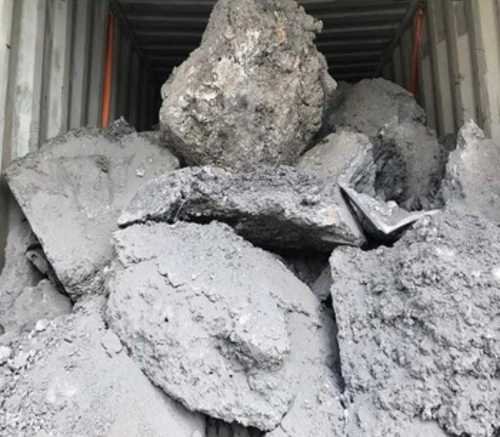
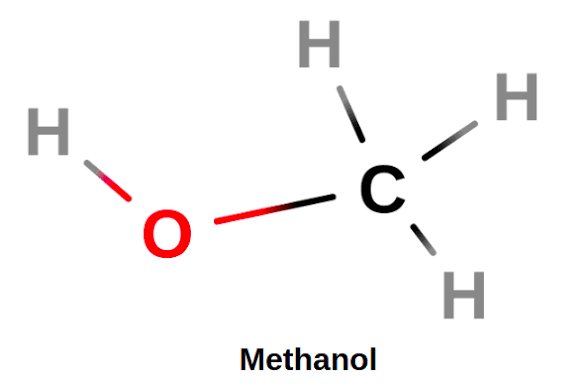

































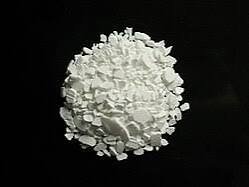
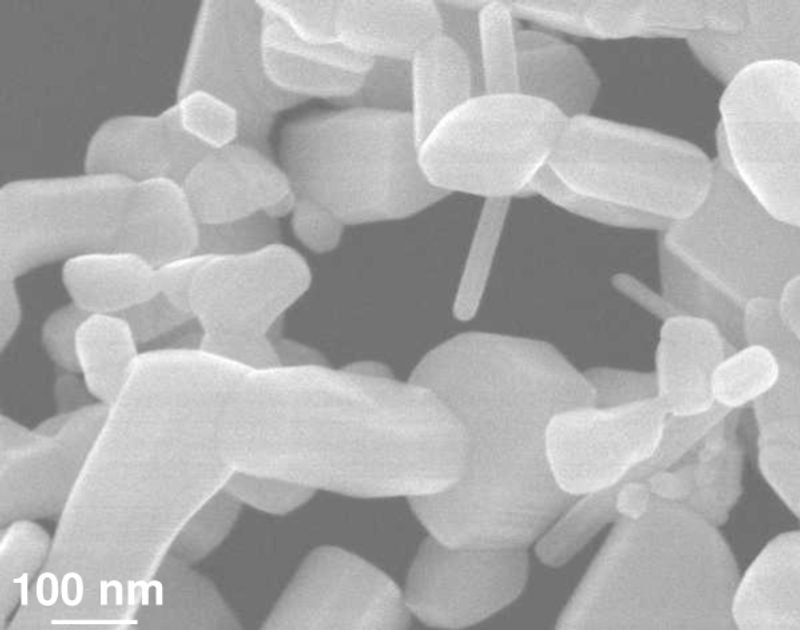
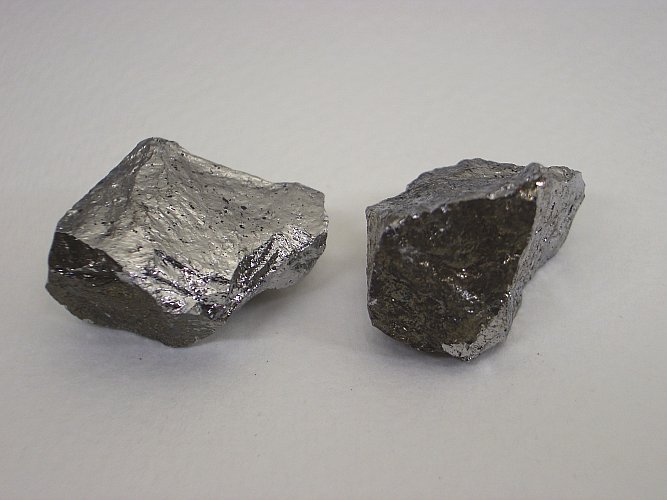

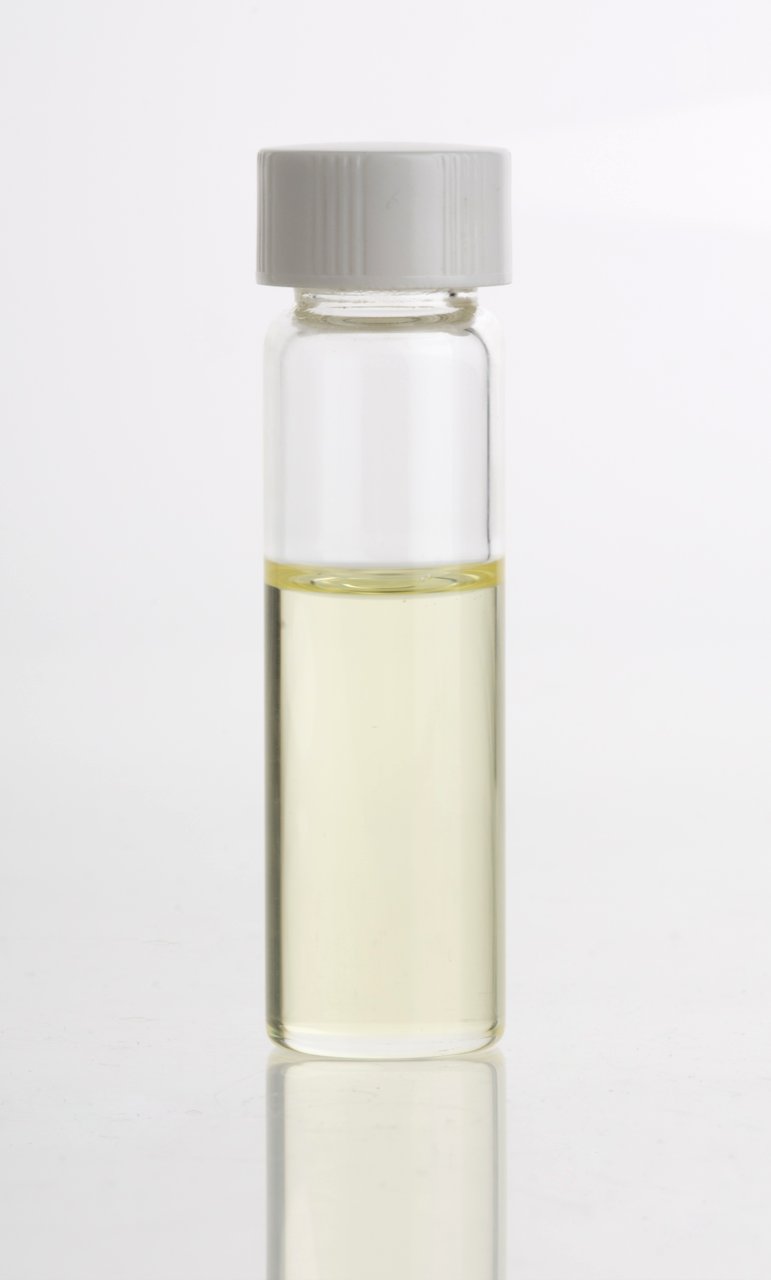








































































































































































Titanium Tetrachloride from other sellers


Buy Online Wholesale Titanium Tetrachloride from Supplier & Exporter in Canada
Titanium tetrachloride (TiCl4) is an inorganic compound used as a critical intermediate in the production of titanium metal and titanium dioxide pigments. As a volatile liquid, it requires careful handling and storage due to its reactivity with moisture and air.
This chemical is widely utilized in industrial processes for manufacturing acrylics and ethylene catalysts, as well as in the production of organic titanium compounds and smog-generating compositions. Its solubility in toluene and chlorocarbons makes it suitable for specialized chemical applications.
Sourced directly from Canadian exporters, this product is ideal for businesses in metal finishing, pigment production, and specialty chemical manufacturing. Always ensure proper ventilation and chemical-resistant containment when handling.
Import Wholesale Titanium Tetrachloride for Your Business Needs
Best Fit & Nearest Alternatives
Best suited for:
- Production of titanium metal and titanium dioxide pigments
- Manufacturing organic titanium compounds and titanate
- Use as a catalyst in acryl and ethylene polymerization
Not ideal for:
- Applications requiring non-volatile or solid titanium sources
- End-use products requiring direct consumer handling
Compared to titanium dioxide powder, TiCl4 offers higher reactivity and solubility in organic solvents, but requires specialized handling infrastructure. For solid titanium sources, consider titanium sponge or dioxide alternatives.
What Drives the Price
- Purity level and impurity profile
- Packaging specifications (corrosive-resistant drums vs. specialized containers)
- Volume commitment and long-term supply agreements
Pricing scales with order volume and minimum order quantity tiers. Request a formal quote for precise tiered pricing based on your annual usage.
Lead Time, Shipping & Returns
- Lead time: Typical lead time ranges from 2 to 6 weeks, subject to customs clearance and supplier capacity. Confirm with supplier during quote stage.
- Shipping: Available via ocean freight (full container load) and air cargo for smaller quantities. Requires IMDG or IATA-compliant packaging and labeling.
- Returns & defects: Defective shipments are accepted only upon pre-approved inspection and supplier authorization. Claims must be filed within 7 days of receipt with documented evidence of deviation from specification.
Handling & Application Notes
- Store in a cool, dry, well-ventilated area away from moisture and incompatible materials like water or alcohols.
- Use chemical-resistant gloves, goggles, and face shields during transfer and handling due to corrosive and fuming properties.
- Dispose of waste in accordance with local hazardous chemical regulations and supplier-recommended protocols.
About Supplier
BMD Materials operates as a specialized inorganic chemical exporter based in Canada, supplying industrial-grade titanium tetrachloride to global manufacturers in metal production, pigments, and specialty chemicals.
With a focus on hazardous chemical logistics and regulatory compliance, they provide technical support and handling guidance to ensure safe transportation and use. Certifications and compliance documentation are available upon request.
Supplier Details for Titanium Tetrachloride
- Established - 12 Jun, 2025
- Business Type - Exporter
- Deals in Product Type - Industrial Chemicals - Inorganic Compounds
- Country - Canada
Frequently Asked Questions (FAQs) on Titanium Tetrachloride
1. What industries commonly use titanium tetrachloride?
It is widely used in titanium metal production, titanium dioxide pigment manufacturing, and as a catalyst in polymerization processes such as acrylics and ethylene.
2. Is titanium tetrachloride compatible with plastic containers?
No. It reacts with many plastics and organic materials. Only use corrosive-resistant stainless steel or glass-lined containers.
3. Can this chemical be shipped by air?
Yes, but only in compliance with IATA Dangerous Goods Regulations and using approved packaging and labeling. Confirm with supplier for air freight availability.
4. What are the primary hazards of titanium tetrachloride?
It is highly corrosive, fuming, and reacts violently with water, producing toxic hydrogen chloride gas and heat.
5. How should waste from TiCl4 handling be disposed of?
Waste must be neutralized and treated according to local hazardous waste regulations. Always follow supplier-recommended disposal protocols and consult a licensed hazardous waste handler.
6. Is a fuming hood required for handling?
Yes. Due to its volatile and corrosive fumes, use in a well-ventilated area or chemical fume hood with appropriate PPE.
7. What documentation accompanies each shipment?
Each shipment includes a safety data sheet (SDS), bill of lading, and certificate of analysis (CoA) upon request. Ask the supplier for full compliance documentation.
8. Can TiCl4 be used in electronics manufacturing?
It is not typically used directly in electronics, but may appear as a precursor in specialized chemical vapor deposition processes for thin-film coatings.
Explore Top Product Categories
- Alcohol Based Hand Sanitizer
- Paper Soap
- Antibacterial Hand Wash
- Cosmetic Kits
- Detergent Chemicals
- Industrial Chemicals
- Laboratory Chemicals
- Leather Chemicals
- Car Accessories
- Motorcycle Parts
- Automobile Brakes Spare Parts
- Motorcycle, Scooters & ATV Bikes
- Building Construction Machineries & Equipments
- Bricks
- Cupboards, Door, Gates, Grills & Windows
- Wall Tiles
- Filters, Water Treatment Plants
- Household Cleaning Products
- Wiping Rags, Mops, Dusters, Sponge, Brushes, Scourer
- Soap & Detergent
- Industrial Gears & Gear Boxes
- Machined Components
- Bolts
- Nuts
- Food Packaging Bags
- Wooden Packaging Boxes
- Offset Printing Machinery & Equipments
- Packaging Machinery
Related Products
Titanium fastenerTitanium boltTitanium foilTitanium platesTitanium ring with 3 carved lines on one sideTitanium optical frameTitanium framePlatinized titanium anodesMMO titanium anodeTitanium screw thread tubeTitanium tankTitanium tubeTitanium ingotTitanium forcepsTitanium gr1 gr2 spiral coilTitanium forging square barTitanium welded pipeTitanium based alloy tubes and pipesTitaniumSeamless titanium tubeHigh titanium slagTitanium alloyColored titanium ceramic knifeTitanium ion necklaceTitaniumTitaniumTitanium bar
Related Categories
TitaniumAluminium AlloyAluminium AshAluminium BallsAluminium BilletsAluminium Boring ScrapAluminium Bronze ScrapAluminium Cable ScrapAluminium Can ScrapAluminium Casting ScrapAluminium Coil ScrapAluminium DrossAluminium ExtrusionAluminium Extrusion ScrapAluminium Foil ScrapAluminium Plates ScrapAluminium PowderAluminium Radiator ScrapAluminium ScrapAluminium Shredded ScrapAluminium Tense ScrapAluminium UBC ScrapAluminium Wheel ScrapAluminium Wire ScrapAluminumAluminum BarsAluminum Caps