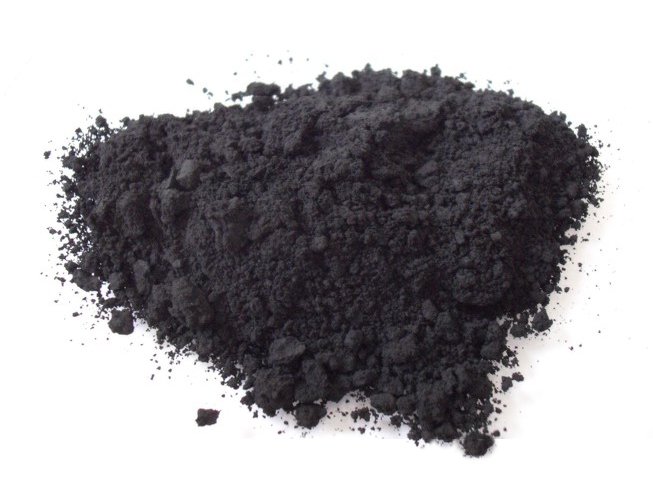
Wood based activated carbon for wine refine
- Port of dispatchChina
- Estimate pricing$ 4.97 – $ 1000Est. category range
- AvailabilityIn stock
- Type/ModelPhosphoric acid wood-based activated carbon
- MaterialWood (softwood or hardwood) activated with food-grade phosphoric acid
- Key DimensionsPowder; 200 mesh or 325 mesh
- Color/FinishBlack granular powder
Products Description
Phosphoric acid wood based activated carbon for wine purification 1.Production process 1.Choosing raw material 2.Sieving the raw material 3.Drying 4.Adding the food grade phosphoric acid solution and catalyst 5.Carbonized and activation 6.Testing 7.Acid washing 8.Water washing 9.Testing 10.Drying and crushing 11.Packing 2.Specification Methylene blue decoloration: 20ml/0.1g 300mg/g Caramel decolorizing: 140% Specific surface area: 1350m2/g Iron content: 200ppm Ash content: 3% Moisture content: 10% Mesh size: 200 mesh or 325 mesh More information and latest price please contact ann free. Or call me :0086-13767188564 20kg/bag 10tons/20"fcl 20tons/40"gp
Product Categories
Products Specification
- Type/ModelPhosphoric acid wood-based activated carbon
- MaterialWood (softwood or hardwood) activated with food-grade phosphoric acid
- Key DimensionsPowder; 200 mesh or 325 mesh
- Color/FinishBlack granular powder
- CustomizationAvailable in 200 or 325 mesh; particle size customization possible on request
- Packaging25 kg or 500 kg woven bags with inner PE liner
- MOQ BasisPer shipment (e.g., 200 kg for 25 kg bags, 1 metric ton for 500 kg bags)
- CertificationsAsk the supplier for food-grade compliance documentation (e.g., FDA 21 CFR, EU Regulation 1333/2008)
- Country of OriginChina
- HS CodeAsk the supplier
- Methylene Blue Decoloration≥300 mg/g
- Caramel Decolorizing≥140%
- Specific Surface Area≥1350 m²/g
- Iron Content≤200 ppm
- Ash Content≤3%
- Moisture Content≤10%


Inquire now
Related Products
Post your requirement – Global Trade Plaza


More Wood based activated carbon for wine refine from Category










Wood based activated carbon for wine refine from other sellers





Buy Online Wholesale Wood based activated carbon for wine refine from Supplier & Exporter in China
This wood-based activated carbon is engineered for wine refinement, using a phosphoric-acid activation process to achieve high adsorption capacity. Its food-grade formulation meets stringent purity standards required in beverage processing.
The material undergoes multiple stages of washing and testing to ensure low ash, iron, and moisture levels, reducing the risk of off-flavors or cloudiness in finished wines. It is available in 200 or 325 mesh for fine filtration.
Typical applications include color reduction, removal of off-odors, and improvement of clarity in white and red wines during clarification or aging.
Import Wholesale Wood based activated carbon for wine refine for Your Business Needs
Best Fit & Nearest Alternatives
Best suited for:
- Wine producers seeking high-efficiency decolorization and purification
- Wineries standardizing color consistency across batches
- Facilities needing low-iron, low-ash carbon for beverage-grade compliance
Not ideal for:
- Applications requiring very large pore volumes for heavy molecular adsorption
- Processes where ultra-low moisture content (<5%) is mandatory without re-drying
- High-temperature regeneration systems (this grade is optimized for single-use or low-temperature regeneration)
Compared to coal-based activated carbon, this wood-based grade offers higher specific surface area and lower ash content, improving clarity and reducing filtration time. It is less suited for gas-phase applications than coconut-shell carbon.
What Drives the Price
- Mesh size (200 vs 325 mesh) - finer mesh typically costs more due to energy and sieving requirements
- Volume and consistency of order (bulk shipments reduce per-unit cost via tiered pricing)
- Certification status (food-grade compliance may affect cost depending on audit requirements)
Pricing is tiered by MOQ and volume; request a quote for your exact specifications. Cost per unit decreases significantly at higher volumes due to economies of scale.
Lead Time, Shipping & Returns
- Lead time: Typical lead time is 15 - 30 days after order confirmation, subject to raw material availability and final testing. Confirm with supplier for exact scheduling.
- Shipping: Standard modes include sea freight (FCL/LCL) for bulk orders and air freight for smaller urgent shipments. Packaging is designed to prevent moisture ingress during transit.
- Returns & defects: Defective or off-spec material may be returned within 7 - 14 days of receipt, subject to supplier inspection. Buyers should conduct a small-scale trial before full-scale use to verify performance.
Handling & Application Notes
- Store in a dry, odor-free environment to prevent re-adsorption of moisture or volatiles; reseal opened bags immediately.
- Use in slurry form for optimal contact time; dosage typically ranges from 0.1 - 1.0 g/L depending on wine type and color intensity.
- Post-treatment filtration is recommended to remove fines; integrate a 5 - 10 micron pre-filter to protect downstream equipment.
About Supplier
Ganzhou Eastern Dragon Factory is a manufacturer specializing in activated carbon for food and beverage applications. With over 15 years of experience, the company produces wood-based carbon using a controlled phosphoric-acid activation process.
Their facility includes in-house testing for methylene blue decoloration, surface area, and heavy metal content. They export globally and can provide third-party lab reports upon request.
Supplier Details for Wood based activated carbon for wine refine
- Established - 13 Jun, 2025
- Business Type - Manufacturer
- Deals in Product Type - Industrial Chemicals - Adsorbents
- Country - China
Frequently Asked Questions (FAQs) on Wood based activated carbon for wine refine
1. What is the typical dosage for wine clarification?
Dosage varies by wine type and color intensity; start with 0.2 - 0.5 g/L and adjust based on lab trial results. Confirm with supplier for target application guidance.
2. Can this carbon be regenerated?
Yes, but regeneration efficiency depends on process conditions. Confirm with supplier for recommended regeneration parameters and expected performance recovery.
3. Is this product suitable for organic wine production?
It is food-grade and compliant with major beverage regulations, but organic certification depends on the entire production chain. Ask the supplier for organic documentation if required.
4. How should the carbon be stored?
Store in a sealed, moisture-free environment away from strong odors. Use within 24 months of production date for optimal performance.
5. Does the supplier offer samples?
Yes, small samples (100 - 500 g) are available for pilot testing. Shipping costs are typically borne by the buyer.
6. What is the typical moisture content after opening?
Moisture pickup depends on handling; reseal bags immediately and use within 30 days of opening to maintain ≤10% moisture.
7. Is this carbon compatible with cross-flow filtration systems?
Yes, it is designed for slurry dosing or fixed-bed filtration. Confirm with supplier for system-specific compatibility and flow rate recommendations.
8. Can the mesh size be adjusted for specialty applications?
Yes, 100 - 400 mesh options are available on request. Finer mesh improves adsorption kinetics but may increase pressure drop in filtration systems.
Explore Top Product Categories
- Alcohol Based Hand Sanitizer
- Paper Soap
- Antibacterial Hand Wash
- Cosmetic Kits
- Detergent Chemicals
- Industrial Chemicals
- Laboratory Chemicals
- Leather Chemicals
- Car Accessories
- Motorcycle Parts
- Automobile Brakes Spare Parts
- Motorcycle, Scooters & ATV Bikes
- Building Construction Machineries & Equipments
- Bricks
- Cupboards, Door, Gates, Grills & Windows
- Wall Tiles
- Filters, Water Treatment Plants
- Household Cleaning Products
- Wiping Rags, Mops, Dusters, Sponge, Brushes, Scourer
- Soap & Detergent
- Industrial Gears & Gear Boxes
- Machined Components
- Bolts
- Nuts
- Food Packaging Bags
- Wooden Packaging Boxes
- Offset Printing Machinery & Equipments
- Packaging Machinery
Related Products
Powder wood based activated carbon for MSGWood activated carbon for alcohol purificationHydraulic carbon steel elbow pushing machineActivated carbonGraphited petroleum cokeCarbon bicycle wheelLarge diameter carbon steel seamless tubeApi 5l psl1 carbon seamless line pipeCarbon steel seamless pipePU palm coated antistatic carbon gloveCarbon steel pipeCarbon fiber front fender for mv agusta brutaleCarbon fiber paddleCarbon steel bw elbow jis2311Carbon dioxideCarbon Steel Seamless Pipe,Carbon Steel SeamlessInjection series activated carbonCarbon blackCarbon blackCarbon monoxideCarbon film resistorCarbon steelActivated carbonHigh carbon steel wireCarbon & alloy steelsHard Drawn Low Carbon Wire/Nail WireCarbon black
Related Categories
CarbonBitumen, AsphaltCrude OilLPG, LNG & CNGLubricantsOil Field Machinery & EquipmentsPetrochemicalsPetroleum By ProductsPetroleum, Oil & Related ProductsJute Raw Material & MachineryCoir FibersCoir MachineryCoir MatChemicals & Allied ProductsAcetic Acid (Vinegar)Adhesive, Sealants & LubricantsAgricultural ChemicalsPackaging ProductsAcrylic BoxesAir Bubble BagsAluminium ContainersIndustrial SuppliesAbrasivesAnchorsBattery ScrapsIndustrial MachineryCNC Machines & Spare Parts