Petroleum & Energy trade hub: live demand & world prices →
Best online B2B marketplace for Petroleum By Products Suppliers & Buyers
Browse Petroleum By Products product listings on Global Trade Plaza, a B2B marketplace where importers and wholesale buyers connect with sellers, post their buying requirements and trade directly.
258 suppliers list Petroleum By Products on Global Trade Plaza, including companies in China, United Arab Emirates and United Kingdom. Buyers have posted 393 Petroleum By Products buy requirements here, 167 of them in the last 12 months; the latest on 4 Nov 2026.
Basic member


Dear Buyer/Buyer Mandate D2 ,D6, EN590, LCO, PET COKE, GAZOLINE, MAZUT.....show more
- Origin - Kazakhstan
- MOQ - 1000 pieces
- Type - Trader | Distributor | Reseller | Service Provider | Suppliers
- Payment - T/T | D/A | L/C | D/P
- Price - 600
(0.0)
 60 Points
 United States

Business type -Trader | Distributor | Reseller | Service Provider | Suppliers
Basic member
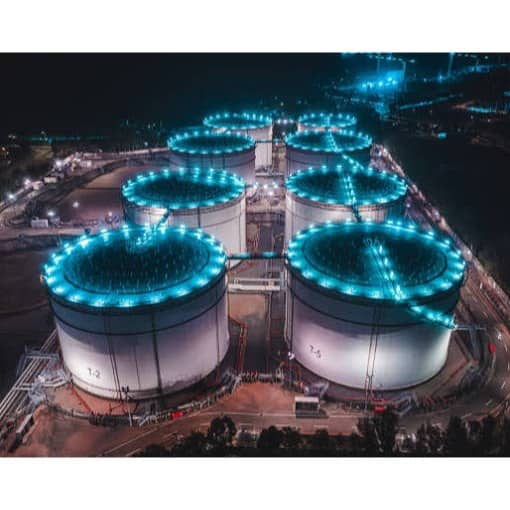
To Prospective Client The Global Tank Storage lease procedure involves.....show more
- Origin - United States
- MOQ - 1000 pieces
- Type - Suppliers
- Payment - T/T
- Price - 0.65
Basic member
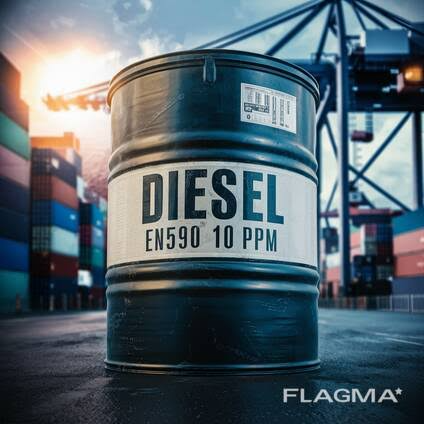
Diesel Fuel EN590 is a high-quality automotive diesel fuel manufacture.....show more
- Origin - Kazakhstan
- MOQ - 1000 pieces
- Type - Suppliers
- Payment - T/T
- Price - 480
 Kazakhstan
Basic member
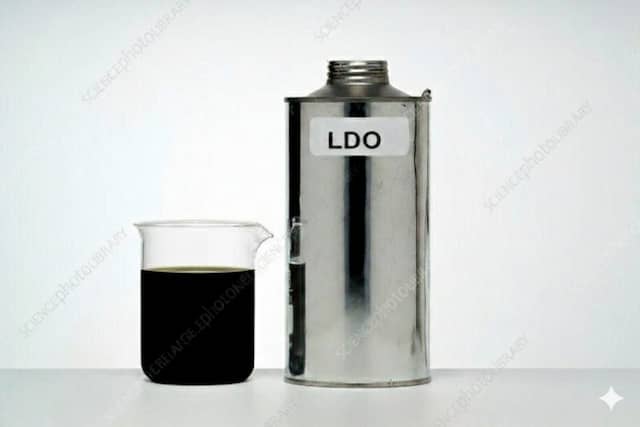
DIESEL GAS OIL (D2) AVAILABLE Remington Oil & Gas Corp offers export-.....show more
- Origin - United States
- MOQ - 1000 pieces
- Type - Manufacturer | Suppliers | Distributor
- Payment - T/T | L/C
- Price - 400.00
(0.0)
- 480 Points
- United States
Business type -Manufacturer | Suppliers | Distributor
Basic member
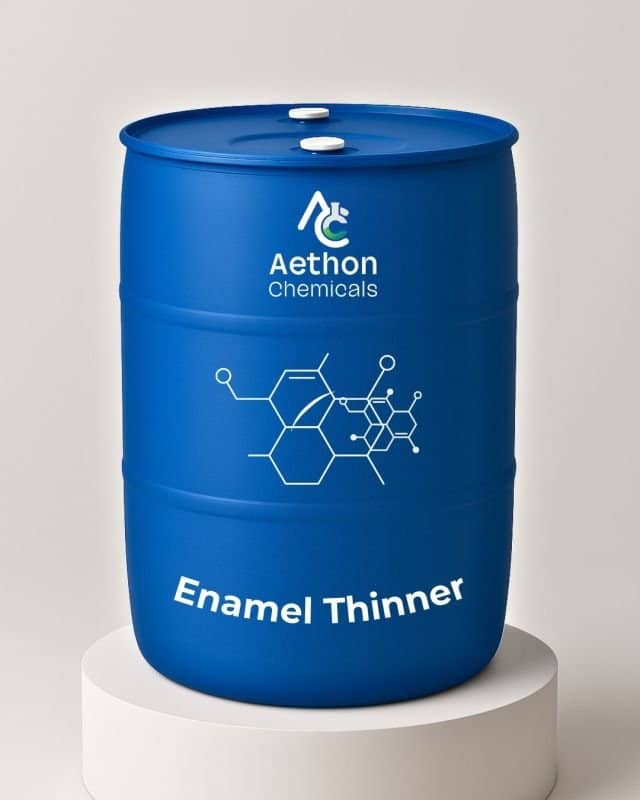
White Spirit, also known as Mineral Spirits, is a clear, colorless pet.....show more
- Origin - Not-available
- MOQ - 1000 pieces
- Type - Not-available
- Payment - Not-available
- Price - 750750
 Canada
Basic member
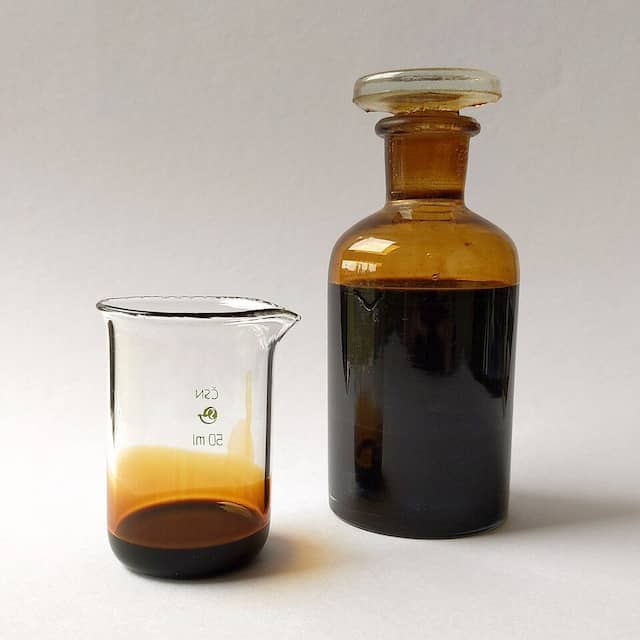
By further developing our business model, we intend to establish a sus.....show more
- Origin - Not-available
- MOQ - 1000 pieces
- Type - Not-available
- Payment - Not-available
- Price - 900
Basic member

We are the leading trader, importer and supplier of an optimum quality.....show more
- Origin - Not-available
- MOQ - 1000 pieces
- Type - Not-available
- Payment - Not-available
- Price - 1
 United Arab Emirates
Basic member
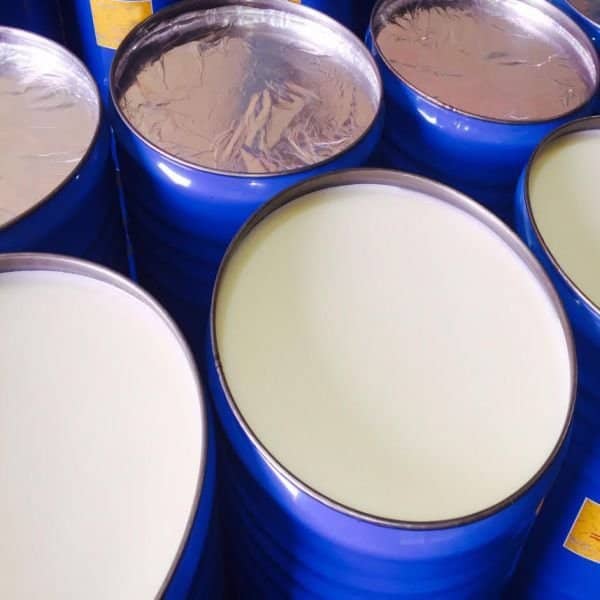
Our Semi Refined Paraffin Wax is widely used in manufacturing a variet.....show more
- Origin - Not-available
- MOQ - 1000 pieces
- Type - Not-available
- Payment - Not-available
- Price - 1
Basic member
The purity of base oils means that your additive packages can be optim.....show more
- Origin - Not-available
- MOQ - 1000 pieces
- Type - Not-available
- Payment - Not-available
- Price - 2
Basic member
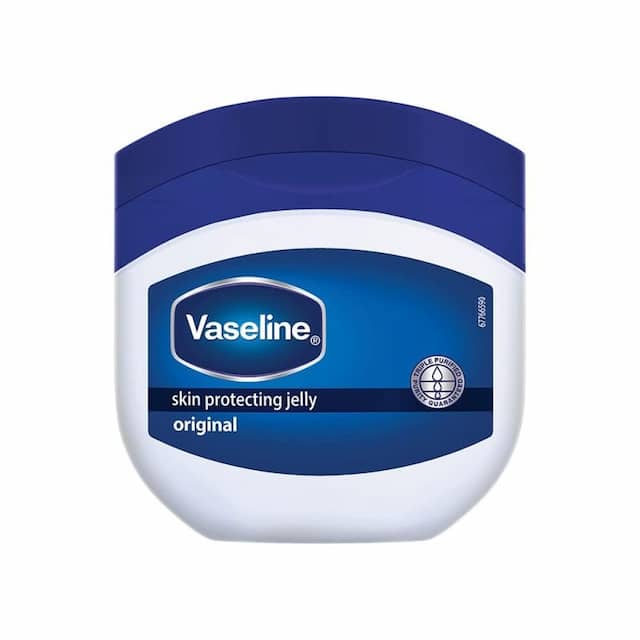
we trade in various type of petroleum jelly used in cosmetic industry .....show more
- Origin - Not-available
- MOQ - 1000 pieces
- Type - Not-available
- Payment - Not-available
- Price - 2
Petroleum By Products trade on Global Trade Plaza
Recent buy requirements
All jet fuel and fuel oil buyersAll jet fuel and fuel oil suppliersPost your requirement
Market board · 5 Nov 2026
Petroleum By Products: supply, demand and prices
258suppliers listed
167buy requirements, last 12 months
4 Nov 2026latest buy requirement
Buy requirements posted per month
Where suppliers are
Suppliers listing this product, by company country.
Where buyers are
Buy requirements in the last two years, by buyer country.
Terms suppliers use in listing names
- “petroleum jelly” 4 suppliers
- “liquidified petroleum gas” 3 suppliers
- “petroleum coke” 3 suppliers
Sources: Global Trade Plaza listings and buy requirements, 5 Nov 2026.
Related Categories
Petroleum, Oil & Related ProductsBitumen, AsphaltCarbonCrude OilLPG, LNG & CNGLubricantsOil Field Machinery & EquipmentsPetrochemicalsJet FuelJute Raw Material & MachineryCoir FibersCoir MachineryCoir MatCoir YarnJute BoardsJute MachineryJute Machinery Spare PartsJute ProductsJute Yarn & FabricOther Coir ProductsRaw JuteChemicals & Allied ProductsAcetic Acid (Vinegar)Adhesive, Sealants & LubricantsAgricultural ChemicalsAldehydeAlumAluminum OxideAluminum SulfateAmmonium SulphateAnionic PolyacrylamideAromatic ChemicalsAzo CompoundsStrong Alcoholic Beverages like Whisky, Gin, Vodka, Rum etcBenzoic AcidBleaching ChemicalsCalcium CarbonateCalcium ChlorideCalcium ChlorideCalcium HypochloriteCalcium OxideCalcium SilicateCalcium SulfateCaustic SodaCaustic SodaChemical SaltsChlorineChlorine DioxideChromium SulphateConstruction & Waterproofing Chemicals
Frequently asked questions
How many Petroleum By Products suppliers are on Global Trade Plaza?
258 suppliers list Petroleum By Products products on Global Trade Plaza (count of 5 Nov 2026). They include companies in China (45), United Arab Emirates (27), United Kingdom (20), United States (19) and Indonesia (11). Open a listing to see the supplier's profile and send an enquiry.
What types of Petroleum By Products do suppliers list?
The terms suppliers use most in Petroleum By Products listing names are "petroleum jelly" (4 suppliers), "liquidified petroleum gas" (3 suppliers) and "petroleum coke" (3 suppliers). Check the exact specification of each listing with the supplier.
Which countries are buying Petroleum By Products?
In the last two years, Petroleum By Products buy requirements came from buyers in United States (82), United Arab Emirates (34), United Kingdom (26), China (17) and Malaysia (12). Buyers have posted 393 Petroleum By Products requirements on Global Trade Plaza, 167 in the last 12 months; the latest on 4 Nov 2026.
What are the current global market trends for Petroleum By Products products?
Global Trade Plaza actively tracks the evolving trends within the Petroleum By Products industry, delivering regular updates on market dynamics, shifts in supply and demand, and emerging opportunities. Stay informed through our Global & AI Chat Support.
What are the specifications and quality standards for the Petroleum By Products products you offer?
Global Trade Plaza ensures that all Petroleum By Products products listed on the Global Trade Plaza B2B Platform adhere to internationally recognized specifications and quality standards. Detailed product specifications and quality certifications are available for each product.
Do you have the capacity to provide large quantities of Petroleum By Products products on a consistent basis?
Global Trade Plaza collaborates with a network of reputable suppliers capable of fulfilling both large and consistent quantities of Petroleum By Products products. Global Trade Plaza B2B Platform facilitates seamless transactions for such requirements.
Can you share information about the origin and source of your Petroleum By Products products?
Transparency is key. Detailed information about the origin and source of each Petroleum By Products product, inclusive of refinery specifics and production locations, is meticulously provided to buyers.
Are you able to offer both spot purchases and long-term supply contracts for Petroleum By Products products?
Indeed, Global Trade Plaza caters to both spot purchases and long-term supply contracts for Petroleum By Products products, addressing the diverse requirements of our valued users.
Fuel oil grades: HFO, LPFO, D6 and marine fuels
Heavy fuel oil (HFO) is residual fuel: what is left of crude oil after gasoline and distillate fuels have been taken off. It is viscous and normally has to be heated before it can be pumped and atomised in a burner or engine.
- D6 (No. 6 fuel oil, Bunker C)
- The heavy residual grade, used for electric power production, space heating, ship bunkering and industrial purposes.
- Marine residual fuels, ISO 8217
- Named by a letter code and the maximum kinematic viscosity at 50 °C in mm²/s: RME 180 is a 180 cSt fuel, RMG 380 a 380 cSt fuel.
- HSFO, VLSFO, ULSFO
- Sulphur classes. Since 1 January 2020 IMO limits sulphur in fuel used by ships outside emission control areas to 0.50% m/m (down from 3.5%); inside those areas the limit is 0.10%. Ships fitted with scrubbers can still burn high-sulphur fuel oil.
- LPFO
- Low pour fuel oil: a trade name for residual fuel oil with a low pour point, not a grade defined in ISO 8217 or ASTM D396.
- Mazut
- The Russian name for residual fuel oil, for example grade M100 under GOST 10585.
Because trade names such as LPFO and mazut cover a range of qualities, ask every seller which standard and grade the cargo meets. A usable offer gives limits for viscosity, density, sulphur, flash point, pour point and water, the quantity, Incoterm and load port, and names the independent inspector at loading.
Sources: IMO, IMO 2020: cutting sulphur oxide emissions (retrieved 2026-11-16); Chevron Marine Products, ISO 8217:2017 residual marine fuels table (retrieved 2026-10-30); U.S. EPA, Residual Fuel Oil No. 6 (a.k.a. Bunker C) definition (retrieved 2026-11-16).
Related jet fuel and fuel oil pages
Popular jet fuel and fuel oil searches
Browse all jet fuel and fuel oil suppliers or all jet fuel and fuel oil buyers.