Petroleum & Energy trade hub: live demand & world prices →
Best online B2B marketplace for Lubricants Suppliers & Buyers
Browse Lubricants product listings on Global Trade Plaza, a B2B marketplace where importers and wholesale buyers connect with sellers, post their buying requirements and trade directly.
142 suppliers list Lubricants on Global Trade Plaza, including companies in China, United Arab Emirates and Turkey. Buyers have posted 173 Lubricants buy requirements here, 38 of them in the last 12 months; the latest on 23 Oct 2026.
Basic member

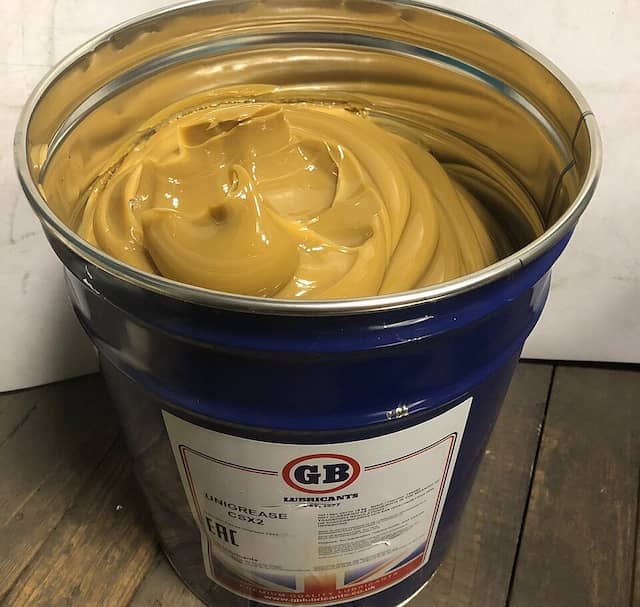
Automotive Lubricants. Automotive Lubricant oil, Lubricant Glo Ep 300.....show more
- Origin - Not-available
- MOQ - 1000 pieces
- Type - Not-available
- Payment - Not-available
- Price - 2.5
 0 Points
 South Korea (Republic Of Korea)

Basic member
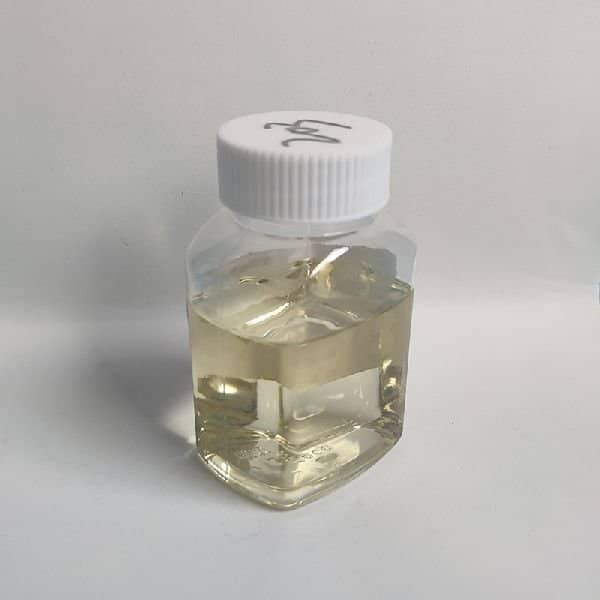
We are offering a wide range of Transformer Oil which is a series of h.....show more
- Origin - Not-available
- MOQ - 1000 pieces
- Type - Not-available
- Payment - Not-available
- Price - 1
 United Arab Emirates
Basic member
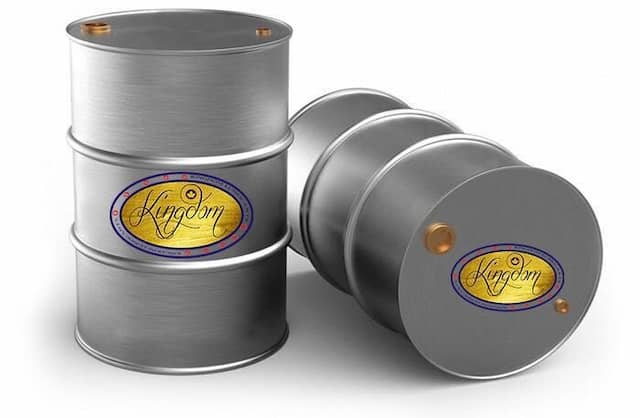
General Purpose Grease (Calcium Based Grease) No. 2 & 3 General Purpo.....show more
- Origin - Not-available
- MOQ - 1000 pieces
- Type - Not-available
- Payment - Not-available
- Price - 34
Basic member
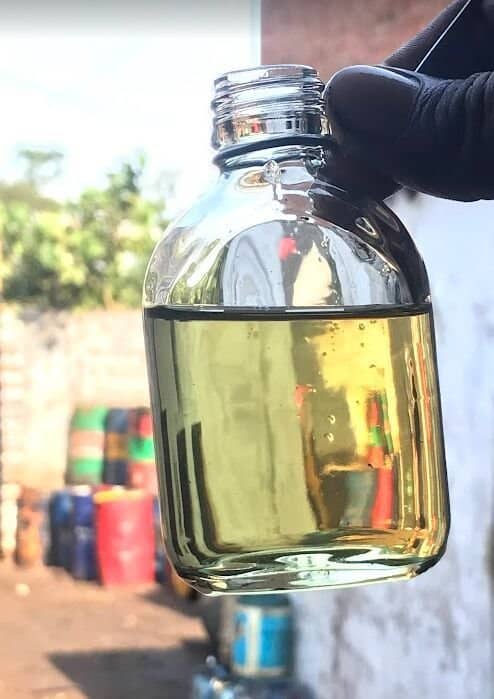
At Mirielle, we are dedicated to providing high-quality oil products t.....show more
- Origin - Not-available
- MOQ - 1000 pieces
- Type - Not-available
- Payment - Not-available
- Price - 5
 United States
Basic member
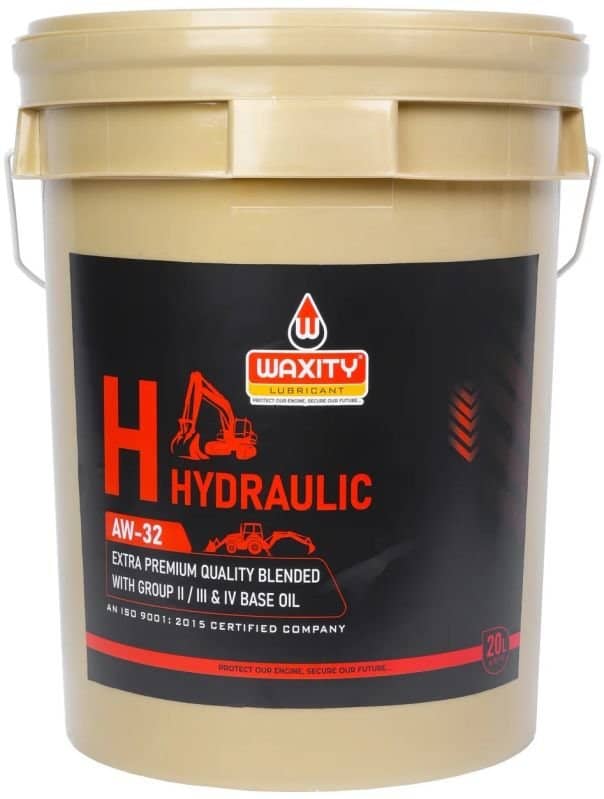
At Mirielle, we are dedicated to providing high-quality oil products t.....show more
- Origin - Not-available
- MOQ - 1000 pieces
- Type - Not-available
- Payment - Not-available
- Price - 5
Basic member
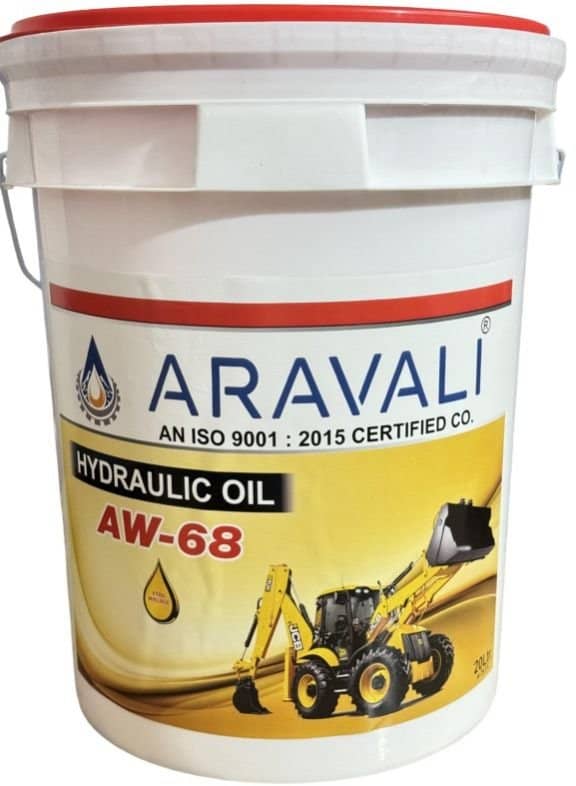
At Mirielle, we are dedicated to providing high-quality oil products t.....show more
- Origin - Not-available
- MOQ - 1000 pieces
- Type - Not-available
- Payment - Not-available
- Price - 5
Basic member
At Mirielle, we are dedicated to providing high-quality oil products t.....show more
- Origin - Not-available
- MOQ - 1000 pieces
- Type - Not-available
- Payment - Not-available
- Price - 7
Basic member
20' FCL = 20 pallets with 4 x 200L drums = 16000L High-quality SHPD m.....show more
- Origin - Not-available
- MOQ - 1000 pieces
- Type - Not-available
- Payment - Not-available
- Price - 38000
 Germany
Basic member
Our agricoltural lubricants are high-quality Universal Tractor Transmi.....show more
- Origin - Not-available
- MOQ - 1000 pieces
- Type - Not-available
- Payment - Not-available
- Price - 300
 Italy
Basic member
GP GREASGEN MP 2/4 GP GREASEGEN EP 2/3 GP GREASEGEN HP 3/4
- Origin - Not-available
- MOQ - 1000 pieces
- Type - Not-available
- Payment - Not-available
- Price - 61
Lubricants trade on Global Trade Plaza
Recent buy requirements
- base oil (Group 3), hydrocracking virgin Group 3
- base oil (Group 3), hydrocracking virgin Group 3
- base oil (Group 3), hydrocracking virgin Group 3
- base oil (Group 3), hydrocracking virgin Group 3
- base oil (Group 3), hydrocracking virgin Group 3
- EP2 Lithium Grease
- Lubricants
- CPI-Solest-180 Lubricants
- Virgin Base-Oil SN500
- Industrial oil / lubricants
All lubricants buyersAll lubricants suppliersPost your requirement
Market board · 5 Nov 2026
Lubricants: supply, demand and prices
142suppliers listed
38buy requirements, last 12 months
23 Oct 2026latest buy requirement
Buy requirements posted per month
Where suppliers are
Suppliers listing this product, by company country.
Where buyers are
Buy requirements in the last two years, by buyer country.
Terms suppliers use in listing names
- “lubricant oil” 6 suppliers
- “industrial lubricants” 5 suppliers
- “graphene lubricant additive” 3 suppliers
Sources: Global Trade Plaza listings and buy requirements, 5 Nov 2026.
Related Categories
Petroleum, Oil & Related ProductsBitumen, AsphaltCarbonCrude OilLPG, LNG & CNGOil Field Machinery & EquipmentsPetrochemicalsPetroleum By ProductsJet FuelJute Raw Material & MachineryCoir FibersCoir MachineryCoir MatCoir YarnJute BoardsJute MachineryJute Machinery Spare PartsJute ProductsJute Yarn & FabricOther Coir ProductsRaw JuteChemicals & Allied ProductsAcetic Acid (Vinegar)Adhesive, Sealants & LubricantsAgricultural ChemicalsAldehydeAlumAluminum OxideAluminum SulfateAmmonium SulphateAnionic PolyacrylamideAromatic ChemicalsAzo CompoundsStrong Alcoholic Beverages like Whisky, Gin, Vodka, Rum etcBenzoic AcidBleaching ChemicalsCalcium CarbonateCalcium ChlorideCalcium ChlorideCalcium HypochloriteCalcium OxideCalcium SilicateCalcium SulfateCaustic SodaCaustic SodaChemical SaltsChlorineChlorine DioxideChromium SulphateConstruction & Waterproofing Chemicals
Frequently asked questions
How many Lubricants suppliers are on Global Trade Plaza?
142 suppliers list Lubricants products on Global Trade Plaza (count of 5 Nov 2026). They include companies in China (33), United Arab Emirates (25), Turkey (8), Malaysia (6) and Singapore (4). Open a listing to see the supplier's profile and send an enquiry.
What types of Lubricants do suppliers list?
The terms suppliers use most in Lubricants listing names are "lubricant oil" (6 suppliers), "industrial lubricants" (5 suppliers) and "graphene lubricant additive" (3 suppliers). Check the exact specification of each listing with the supplier.
Which countries are buying Lubricants?
In the last two years, Lubricants buy requirements came from buyers in United Arab Emirates (14), Bangladesh (12), Saudi Arabia (11), Kuwait (10) and Oman (7). Buyers have posted 173 Lubricants requirements on Global Trade Plaza, 38 in the last 12 months; the latest on 23 Oct 2026.
What are the current global market trends for Lubricants products?
Global Trade Plaza actively tracks the evolving trends within the Lubricants industry, delivering regular updates on market dynamics, shifts in supply and demand, and emerging opportunities. Stay informed through our Global & AI Chat Support.
What are the specifications and quality standards for the Lubricants products you offer?
Global Trade Plaza ensures that all Lubricants products listed on the Global Trade Plaza B2B Platform adhere to internationally recognized specifications and quality standards. Detailed product specifications and quality certifications are available for each product.
Do you have the capacity to provide large quantities of Lubricants products on a consistent basis?
Global Trade Plaza collaborates with a network of reputable suppliers capable of fulfilling both large and consistent quantities of Lubricants products. Global Trade Plaza B2B Platform facilitates seamless transactions for such requirements.
Can you share information about the origin and source of your Lubricants products?
Transparency is key. Detailed information about the origin and source of each Lubricants product, inclusive of refinery specifics and production locations, is meticulously provided to buyers.
Are you able to offer both spot purchases and long-term supply contracts for Lubricants products?
Indeed, Global Trade Plaza caters to both spot purchases and long-term supply contracts for Lubricants products, addressing the diverse requirements of our valued users.
Base oil grades for lubricant buyers
Base oil is the main component of a finished lubricant; additives are blended into it to make engine, gear, hydraulic and industrial oils. API 1509 Appendix E sorts base stocks into five groups:
- Group I
- Less than 90% saturates and/or more than 0.03% sulphur, viscosity index 80 to 119.
- Group II
- At least 90% saturates and no more than 0.03% sulphur, viscosity index 80 to 119.
- Group III
- Same saturates and sulphur limits as Group II, viscosity index 120 or higher.
- Group IV
- Polyalphaolefins (PAO).
- Group V
- All other base stocks, for example naphthenic oils and esters.
Group I oils are traded under 'solvent neutral' names. In SN 150, SN 500 and similar grades the number is the viscosity in Saybolt Universal Seconds at 100 °F, so SN 500 is heavier than SN 150. Bright stock is the heaviest Group I base oil, made from deasphalted vacuum residue. Group II and III oils are usually named by kinematic viscosity at 100 °C, such as 4 cSt or 6 cSt.
When you request base oil or lubricants, ask for the group and grade, kinematic viscosity at 40 °C and 100 °C, viscosity index, pour point, flash point, sulphur and saturates, the producing refinery, packing (drums, flexitanks or bulk) and a certificate of analysis for the batch.
Sources: STLE, Base Oil Groups: Manufacture, Properties and Performance (TLT, April 2015; API 1509 Appendix E table) (retrieved 2026-11-16); Infineum, Lubricant base stocks (2020): neutral numbers in Saybolt Universal Seconds at 100 °F, bright stock from deasphalted residue (retrieved 2026-11-16).
Related lubricants pages
Browse all lubricants suppliers or all lubricants buyers.