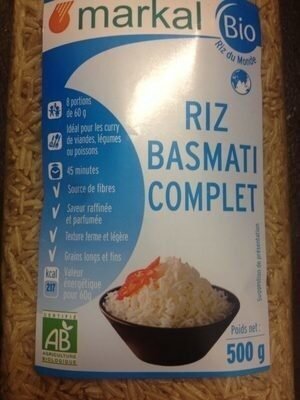

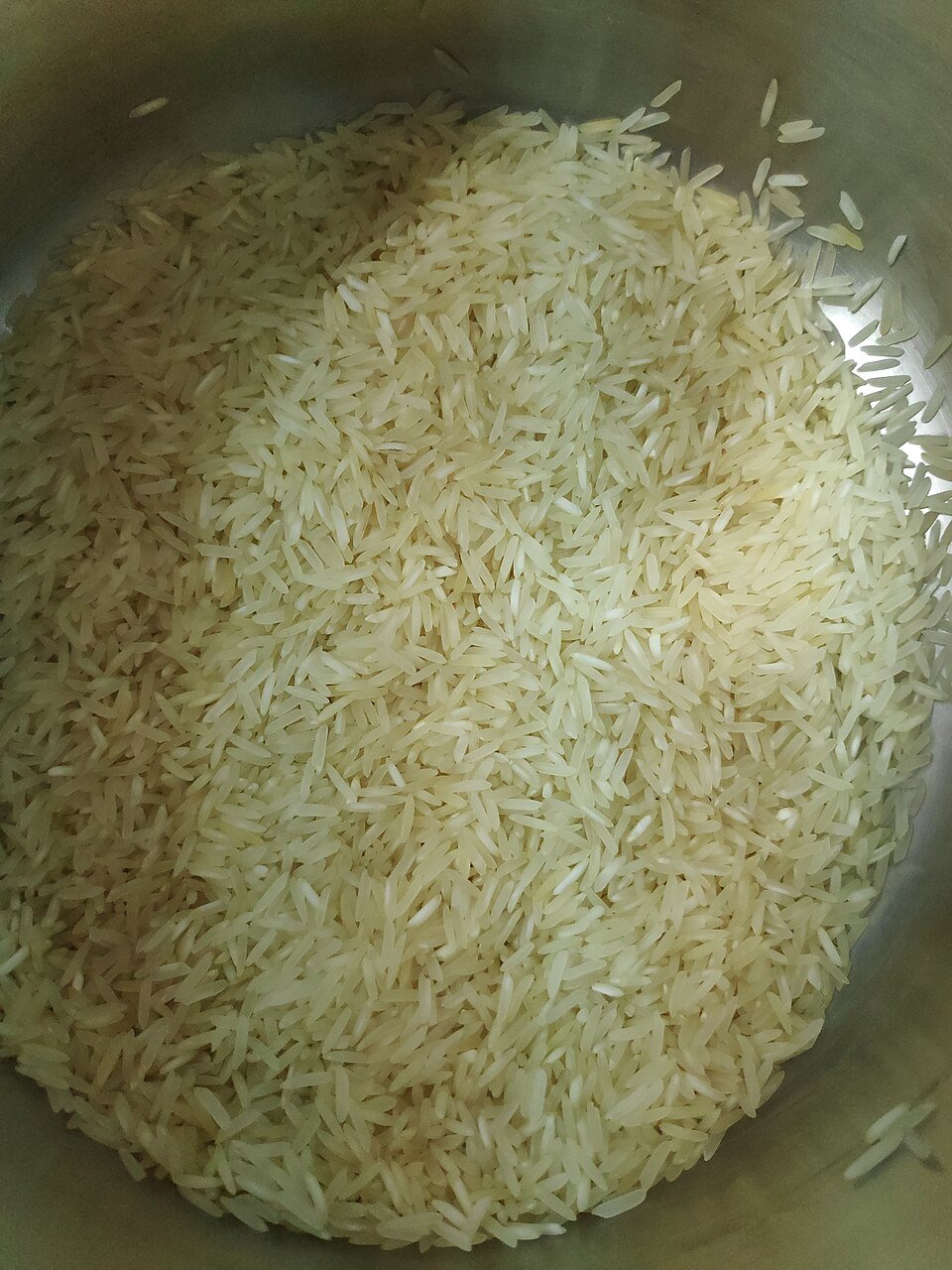
non basmati rice
- Minimum order quantity50 Kilogram
- Port of dispatchIndia
- Processing time1 Week
- Estimate pricing$ 1 – $ 10.51Est. category range
- PackagingCustomised
- AvailabilityIn stock
- Product Type/VarietyParboiled, Broken, Sella, Swarna, Sona Masoori (specify on order)
- Packaging50 kg woven polypropylene bags with inner liner; jumbo bags available on request
- Shelf Life24 months from date of milling when stored under recommended conditions
- CertificationsAsk the supplier for current certificates (e.g., FSSAI, organic, organic, gluten-free)
Products Description
Non-Basmati rice is great for eliminating water from the body since it has a lot of fiber. It smells wonderful and has a thick flavor. It is widely used in place of basmati rice in recipes like fried rice and biryani due to its reasonable pricing. Non-basmati rice is extremely pure and enriched with significant quantities of potassium, calcium, magnesium, and iron. While Parboiled Rice, Broken Rice, Sella Rice, Swarna Rice, and Sona Masoori Rice are among the varieties exported under the Non-Basmati Rice category. It helps to avoid constipation. The rice is very pure and has a lot of minerals, such as potassium, calcium, magnesium, and iron. It can be eaten every day and is a staple food. Due to its high dietary fiber content and ability to boost the body's immune system, non-basmati brown rice makes a delicious supper. It decreases hunger cravings and lowers blood sugar and cholesterol levels because of its low GI. They pair well with dal, sabzi, and various curries. Seabase Trading Pvt Ltd. is the largest exporter of non-basmati rice. Non-Basmati r is offered for sale at reasonable costs.
Product Categories
Products Specification
- Product Type/VarietyParboiled, Broken, Sella, Swarna, Sona Masoori (specify on order)
- GradeExport quality (confirm with supplier)
- Moisture (%)12 - 14% (typical; confirm with supplier)
- Purity/Admixture (%)98 - 99.5% purity; admixture ≤ 1% (confirm with supplier)
- Packaging50 kg woven polypropylene bags with inner liner; jumbo bags available on request
- Shelf Life24 months from date of milling when stored under recommended conditions
- CertificationsAsk the supplier for current certificates (e.g., FSSAI, organic, organic, gluten-free)
- OriginIndia
- MOQ Basis20 metric tons per container (full); smaller MOQs negotiable for premium varieties
- HS Code1006.30 (for milled non-basmati rice)
- Typical VarietiesParboiled, Raw Milled, Sona Masoori, Swarna, Sella
- Cooking YieldApprox. 3.0 - 3.3x expansion ratio (varies by variety)
- Mineral Content (typical)Potassium, calcium, magnesium, iron (varies by soil and variety)



Inquire now
Related Products




More related Products from Seller

Post your requirement – Global Trade Plaza
Other Products from Seller












Buy Online Wholesale non basmati rice from Supplier & Exporter in India
Non-basmati rice is a widely used staple in global cuisine, valued for its affordability and versatility in dishes ranging from fried rice to biryani. With a neutral aroma and slightly firmer texture than basmati, it offers consistent performance in high-volume cooking and industrial food processing.
The high fiber content in non-basmati rice supports digestive health, making it a practical choice for health-conscious consumers and institutional kitchens alike. Its mineral profile - including potassium, calcium, magnesium, and iron - adds functional value to end products.
Available in multiple varieties such as Parboiled, Broken, Sella, Swarna, and Sona Masoori, this category provides flexibility to match specific culinary and processing requirements. Purity levels and processing methods vary by type, enabling buyers to select the best fit for their application.
Import Wholesale non basmati rice for Your Business Needs
Best Fit & Nearest Alternatives
Best suited for:
- Food service and institutional kitchens requiring cost-effective, high-volume rice
- Food manufacturers producing ready-to-eat meals, extruded snacks, or rice-based convenience products
- Export-oriented businesses seeking non-basmati varieties for international markets
Not ideal for:
- Dishes demanding long-grain aromatic profiles (e.g., premium biryani or pulao)
- Applications requiring low fiber content or specific moisture retention
Compared to premium basmati grades, non-basmati offers lower cost per unit but lacks the distinctive aroma and elongation. It is more forgiving in high-temperature cooking than broken basmati but may require longer hydration times.
What Drives the Price
- Variety and grade (e.g., Parboiled vs. Sona Masoori)
- Processing level (e.g., raw vs. parboiled vs. milled)
- Origin and seasonal availability
- Moisture content and purity specifications
Pricing scales with purchase volume and minimum order quantities (MOQ). Buyers are encouraged to request a quote based on their annual or shipment volume to secure tiered pricing.
Lead Time, Shipping & Returns
- Lead time: Typical lead time from Indian mills ranges from 7 to 21 days after order confirmation, depending on variety and season. Confirm exact timing with the supplier.
- Shipping: Standard modes include 20’/40’ containers for bulk shipments and LCL for smaller consignments. Air freight is rare due to cost and commodity weight.
- Returns & defects: Defective lots are inspected upon arrival. Claims must be raised within 7 - 14 days of delivery with photographic evidence and third-party inspection reports. Return logistics are managed case-by-case with the supplier.
Handling & Application Notes
- Store in a cool, dry place away from direct sunlight to maintain moisture levels below 14%.
- For parboiled varieties, soak for 20 - 30 minutes before cooking to restore texture.
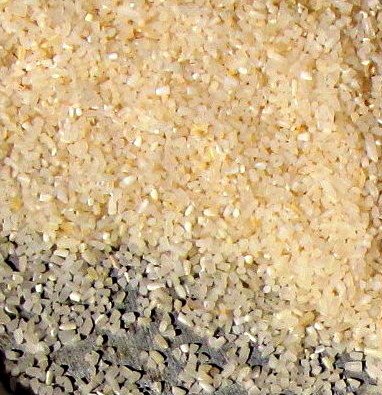
- Broken rice is ideal for rice flour, extruded snacks, and brewing applications due to its uniform particle size.
About Supplier
SEABASE TRADING PVT. LTD. is an India-based exporter specializing in non-basmati rice varieties for global food manufacturers, traders, and food service operators.
With direct sourcing from multiple mills across Karnataka, Andhra Pradesh, and Tamil Nadu, they offer flexible batch sizes and traceable supply chains. Certificates of analysis and origin are provided upon request.
Supplier Details for non basmati rice
- Established - 21 Oct, 2022
- Business Type - Manufacturer | Suppliers | Trader
- Deals in Product Type - Agriculture
- Country - India
Frequently Asked Questions (FAQs) on non basmati rice
1. What is the difference between Parboiled and Raw Milled non-basmati rice?
Parboiled rice undergoes a steam-pressure process before milling, which gelatinizes the starch, increases nutrient retention, and reduces breakage during cooking. Raw milled rice is milled directly after drying, retaining a firmer bite but with higher breakage rates.
2. Can non-basmati rice be used in gluten-free products?
Yes. Naturally gluten-free, non-basmati rice is suitable for gluten-free labeling when processed in certified facilities. Confirm with the supplier for gluten-free or allergen-free declarations.
3. Is non-basmati rice suitable for extrusion or snack production?
Broken rice and low-grade raw varieties are commonly used in extrusion due to uniform particle size and lower gelatinization temperature. Full-grain raw varieties may require pre-conditioning for consistent results.
4. What moisture content should we specify for long-distance shipping?
Target moisture content of 12 - 13% to balance microbial stability and cooking performance. Higher moisture increases risk of mold; lower moisture increases breakage.
5. How should we verify purity and admixture before shipment?
Request a pre-shipment inspection certificate from an accredited third-party agency such as SGS, Cotecna, or Intertek. Include clauses for random sampling and AQL 2.5% in your purchase order.
6. Are there restrictions on importing non-basmati rice into the EU or US?
Non-basmati rice is generally permitted under standard food import regulations in the EU and US, but may require phytosanitary certificates and fumigation declarations. Confirm import requirements with your customs broker.
7. Can we get a sample before placing a bulk order?
Yes. Most exporters provide 1 kg samples at no cost for quality verification. Specify the variety and grade on the sample request.
8. What documentation accompanies a container shipment?
Standard documents include commercial invoice, packing list, bill of lading, certificate of origin, and certificate of analysis. Ask the supplier for a full document checklist based on your destination.
Explore Top Product Categories
- Alcohol Based Hand Sanitizer
- Paper Soap
- Antibacterial Hand Wash
- Cosmetic Kits
- Detergent Chemicals
- Industrial Chemicals
- Laboratory Chemicals
- Leather Chemicals
- Car Accessories
- Motorcycle Parts
- Automobile Brakes Spare Parts
- Motorcycle, Scooters & ATV Bikes
- Building Construction Machineries & Equipments
- Bricks
- Cupboards, Door, Gates, Grills & Windows
- Wall Tiles
- Filters, Water Treatment Plants
- Household Cleaning Products
- Wiping Rags, Mops, Dusters, Sponge, Brushes, Scourer
- Soap & Detergent
- Industrial Gears & Gear Boxes
- Machined Components
- Bolts
- Nuts
- Food Packaging Bags
- Wooden Packaging Boxes
- Offset Printing Machinery & Equipments
- Packaging Machinery
Related Products
1121 LONG GRAIN STEAM BASMATI RICE1509 LONG GRAIN BASMATI RICE1401 BASMATI RICEBlanket POMPOM PinkMEDICINE FOR ACIDITYRiceWHEAT GRAINSYELLOW AND WHITE CORNWindcheaterCeramic KitchenwareYellow Corn for Animal Feed /Yellow corn for consumptionWheatMaizeBuilding materialsDasheenB flatshandcraft productssugarcaneSupport wearNon gmo and gmo corn/maize for saleCanned Sweet Cornwheat grainscornmolokheyaflat parsleycurly parsleycactus fruit oil