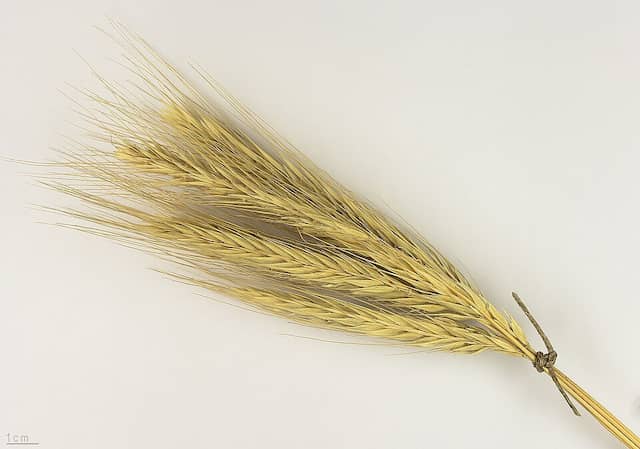
Rye
- Port of dispatchUnited States
- Estimate pricingPrice on request
Your request goes to Kore20 LLC. Follow up with them in Messages on Global Trade Plaza.
Supplier based in United StatesOn Global Trade Plaza since Jun 2025Similar products from other sellers
Products Description
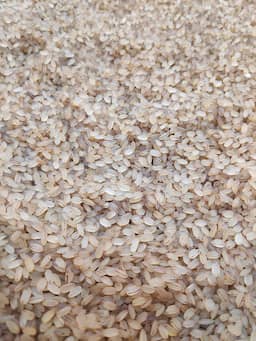
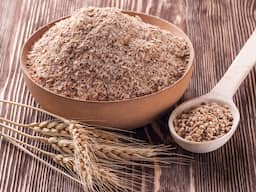
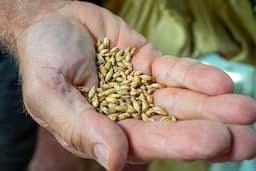
Rye came into cultivation later than wheat, barley and oats and was not known to the ancient Egyptians and Greeks. It was the main grain used for bread-making in Northern Europe and Russia for many centuries. This is partly because it grows well in colder, harsher climates and partly because it was preferred by some people. Scandinavian countries such as Denmark, Norway and Sweden eat a variety of bread and crispbreads made from rye flour, although wheat products are becoming more popular. Rye contains less gluten than wheat flour, and this makes rye bread significantly denser. Traditional rye breads are made with a sourdough method so have a slightly sour taste when compared to wheat bread. Dark rye flour bread is all whole grain flour. Light rye grain bread is a mixture of whole grain rye flour and refined rye flour. Bread made wholly from rye flour is made in Germany and called pumpernickel. Rye is unique among grains for having a high level of fibre in its endosperm not just in its bran. As such, the glycemic index (GI) of rye products is generally lower than products made from wheat and most other grains. Nutrition credentials of whole grain rye: High in carbohydrate (mainly starch), with a lower GI than most other grains. Relatively high protein content (around 15%), with a higher lysine content than most other cereals. Contains a protein complex which forms gluten. Low in fat (most of which is unsaturated). High in potassium and low in sodium. Excellent source of dietary fibre. Rye has more soluble fibre than wheat, however, less is known about the effect of dietary fibre found in rye. Contains B-group vitamins such as thiamin, riboflavin, niacin, vitamin B6 (pyridoxine), folate and pantothenic acid. Contains vitamin E. Contains iron, zinc, magnesium, phosphorus and selenium (depending on the soil content of selenium). Contains small amounts of copper, manganese and calcium. Contains phytochemicals including lignans, phenolic acids, phytic acid, plant sterols and saponins.
Product Categories
Products Specification
- AvailabilityIn stock
- PriceNegotiable
- BrandGlobal Trade Plaza
- Minimum Order QuantityNot Specified
- Item ConditionNewCondition



Get a quote from Kore20 LLC

Post your requirement – Global Trade Plaza
Describe what you need once. Suppliers who deal in it see your requirement as a buy lead and can send you offers.
Other Products from Seller





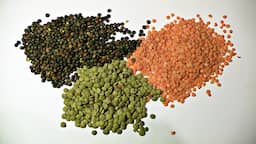
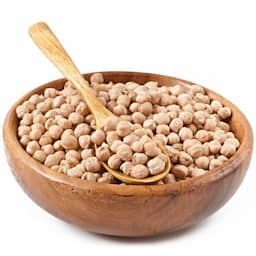
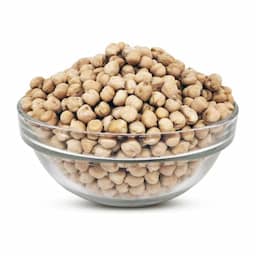
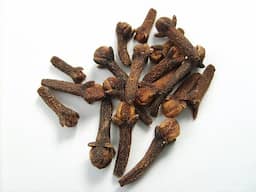













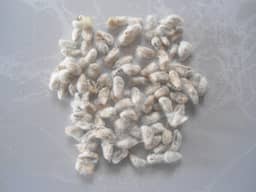
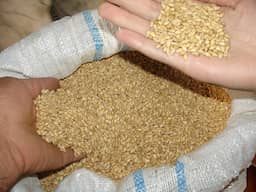
Buy Online Wholesale Rye from Supplier & Exporter in United States
Kore20 LLC lists Rye on Global Trade Plaza from United States. The listing was added in June 2025.
Import Wholesale Rye for Your Business Needs
Brand: Global Trade Plaza. Ask Kore20 LLC for a firm quote and delivery terms before you order.
About Supplier
Kore20 LLC is a B2B supplier based in United States, listed on Global Trade Plaza since June 2025. Use Inquire now or Chat with supplier to ask Kore20 LLC for prices, specifications and documents for Rye.
Supplier Details for Rye
- Member since - Jun 2025
- Business Type - Contact Seller
- Deals in Product Type - Contact Seller
- Country - United States
Frequently Asked Questions (FAQs) on Rye
1. What is the Seller’s Policy on Payment for Rye?
Ask Kore20 LLC which payment terms they accept for Rye. Agree the payment terms in writing with the supplier before you pay.
2. How to Place an Order for Rye with Kore20 LLC?
Click Get a quote to send your requirement to the supplier Use Chat with supplier to ask questions Post your requirement to hear from other suppliers too
Placing an order for Rye with Kore20 LLC is quick and straightforward on Global Trade Plaza, a leading B2B marketplace for global buyers and suppliers. You can:
3. What Should You Consider When Buying Rye Online in 2025?
Product specifications (material, durability, features) Quality certifications and compliance Supplier credibility and customer reviews Minimum Order Quantity (MOQ) and bulk pricing Lead time and delivery timelines
When purchasing Rye from a B2B marketplace in 2025, focus on the following critical factors:
Comparing prices and communicating directly with Kore20 LLC can help ensure value for money and better sourcing decisions.
4. Who Are the Top B2B Importers and Buyers of Rye on Global Trade Plaza?
Visit the Buy Leads section Filter by industry, product type, or country Create an account to access full buyer contact details
Global Trade Plaza is home to B2B buyers, wholesalers, distributors, and importers of Rye across industries and countries. To discover the most active and high-value buyers:
5. What is the Port of Dispatch, Estimated Price, and Packaging Type Offered by Kore20 LLC?
Kore20 LLC, a B2B supplier from United States, dispatches Rye primarily through the port at United States. Packaging types (e.g., bulk, custom, eco-friendly) and estimated pricing may vary based on order volume and destination. To get detailed logistics and pricing information, use Get a quote or Chat with supplier, or Sign Up for direct supplier interaction.



Explore Top Product Categories
- Alcohol Based Hand Sanitizer
- Paper Soap
- Antibacterial Hand Wash
- Cosmetic Kits
- Detergent Chemicals
- Industrial Chemicals
- Laboratory Chemicals
- Leather Chemicals
- Car Accessories
- Motorcycle Parts
- Automobile Brakes Spare Parts
- Motorcycle, Scooters & ATV Bikes
- Building Construction Machineries & Equipments
- Bricks
- Cupboards, Door, Gates, Grills & Windows
- Wall Tiles
- Filters, Water Treatment Plants
- Household Cleaning Products
- Wiping Rags, Mops, Dusters, Sponge, Brushes, Scourer
- Soap & Detergent
- Industrial Gears & Gear Boxes
- Machined Components
- Bolts
- Nuts
- Food Packaging Bags
- Wooden Packaging Boxes
- Offset Printing Machinery & Equipments
- Packaging Machinery
Related Products
RyeRye FlakesCorn SilageRyeRyeHigh Quality Indian RiceWholesale Natural Indian Rice For CookingHot Selling Price Bulk RiceIr64 Long Grain Rice 25% Broken Raw RiceGood Quality Wholesale RiceHigh Quality Indian Rice ManufacturerShort Grain Rice Suppliers, ManufacturersShort Grain Rice Manufacturers & Suppliers IndiaLong Grain White RiceWhite Rice Ir64 25% Raw White Rice ManufacturerExport Quality Indian White RiceIr64 Long Grain White Rice 5% Broken SupplierIr64 Long Grain White Rice 5% BrokenIr64 Long Grain White Rice ManufacturerChilliLemonOnionsRiceAlmondsWalnutsFresh CoconutOximeter