
Green Arabica Coffee Beans
- Port of dispatchBangladesh
- Estimate pricing$ 8.85 – $ 3225Est. category range
- AvailabilityIn stock
- Product Type/VarietyGreen Arabica Coffee Beans
- GradePremium to Standard (ask the supplier)
- Moisture (%)9 - 12% (typical range)
- Purity/Admixture (%)96 - 99% (foreign matter max 1 - 4%)
Products Description
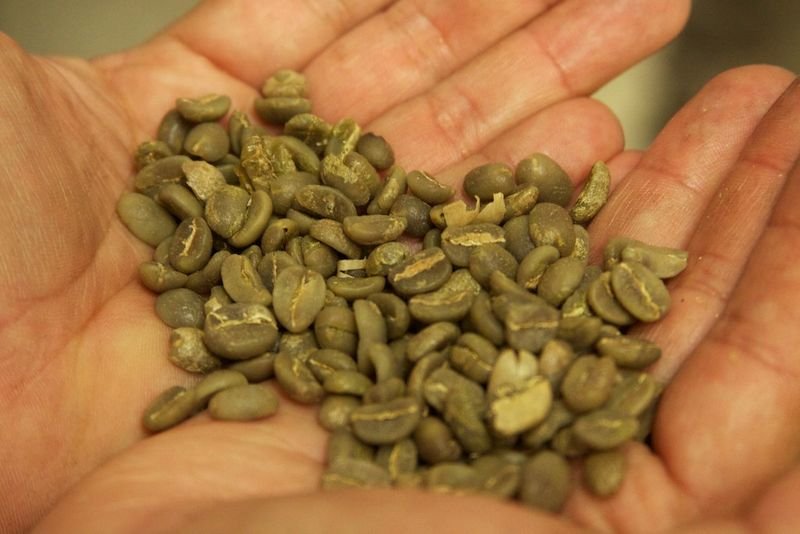
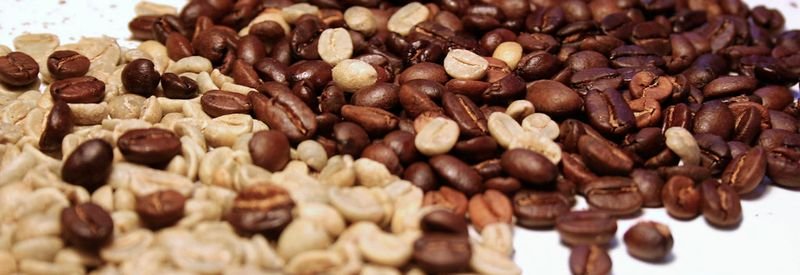
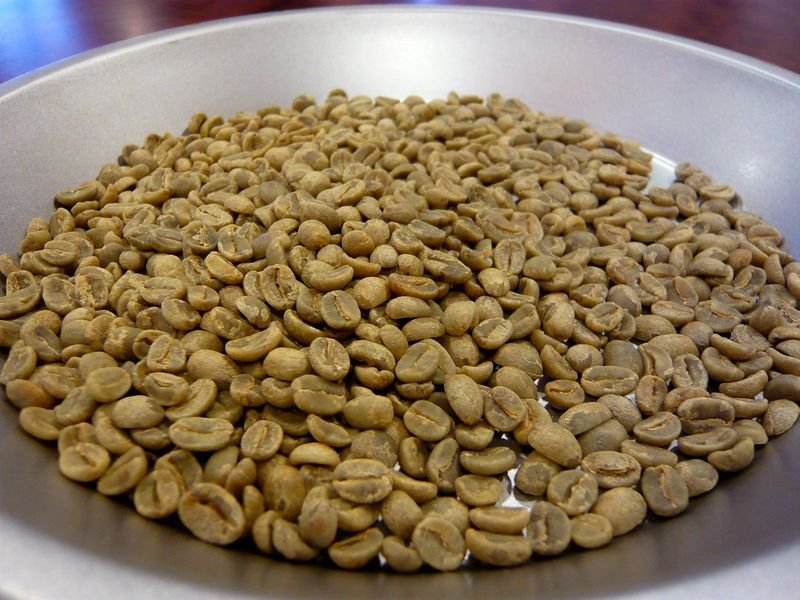
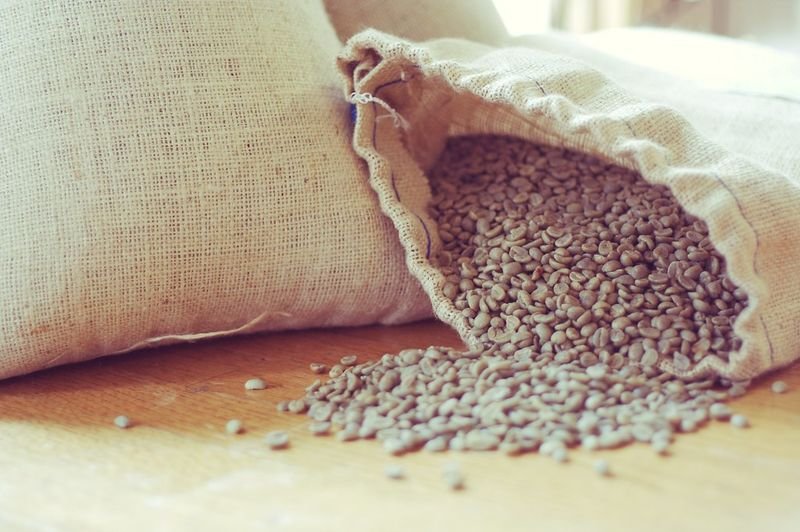
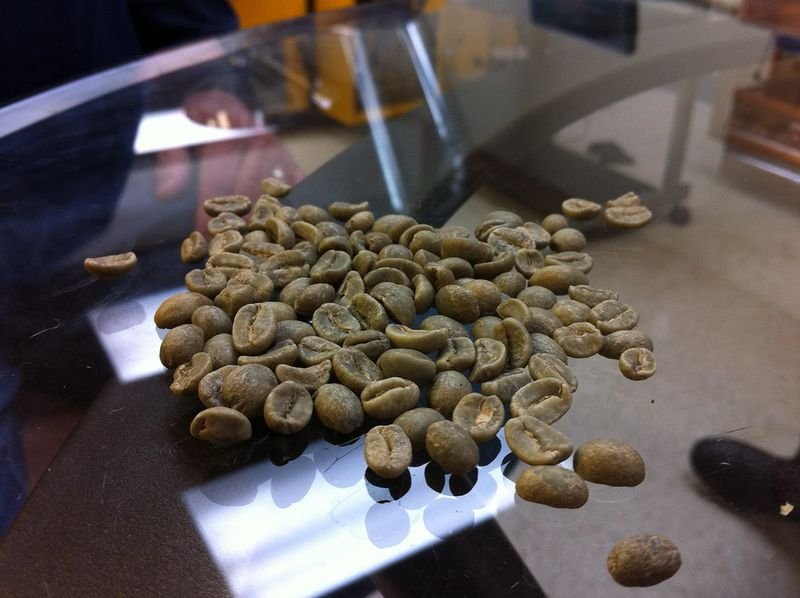
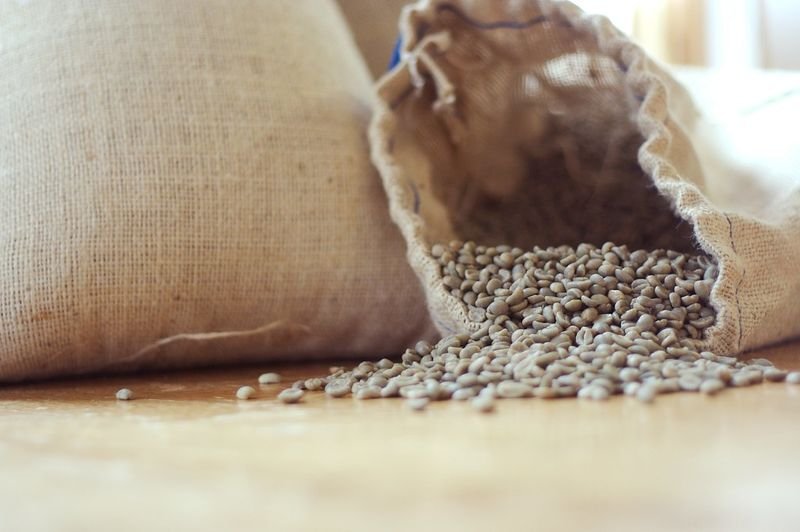
Product descriptions from the supplier Green Coffee Bean "Green coffee" beans are coffee seeds (beans) of Coffea fruits that have not yet been roasted. The roasting process of coffee beans Decrease amounts of the chemical chlorogenic acid. Therefore, green coffee beans have a higher level of chlorogenic acid compared to regular, roasted coffee beans. Chlorogenic acid in green coffee is thought to have health benefits. Benifit Green coffee beans have demonstrated many health benefits in scientific studies. The main properties of green coffee bean responsible for these benefits appear to be Caffeine and a natural occurring antioxidant called Chlorogenic acid (CGA). When coffee is roasted chlorogenic acid is reduced and therefore will not produce the same affects as unroasted green bean coffee. Weight Loss Green coffee became popular for weight loss after it was mentioned on the Dr. Oz show in 2012. The Dr. Oz show referred to it as "The green coffee bean that burns fat fast" and claims that no exercise or diet is needed. People take green coffee by mouth for obesity, diabetes, high blood pressure, Alzheimer's disease, and bacterial infections. Specification - Product name : Green Coffee Beans - Origin : Brazil - Impurity : 1% - Broken : 5% - Moisture : max 12.5% - Package :60kg /bag - Loading : 8tons/cont 20 - MOQ :1cont 20 Size 13-15 s13-15 mesh screen;14-17 mesh screen,17+mesh screencreen;14-17 mesh screen,17+mesh screen Variety Coffee Bean Grade Food Grade Appearance Brown seeds Cultivation Type Organic Maturity Coffee Bean Processing Type Green moisture 13% max. Purity 99.5% min. Imperfect 8% max.
Product Categories
Products Specification
- Product Type/VarietyGreen Arabica Coffee Beans
- GradePremium to Standard (ask the supplier)
- Moisture (%)9 - 12% (typical range)
- Purity/Admixture (%)96 - 99% (foreign matter max 1 - 4%)
- PackagingNew jute bags (60 - 70 kg) or GrainPro bags
- Shelf Life12 - 24 months from processing date if stored properly
- Certificationsask the supplier (e.g., organic, fair trade, HACCP - not guaranteed)
- OriginBangladesh
- MOQ BasisPer container (20ft or 40ft) or as per supplier MOQ
- HS Code0901.11 (Coffee, not roasted, not decaffeinated)
- Chlorogenic Acid Content5 - 8% (typical dry basis)
- Bean SizeScreen 15 - 18 (typical)
- Defects (max)2 - 4% total (black, broken, sour, foreign matter)


Inquire now
Related Products


Post your requirement – Global Trade Plaza
Other Products from Seller



















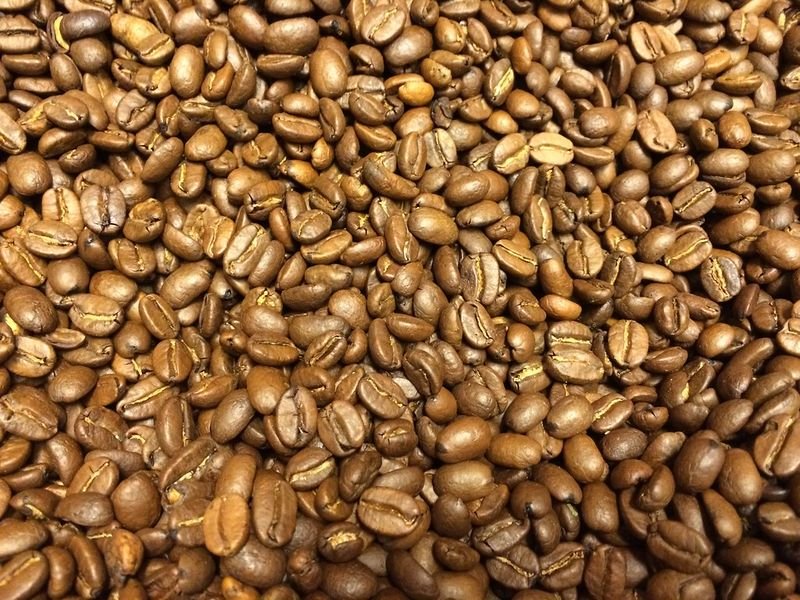
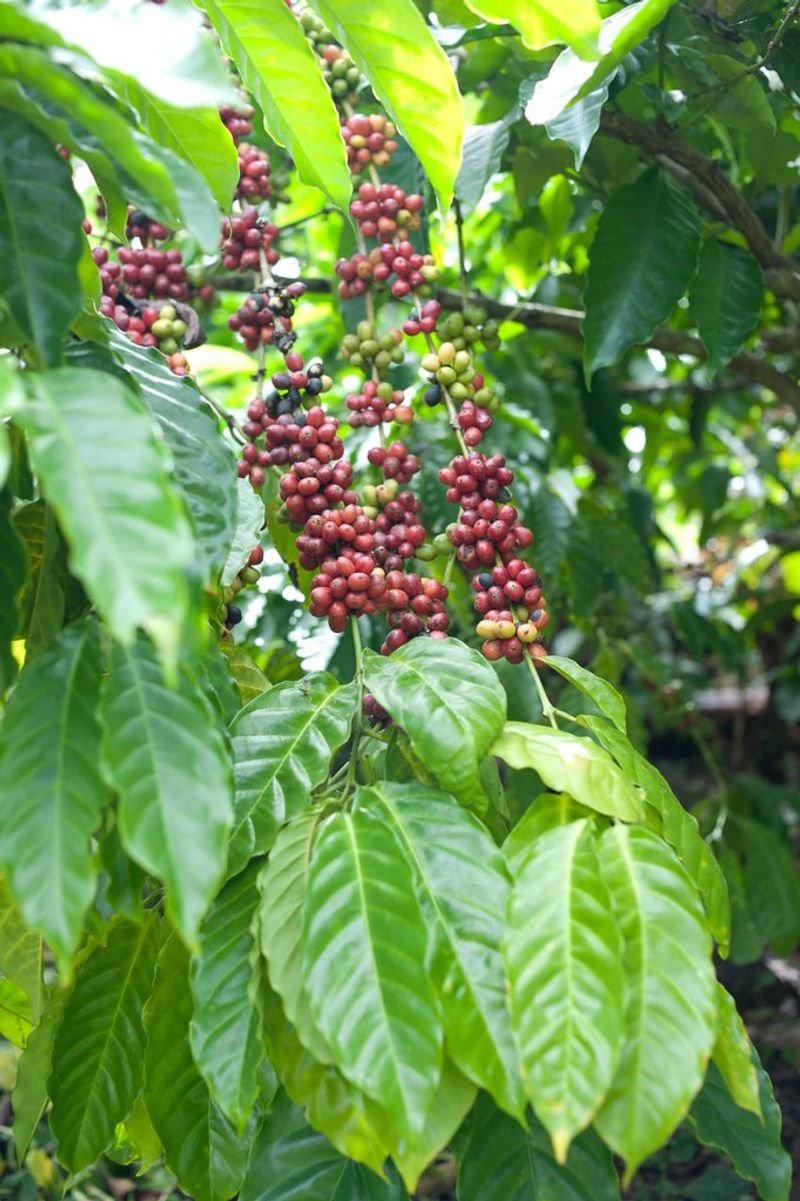

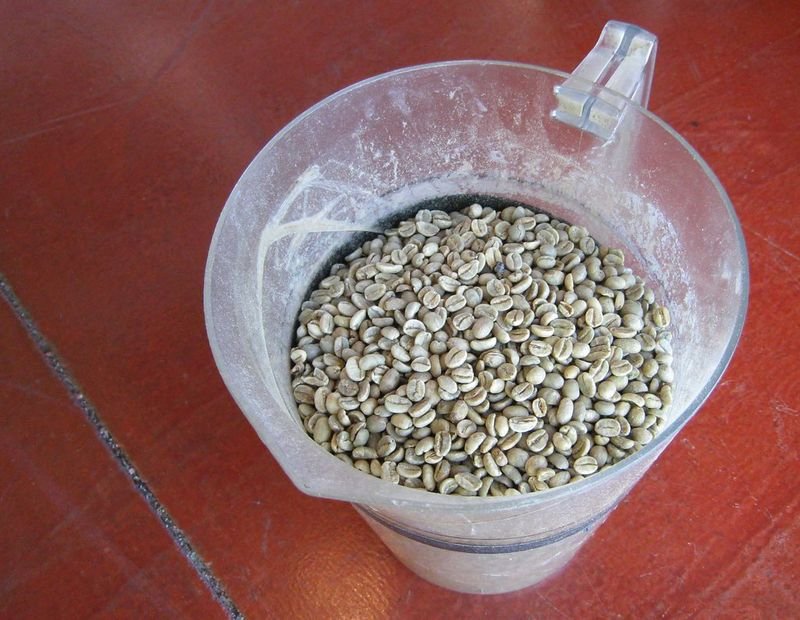
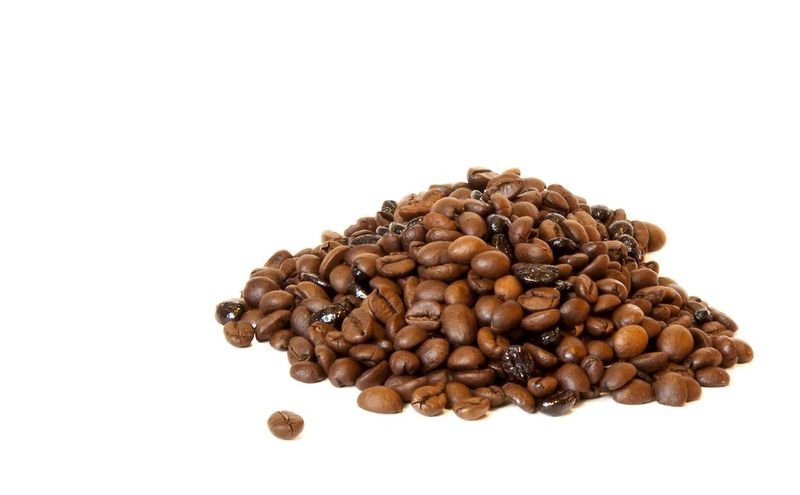





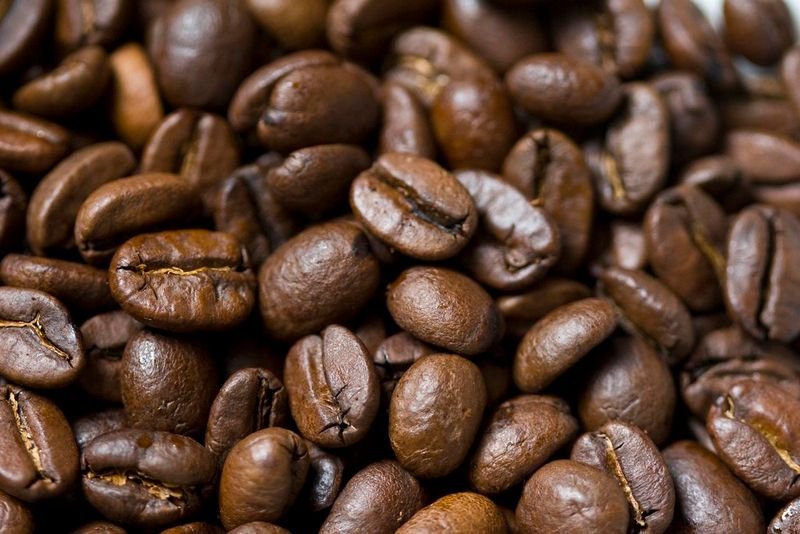
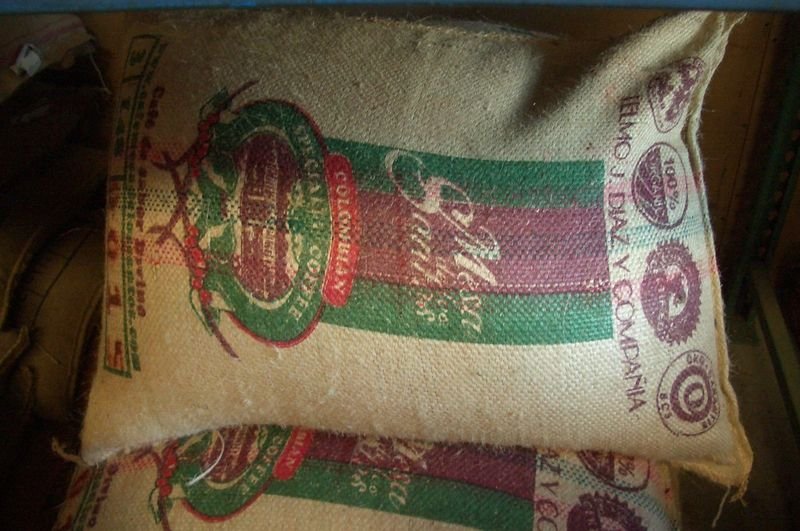
More Green Arabica Coffee Beans from Category








Green Arabica Coffee Beans from other sellers

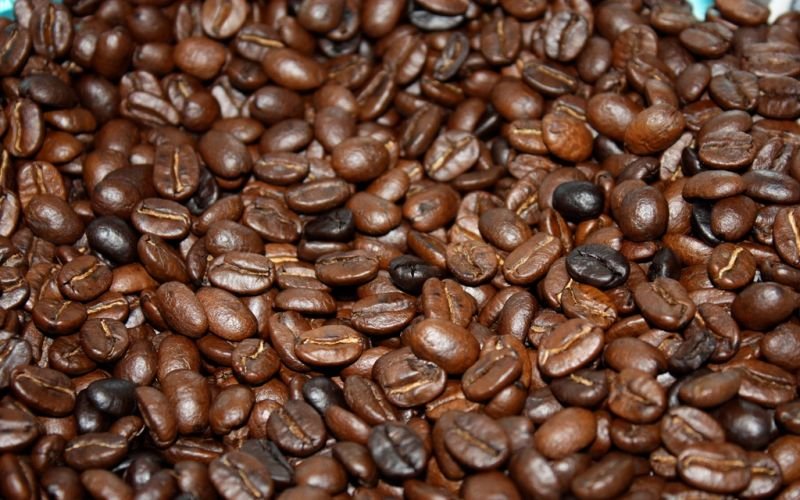

Buy Online Wholesale Green Arabica Coffee Beans from Supplier & Exporter in Bangladesh
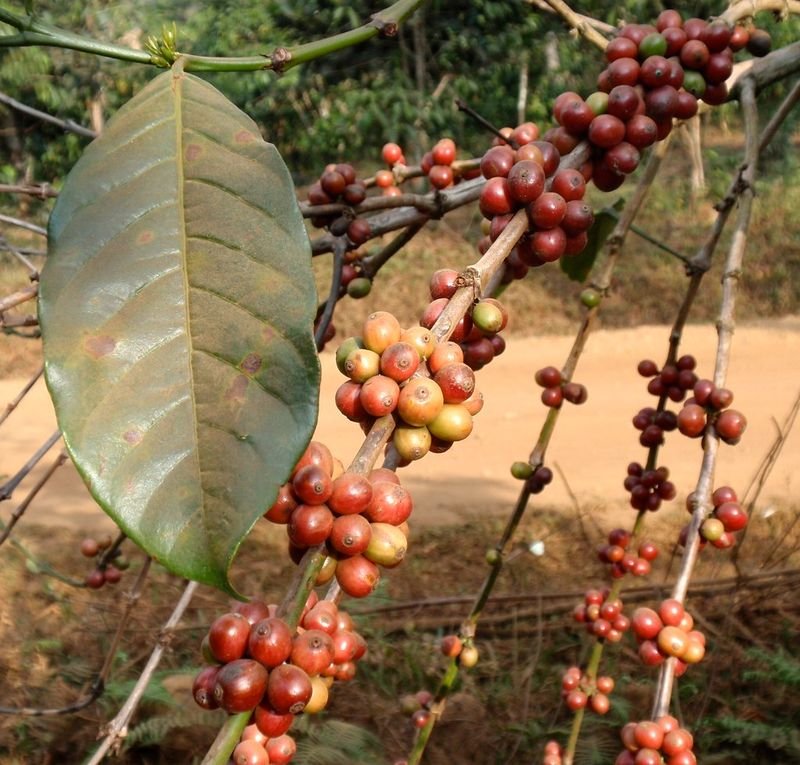
Green Arabica coffee beans are unroasted coffee seeds harvested from the Coffea arabica plant, prized for their high chlorogenic acid content and potential health benefits. These beans retain more of their natural compounds compared to roasted coffee, making them suitable for food supplements, extracts, and specialty beverages.
Sourced from trusted farms in Bangladesh, these beans undergo careful selection and processing to maintain freshness and quality. They are typically used as raw material for roasters, manufacturers of instant coffee, and producers of green coffee extract supplements.
Green Arabica beans are known for their bright acidity, floral and fruity notes, and lower caffeine content compared to Robusta varieties. They are widely regarded for their superior sensory profile and are a preferred choice in specialty coffee markets.
Import Wholesale Green Arabica Coffee Beans for Your Business Needs
Best Fit & Nearest Alternatives
Best suited for:
- Bulk buyers of raw coffee for roasting or processing
- Manufacturers of green coffee extract supplements
- Specialty beverage producers focusing on functional ingredients
- Importers seeking high-quality Arabica beans with clean origin traceability
Not ideal for:
- End-consumers looking for roasted coffee for direct brewing
- Buyers needing pre-roasted or flavored beans
- Applications requiring very low moisture content (below 10%)
Compared to Robusta, Arabica offers better cup quality and lower caffeine, but may cost more per unit and require stricter storage conditions. Robusta beans typically have higher caffeine and lower acidity, making them better suited for instant coffee or blends. Arabica is preferred for premium, single-origin products.
What Drives the Price
- Grade and bean size uniformity
- Moisture content and physical defects
- Crop yield and seasonal supply conditions in origin country
- Certification status (e.g., organic, fair trade - confirm with supplier)
- Freight and logistics costs from Bangladesh to destination
Pricing scales with purchase volume and order frequency. Lower MOQs may apply for standard grades; larger contracts often qualify for tiered pricing. Request a quote based on your annual volume and delivery schedule.
Lead Time, Shipping & Returns
- Lead time: Typical lead time from confirmed order to shipment ranges from 30 to 90 days, depending on harvest season, grade availability, and shipping method. Confirm exact timing with the supplier during negotiations.
- Shipping: Common shipping modes include 20-40ft containers by sea freight (FCL/LCL), with options for break-bulk or bulk vessel shipping. Air freight is available for urgent small lots but significantly increases cost.
- Returns & defects: Returns are accepted only for confirmed defects or non-conformity to agreed specifications, subject to inspection and supplier approval. Buyers are advised to conduct pre-shipment or on-arrival inspection. All returns require prior written agreement and are subject to restocking or reconditioning fees.
Handling & Application Notes
- Store in a cool, dry environment (below 25°C and <65% RH) to preserve chlorogenic acid levels and prevent mold growth.
- Avoid exposure to direct sunlight or strong odors; beans can absorb external aromas.
- For supplement use, ensure beans are properly cleaned and milled to specification before extraction.
About Supplier
Zhm International Limited is a Bangladesh-based exporter specializing in green coffee beans with over 15 years of experience in the specialty coffee trade. They work directly with regional growers and cooperatives to source Arabica beans.
The company holds export licenses and adheres to international food safety and quality standards. They manage the full supply chain from farm selection to container loading, with a focus on consistency and traceability. Ask the supplier for current certifications and audit reports.
Supplier Details for Green Arabica Coffee Beans
- Established - 12 Jun, 2025
- Business Type - Exporter
- Deals in Product Type - Food & Beverage - Coffee & Tea
- Country - Bangladesh
Frequently Asked Questions (FAQs) on Green Arabica Coffee Beans
1. What is the typical chlorogenic acid content in these green Arabica beans?
Typical chlorogenic acid content ranges between 5% and 8% on a dry basis. Confirm exact values with the supplier for your specific batch.
2. Are these beans suitable for direct consumption as green coffee?
No. Green coffee beans are hard and must be roasted before brewing. They are primarily used for roasting, extraction, or further processing.
3. Can these beans be used to produce decaffeinated green coffee extract?
Yes, green Arabica beans can be decaffeinated using solvent-free or solvent-based methods before extraction. Confirm processing capabilities with the supplier.
4. What is the recommended storage temperature and humidity for these beans?
Store at below 25°C and relative humidity below 65% to maintain quality and prevent mold. Avoid temperature fluctuations and strong odors.
5. Do these beans meet organic certification standards?
Ask the supplier for current organic certification status. Not all batches are certified; verify with documentation before purchase.
6. What are the main flavor notes expected from these green Arabica beans?
Expect bright acidity, floral, fruity, and sometimes citrus or berry notes. These profiles become more pronounced after roasting.
7. Is pre-shipment inspection recommended before accepting a container?
Yes. Conduct or arrange third-party inspection for moisture content, defects, and bean uniformity. This helps prevent disputes and ensures compliance with your specifications.
8. Can the supplier provide traceability back to specific farms or regions?
Traceability depends on the supplier’s sourcing model. Some can provide farm-level or cooperative-level origin details upon request. Confirm availability during negotiations.
Explore Top Product Categories
- Alcohol Based Hand Sanitizer
- Paper Soap
- Antibacterial Hand Wash
- Cosmetic Kits
- Detergent Chemicals
- Industrial Chemicals
- Laboratory Chemicals
- Leather Chemicals
- Car Accessories
- Motorcycle Parts
- Automobile Brakes Spare Parts
- Motorcycle, Scooters & ATV Bikes
- Building Construction Machineries & Equipments
- Bricks
- Cupboards, Door, Gates, Grills & Windows
- Wall Tiles
- Filters, Water Treatment Plants
- Household Cleaning Products
- Wiping Rags, Mops, Dusters, Sponge, Brushes, Scourer
- Soap & Detergent
- Industrial Gears & Gear Boxes
- Machined Components
- Bolts
- Nuts
- Food Packaging Bags
- Wooden Packaging Boxes
- Offset Printing Machinery & Equipments
- Packaging Machinery
Related Products
High-Quality AA Green Arabica Coffee BeansRaw Arabica Coffee Beans GreenHigh Quality 100% Arabica Coffee Beans100% Arabica Coffee Beans - WholesaleEthiopian Arabica Arabica Coffee BeansGreen Organic Arabica Coffee BeansArabica Coffee Arabica Coffee PriceArabica CoffeeArabica CoffeeGreen Arabica Coffee BeanHigh Quality Green Arabica Coffee BeanRoasted 100% Arabica Coffee BeansRoasted Organic Robusta and Arabica Coffee BeansArabica Washed Plantation - AAArabica Washed Plantation - AArabica Coffee BeansEspresso gran aroma tinEspresso gran aromaArabica Coffee Green BeanMandheling ftoKaren koffArabica CoffeeOrganic Arabica CoffeeRobusta and arabica coffee beanWhole bean roasted Arabica coffeeExotico sumatra lintong arabicaEthiopian Arabica Coffee, Sesame