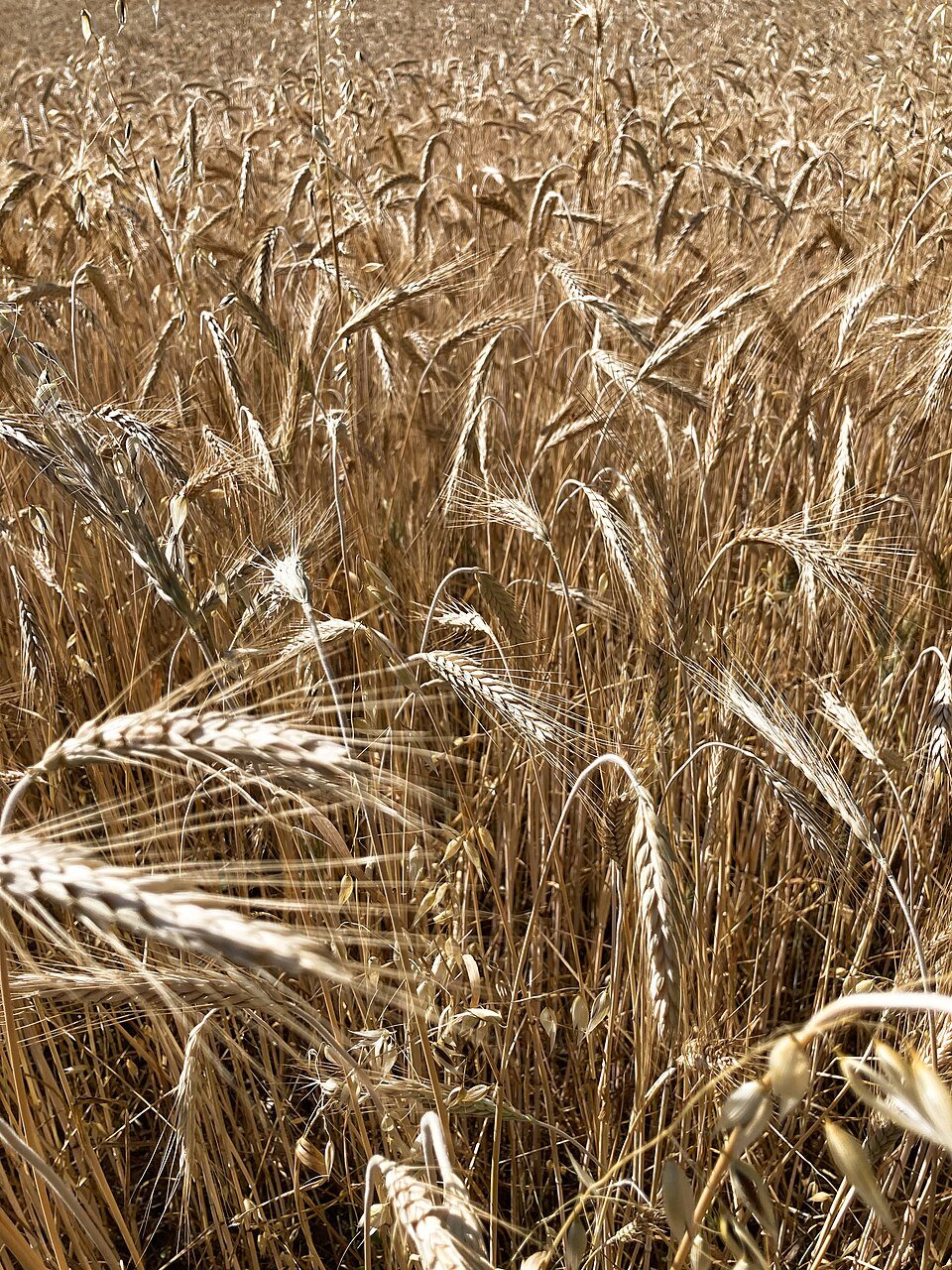
Wheat Middling
- Port of dispatchIsrael
- Estimate pricing$ 65.25 – $ 301.25Est. category range
- AvailabilityIn stock
- Product Type/VarietyWheat Middling
- GradeFeed grade
- PackagingBulk in tanks
- Shelf Life6 - 12 months when stored properly in dry conditions
Products Description
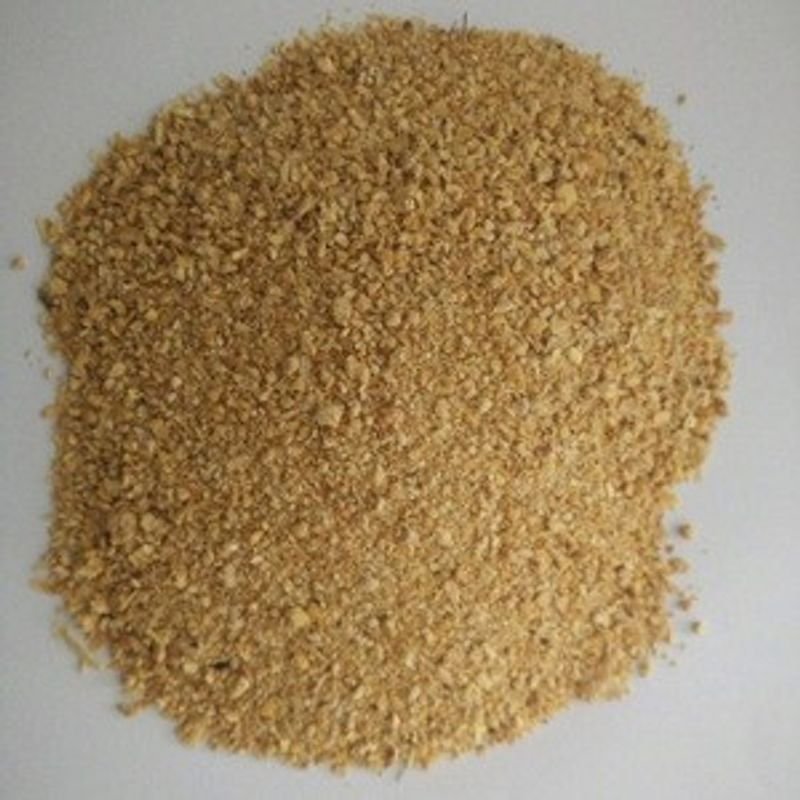
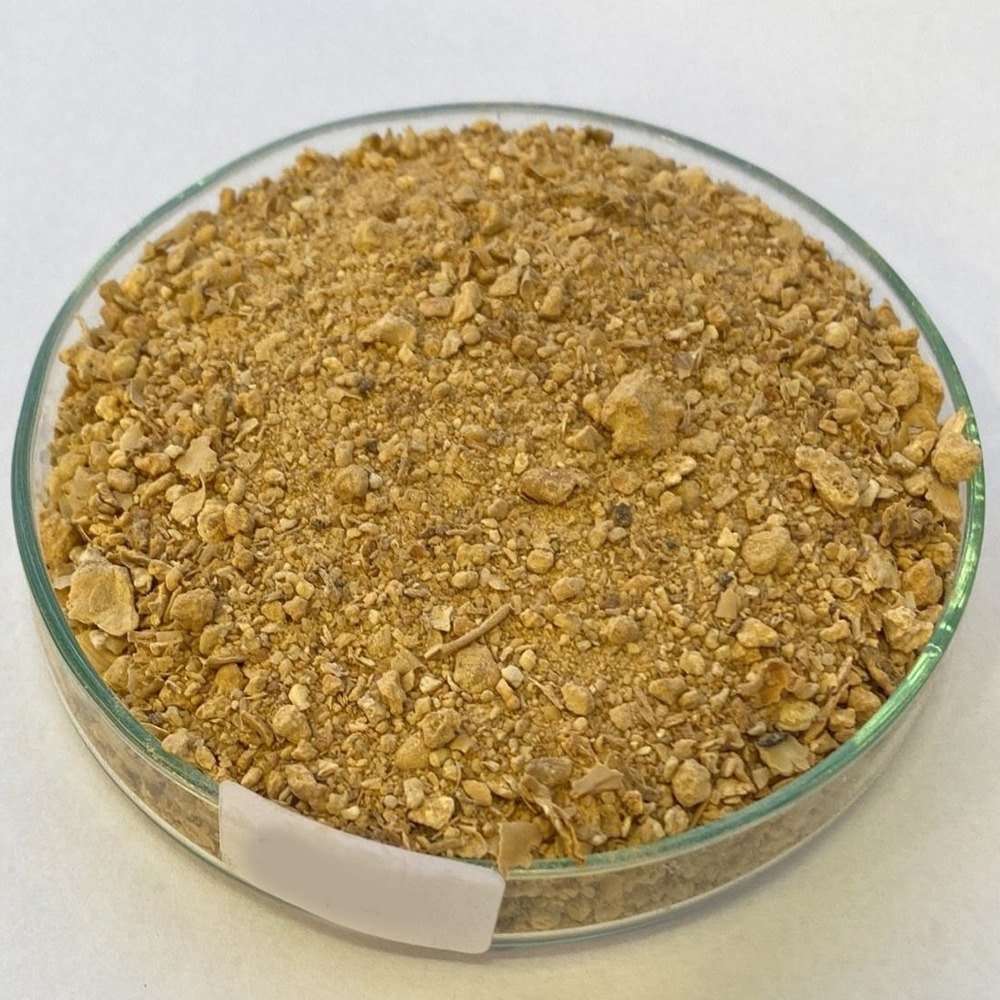
Characteristics Ultra-fine brown flour with a pleasant and characteristic smell and a sweetish flavour. How is it obtained In the different steps of the soft wheat grinding process, the middling represents the last by-product of milling, before flour is obtained. Function Energy supplement for animal feed Uses ANIMAL FEED INDUSTRY It is widely used in cattle feed. Packaging Bulk in tanks Minimum order For this particular product, only sale in tanks is allowed.
Product Categories
Products Specification
- Product Type/VarietyWheat Middling
- GradeFeed grade
- Moisture (%)Confirm with supplier
- Purity/Admixture (%)Confirm with supplier
- PackagingBulk in tanks
- Shelf Life6 - 12 months when stored properly in dry conditions
- CertificationsAsk the supplier
- OriginIsrael
- MOQ BasisTank load (typically 20 - 30 metric tons)
- HS CodeConfirm with supplier
- Particle SizeUltra-fine
- Typical Energy (ME/kg)Confirm with supplier
- Typical Protein (%)Confirm with supplier



Inquire now


Post your requirement – Global Trade Plaza
Other Products from Seller























More Wheat Middling from Category









Wheat Middling from other sellers

Buy Online Wholesale Wheat Middling from Supplier & Exporter in Israel
Wheat middling is an ultra-fine brown flour derived from the soft wheat milling process. It is recognized for its characteristic sweetish flavor and pleasant aroma, making it a practical ingredient for animal feed formulations.
This by-product is obtained during the final stages of soft wheat grinding, just before flour is produced. Its consistent quality and nutrient profile make it a cost-effective energy supplement for livestock diets.
Suppliers in Israel offer wheat middling in bulk tank shipments, ensuring suitability for large-scale feed producers or industrial buyers requiring consistent volumes. Confirm with supplier for exact handling and storage guidance.
Import Wholesale Wheat Middling for Your Business Needs
Best Fit & Nearest Alternatives
Best suited for:
- Animal feed manufacturers requiring energy-rich, cost-efficient ingredients
- Livestock producers focused on cattle, poultry, or swine diets
- Bulk buyers needing consistent, by-product-based feed components
Not ideal for:
- Premium pet food producers seeking highly refined, single-ingredient components
- Human-grade flour or food processors requiring strict purity standards
Compared to wheat bran, middling has finer particle size and slightly higher energy density due to residual starch, making it more suitable for pelleted feeds. It is less refined than wheat germ meal but more affordable per unit.
What Drives the Price
- Protein and energy content, influenced by milling efficiency and wheat variety
- Seasonal availability and local harvest conditions in Israel
- Transportation distance and logistics to end-use facility
Pricing scales with order volume and minimum order quantity (MOQ). Bulk tank sales typically offer better per-unit economics. Request a quote for your target volume to confirm current rates.
Lead Time, Shipping & Returns
- Lead time: Typical lead time ranges from 1 to 4 weeks after order confirmation, depending on supplier capacity and shipping mode. Confirm with supplier for exact timing.
- Shipping: Primarily shipped in bulk tankers via road or rail. Containerized options are uncommon due to volume requirements.
- Returns & defects: Inspect upon delivery for moisture, contamination, or deviation from agreed specs. Defective or off-spec lots may be rejected per supplier policy; arrange pre-shipment samples when possible.
Handling & Application Notes
- Store in dry, cool conditions to prevent spoilage or mold growth; moisture content should remain below acceptable thresholds.
- Blend thoroughly with other feed components to ensure uniform nutrient distribution in final feed.
- Test for admixture levels and moisture before use in formulations to ensure compliance with livestock dietary requirements.
About Supplier
Ofra Ratner is a trader and exporter based in Israel, specializing in agricultural by-products and feed ingredients.
With expertise in soft wheat milling by-products, they supply wheat middling to feed mills and livestock operations regionally and internationally. Reliability and consistency are core to their service model.
Supplier Details for Wheat Middling
- Established - 11 Jun, 2025
- Business Type - Trader
- Deals in Product Type - Agricultural By-Products - Animal Feed Ingredients
- Country - Israel
Frequently Asked Questions (FAQs) on Wheat Middling
1. What is the typical energy content of wheat middling for livestock feed?
Confirm with supplier for precise metabolizable energy values, as these depend on wheat variety and milling process.
2. Is wheat middling suitable for organic livestock feed formulations?
Confirm with supplier whether their wheat middling is certified organic or produced under organic practices.
3. Can wheat middling be used in pelleted feed without processing?
Yes, it is commonly included in pelleted feeds due to its fine particle size, which aids binding and nutrient uniformity.
4. What moisture levels are acceptable in wheat middling for storage?
Ideal moisture is below 12%; higher levels increase risk of spoilage. Confirm acceptable range with supplier.
5. How is wheat middling transported from Israel to international buyers?
Primarily via bulk tankers on trucks or rail, depending on destination and volume.
6. Is wheat middling non-GMO?
Confirm with supplier regarding the use of non-GMO wheat in production.
7. What is the typical protein range in wheat middling?
Confirm with supplier; values typically fall between 14 - 18% depending on milling yield and wheat source.
8. Are there any aflatoxin or mycotoxin limits in this product?
Ask the supplier for current test reports and compliance with feed safety standards.
Explore Top Product Categories
- Alcohol Based Hand Sanitizer
- Paper Soap
- Antibacterial Hand Wash
- Cosmetic Kits
- Detergent Chemicals
- Industrial Chemicals
- Laboratory Chemicals
- Leather Chemicals
- Car Accessories
- Motorcycle Parts
- Automobile Brakes Spare Parts
- Motorcycle, Scooters & ATV Bikes
- Building Construction Machineries & Equipments
- Bricks
- Cupboards, Door, Gates, Grills & Windows
- Wall Tiles
- Filters, Water Treatment Plants
- Household Cleaning Products
- Wiping Rags, Mops, Dusters, Sponge, Brushes, Scourer
- Soap & Detergent
- Industrial Gears & Gear Boxes
- Machined Components
- Bolts
- Nuts
- Food Packaging Bags
- Wooden Packaging Boxes
- Offset Printing Machinery & Equipments
- Packaging Machinery
Related Products
Organic Gluten-free Native Wheat StarchOrganic Native Wheat StarchNative Wheat StarchVital Wheat Glutenwheat flourWheatWheatWheat Starch & GlutenWheat StrawWheatDurum WheatWheat (food grade, for human)Wheat BranWheatWheatWheat FlourWheatgrassWheatgrass PowderWheat FlourDurum Wheat Instant Noodles Chicken FlavorWheat Bran For Animal FeedAll Purpose Wheat FlourWheatWheatBeer Yeast Powder/Wheat BranWheat DaliaKhapli Wheat Grain