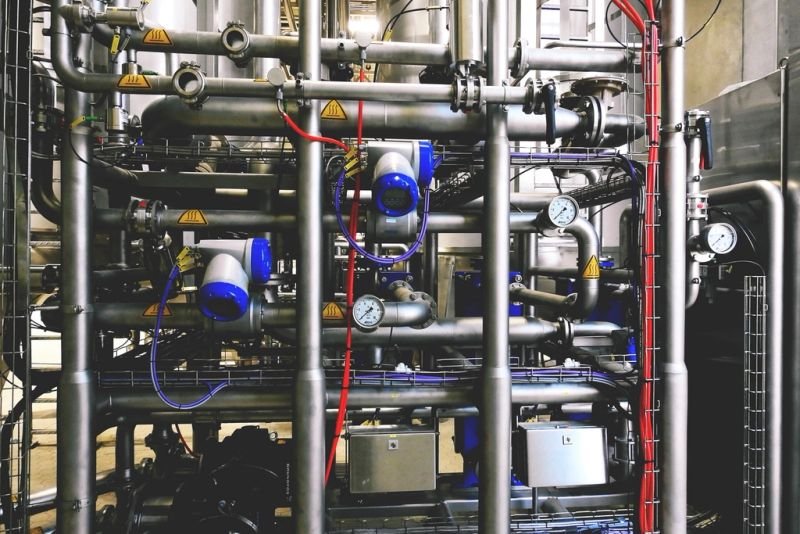
Tire Derived Fuel Recycling Pyrolysis Plant
- Estimate pricingPrice on request
- Oil yield45-52%
- Charcoal yield30-35%
- Gas yield15%
Your request goes to Doinggroup. Follow up with them in Messages on Global Trade Plaza.
Products Description
More than 250 million scrap tires are generated annually in the United States and their proper management continues to be a solid waste management concern. Sound markets for scrap tires are growing and are consuming an ever increasing percentage of annual generation, with market capacity reaching more than 75 % of annual generation in 1996. Of the three major markets - fuel, civil engineering applications, and ground rubber markets - the use of tires as a fuel is by far the largest market. The major fuel users include cement kilns, pulp and paper mills, electrical generation facilities, and some industrial facilities. www(dot)wastetireoil(dot)com Scrap tires are an ubiquitous by-product of contemporary social and economic society. Our personal mobility is almost entirely dependent on the pneumatic tire, whether in automobiles, buses or even airplanes. The transport and delivery of most goods is also dependent on the pneumatic tire. To recall an old slogan of the American Trucking Association, "If you got it, a truck brought it", and it goes without saying that the truck was riding on pneumatic tires. The tire derived fuel recycling pyrolysis plant can effectively convert waste tire into fuels, like Oil, Carbon Black, and Hydrocarbon Gas etc. Here, the raw material is either waste tire or waste plastic. Then, the recycleables are heated from the reactor to be able to generate fuels, oil, and gas.www(dot)wastetireoil(dot)com 1.Using tire derived fuel recycling pyrolysis plant available for sale, stick to experience an excellent, eco-friendly & cost-effective solution for tyre recycling.www(dot)wastetireoil(dot)com 2.On an average, the entire pyrolysis process may lead to a yield of around 45-52% oil, 30-35% charcoal, and 15% gas. The oil produced is mainly made up of diesel, kerosene, benzene, fuel oil & heavy fuel oil. Hence, the produced oil may be further refined and useful for operating any vehicle.www(dot)wastetireoil(dot)com 3.The plant pollution has truly get to be the most problem nowadays. Obviously, scrap tire derived fuel pyrolysis plant give you a meaningful strategy to it while promoting an eco-friendly solution by reduction of the hazards of land pollution due to the waste tire.
Product Categories
Products Specification
- Oil yield45-52%
- Charcoal yield30-35%
- Gas yield15%



Get a quote from Doinggroup
Tire Derived Fuel Recycling Pyrolysis Plant from other sellers

More Tire Derived Fuel Recycling Pyrolysis Plant from Category


Post your requirement – Global Trade Plaza
Describe what you need once. Suppliers who deal in it see your requirement as a buy lead and can send you offers.



Other Products from Seller


Buy Online Wholesale Tire Derived Fuel Recycling Pyrolysis Plant from Supplier & Exporter in
The Tire Derived Fuel Recycling Pyrolysis Plant converts waste tires or plastic into fuels such as oil, carbon black, and hydrocarbon gas. The process involves heating raw materials in a reactor to generate usable outputs. On average, the pyrolysis yield is 45-52% oil, 30-35% charcoal, and 15% gas.
Import Wholesale Tire Derived Fuel Recycling Pyrolysis Plant for Your Business Needs
The seller has not added a specification yet; ask for the data sheet or test certificate. Ask Doinggroup for a firm quote and delivery terms before you order.
About Supplier
Doinggroup is a B2B supplier based in China, listed on Global Trade Plaza since October 2026. Use Inquire now or Chat with supplier to ask Doinggroup for prices, specifications and documents for Tire Derived Fuel Recycling Pyrolysis Plant.
Supplier Details for Tire Derived Fuel Recycling Pyrolysis Plant
- Member since - Oct 2026
- Business Type - Contact Seller
- Deals in Product Type - Industrial Machinery
- Country - China
Frequently Asked Questions (FAQs) on Tire Derived Fuel Recycling Pyrolysis Plant
1. What is the Seller’s Policy on Payment for Tire Derived Fuel Recycling Pyrolysis Plant?
Ask Doinggroup which payment terms they accept for Tire Derived Fuel Recycling Pyrolysis Plant. Agree the payment terms in writing with the supplier before you pay.
2. How to Place an Order for Tire Derived Fuel Recycling Pyrolysis Plant with Doinggroup?
Click Get a quote to send your requirement to the supplier Use Chat with supplier to ask questions Post your requirement to hear from other suppliers too
Placing an order for Tire Derived Fuel Recycling Pyrolysis Plant with Doinggroup is quick and straightforward on Global Trade Plaza, a leading B2B marketplace for global buyers and suppliers. You can:
3. What Should You Consider When Buying Tire Derived Fuel Recycling Pyrolysis Plant Online in 2025?
Product specifications (material, durability, features) Quality certifications and compliance Supplier credibility and customer reviews Minimum Order Quantity (MOQ) and bulk pricing Lead time and delivery timelines
When purchasing Tire Derived Fuel Recycling Pyrolysis Plant from a B2B marketplace in 2025, focus on the following critical factors:
Comparing prices and communicating directly with Doinggroup can help ensure value for money and better sourcing decisions.
4. Who Are the Top B2B Importers and Buyers of Tire Derived Fuel Recycling Pyrolysis Plant on Global Trade Plaza?
Visit the Buy Leads section Filter by industry, product type, or country Create an account to access full buyer contact details
Global Trade Plaza is home to B2B buyers, wholesalers, distributors, and importers of Tire Derived Fuel Recycling Pyrolysis Plant across industries and countries. To discover the most active and high-value buyers:
5. What is the Port of Dispatch, Estimated Price, and Packaging Type Offered by Doinggroup?
Doinggroup, a B2B supplier from China, dispatches Tire Derived Fuel Recycling Pyrolysis Plant primarily through the port at China. Packaging types (e.g., bulk, custom, eco-friendly) and estimated pricing may vary based on order volume and destination. To get detailed logistics and pricing information, use Get a quote or Chat with supplier, or Sign Up for direct supplier interaction.






Explore Top Product Categories
- Alcohol Based Hand Sanitizer
- Paper Soap
- Antibacterial Hand Wash
- Cosmetic Kits
- Detergent Chemicals
- Industrial Chemicals
- Laboratory Chemicals
- Leather Chemicals
- Car Accessories
- Motorcycle Parts
- Automobile Brakes Spare Parts
- Motorcycle, Scooters & ATV Bikes
- Building Construction Machineries & Equipments
- Bricks
- Cupboards, Door, Gates, Grills & Windows
- Wall Tiles
- Filters, Water Treatment Plants
- Household Cleaning Products
- Wiping Rags, Mops, Dusters, Sponge, Brushes, Scourer
- Soap & Detergent
- Industrial Gears & Gear Boxes
- Machined Components
- Bolts
- Nuts
- Food Packaging Bags
- Wooden Packaging Boxes
- Offset Printing Machinery & Equipments
- Packaging Machinery
Related Products
Tyre Doubling & Unpacking MachineTire DoublerTyre Pyrolysis : The Another Tire Recycling WayTyre Compression MachineSale Continuous Tyre Pyrolysis PlantContinuous Waste Plastic Pyrolysis PlantPyrolysis PlantABG MachineEMG MachineZLG560 Biomass Pellet MachineSell Like Hot Cakes Feed Pellet Machine Zlhm250River Sand DryerFiber Laser Marking MachineDot peen Pneumatic Marking machine840 Roof Tile Rolling Forming MachineXH1025 Colored Steel Roofingtile Press EquipmentShutter Door Gear Driven Rolling Forming Machine970 Colored Steel Roof Tile Press EquipmentJCH820 Metal Roofing Panel Roll Forming Machine850 Galvalume Corrugation Roof Panel MachineBuilding Material Matel Roof Forming Machine850 /840 Double Layer Roll Forming MachineRidge Cap Roll Forming MachineXH 820 Glazed Metal Tiles Roll Forming Machine35-130-780 Corrugated Metal Roof Machine13-65-850 Colored Steel Roof Roll Making Machine750 Ibr Color Steel Sheet Roll Forming Machine
Related Categories
Industrial MachineryJute Raw Material & MachineryChemicals & Allied ProductsPackaging ProductsIndustrial SuppliesMarine Equipment & MachineryMetallic ElementsNon Metallic ElementsPetroleum, Oil & Related ProductsPower PlantsRefrigeration, Cold StorageRubber & Related ItemsTools & InstrumentsRaw & Processed LeatherIndustrial goods & chemicalCoir FibersCoir MachineryCoir MatAcetic Acid (Vinegar)Adhesive, Sealants & LubricantsAgricultural ChemicalsAcrylic BoxesAir Bubble BagsAluminium ContainersAbrasivesAnchorsBattery Scraps