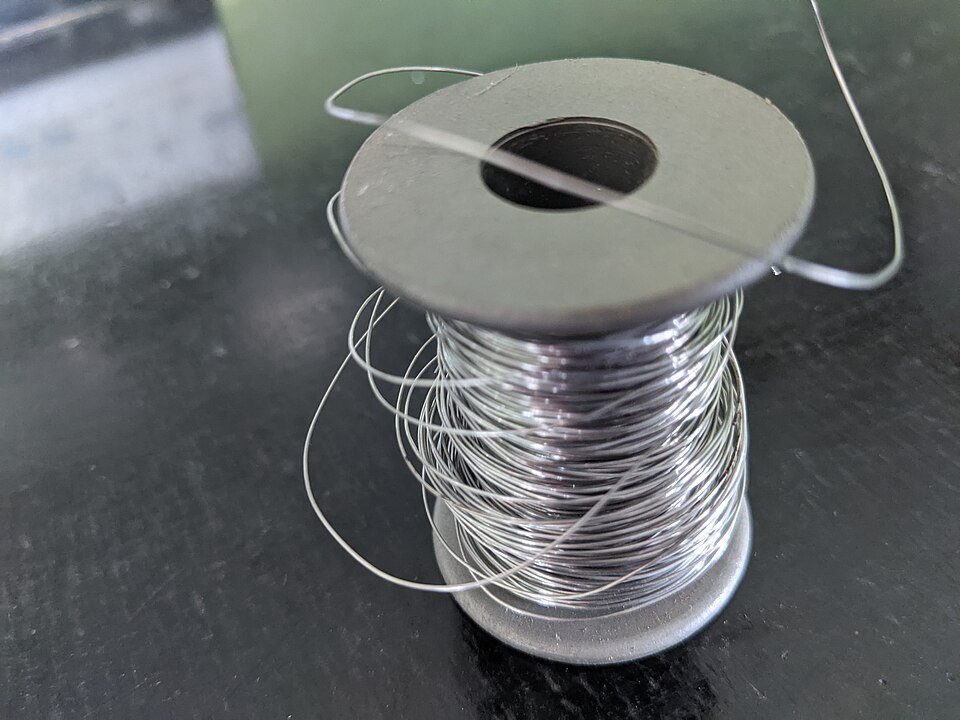
Stainless steel wire mesh
- Port of dispatchChina
- Estimate pricing$ 11.7 – $ 450.75Est. category range
- AvailabilityIn stock
- Grade/Alloy302, 304, 304L, 316, 316L
- FormWoven wire mesh in rolls or cut panels
- StandardASTM A580 / A580M, ASTM E2016
- Surface FinishBright annealed, polished, or electropolished
Products Description
Stainless steel wire mesh Material¦ 302 304 304l 316 316l Performance¦acid and alkali resistance, high temperature resistance, wear resistance, strong rally.
Product Categories
Products Specification
- Grade/Alloy302, 304, 304L, 316, 316L
- FormWoven wire mesh in rolls or cut panels
- Dimensions/ThicknessConfirm with supplier
- StandardASTM A580 / A580M, ASTM E2016
- Surface FinishBright annealed, polished, or electropolished
- Tolerance±5% on aperture size (ASTM E2016)
- PackagingPlastic-wrapped rolls on cardboard cores, or flat-stacked in wooden crates
- MOQ BasisRolls: 50 meters minimum; panels: 10 sheets minimum (confirm with supplier)
- HS CodeConfirm with supplier
- Mesh Count Range1 - 600 mesh (1 - 600 openings per inch)
- Working TemperatureUp to 425°C (304) or 550°C (316L)
- Aperture Size Range0.02 mm to 10 mm (confirm with supplier)



Inquire now
Related Products



Post your requirement – Global Trade Plaza
Other Products from Seller
More Stainless steel wire mesh from Category






Stainless steel wire mesh from other sellers




Buy Online Wholesale Stainless steel wire mesh from Supplier & Exporter in China
Stainless steel wire mesh is a versatile filtration and screening material used across industrial, architectural, and food-processing applications. Its corrosion-resistant alloys and tight weave patterns make it suitable for environments requiring durability under heat, chemicals, or mechanical stress.
Available in multiple grades like 304 and 316L, this mesh balances strength, permeability, and longevity - ideal for sieving, separating, or reinforcing composite structures. The woven construction ensures consistent aperture sizes for reliable performance in batch or continuous processes.
Ordering wholesale quantities delivers cost efficiency for large-scale projects, especially when customized dimensions or finishes are required. Always verify alloy suitability for your specific application, as environmental exposure and cleaning cycles influence long-term performance.
Import Wholesale Stainless steel wire mesh for Your Business Needs
Best Fit & Nearest Alternatives
Best suited for:
- Food & beverage processing (304 or 316L)
- Chemical filtration
- Architectural screening
- Pharmaceutical and medical applications
- High-temperature environments
Not ideal for:
- Ultra-fine filtration below 1 micron (requires specialized membranes)
- Highly abrasive slurries that may accelerate wear
- Outdoor use in coastal areas without additional protective coatings
304 offers strong general corrosion resistance at lower cost; 316L adds superior chloride resistance and is preferred for marine or acidic environments.
What Drives the Price
- Alloy grade (316L commands a premium over 304 or 302)
- Mesh count and wire diameter (finer weaves increase labor and material costs)
- Roll width and length (wider or longer rolls require more material and handling)
- Surface treatment (electropolished or coated finishes add value)
- Order volume and MOQ compliance (bulk orders reduce per-unit cost)
Pricing scales with minimum order quantities and volume tiers. Request a quote based on your target dimensions and annual usage to confirm tiered pricing.
Lead Time, Shipping & Returns
- Lead time: Typical lead times range from 15 to 45 days post-order confirmation, depending on alloy availability, mesh specifications, and order size. Confirm exact timelines directly with the supplier.
- Shipping: Standard shipping modes include sea freight for bulk orders and air freight for urgent, smaller quantities. Packaging is designed for export durability - usually rolled on cardboard cores and wrapped in protective film or kraft paper.
- Returns & defects: Defective material may be returned within 7 - 14 days of delivery if not conforming to agreed specifications, subject to inspection. Claims require photographic evidence and supplier approval. Freight for returns is typically at buyer expense unless defect is confirmed.
Handling & Application Notes
- Wear gloves when handling raw mesh to avoid cuts; sharp edges are common in cut-to-size panels.
- Avoid bending or folding mesh along weave lines to prevent aperture distortion - use proper framing or tensioning systems.
- Clean with mild detergent and soft brush; harsh chemicals or abrasive pads can damage surface finish and corrosion resistance.
About Supplier
Anping Haotong Wire Mesh Co., Ltd is a manufacturer and exporter based in Anping County, Hebei Province, China, specializing in stainless steel wire mesh production since 2005.
The company operates integrated facilities for weaving, finishing, and quality inspection, supplying industrial buyers globally. Certifications include ISO 9001:2015; ask the supplier for detailed documentation as needed.
Supplier Details for Stainless steel wire mesh
- Established - 12 Jun, 2025
- Business Type - Manufacturer
- Deals in Product Type - Industrial Supplies - Wire Mesh & Screens
- Country - China
Frequently Asked Questions (FAQs) on Stainless steel wire mesh
1. Can this mesh be used in saltwater filtration systems?
316L is recommended for saltwater applications due to superior chloride resistance; confirm alloy compatibility with your system’s operating conditions.
2. What is the maximum continuous operating temperature for 304 mesh?
304 mesh is generally suitable for continuous use up to 425°C. Beyond this, consider 316L for higher thermal loads.
3. Is electropolished mesh available for food-grade applications?
Yes, electropolished 316L mesh meets food-grade hygiene standards and is commonly used in dairy, brewing, and pharmaceutical filtration.
4. How should I specify aperture size when ordering?
Specify mesh count (e.g., 100 mesh) or actual aperture opening in mm; both are standard in the industry. Confirm measurement method with the supplier.
5. Can you provide mesh with a custom edge finish?
Yes, custom edge treatments such as rolled, folded, or welded edges are available upon request. Discuss your requirements during order confirmation.
6. What is the standard width for mesh rolls?
Standard roll widths vary from 300 mm to 2000 mm. Custom widths may be available; confirm feasibility with the supplier.
7. Is the mesh suitable for high-pressure gas filtration?
Yes, provided the mesh is properly supported and aperture size is selected for the particle retention required. Consult the supplier for pressure drop calculations.
8. Do you offer metallurgical certification with each order?
Metallurgical test reports (MTRs) can be provided upon request. Ask the supplier to include relevant documentation with your shipment.
Explore Top Product Categories
- Alcohol Based Hand Sanitizer
- Paper Soap
- Antibacterial Hand Wash
- Cosmetic Kits
- Detergent Chemicals
- Industrial Chemicals
- Laboratory Chemicals
- Leather Chemicals
- Car Accessories
- Motorcycle Parts
- Automobile Brakes Spare Parts
- Motorcycle, Scooters & ATV Bikes
- Building Construction Machineries & Equipments
- Bricks
- Cupboards, Door, Gates, Grills & Windows
- Wall Tiles
- Filters, Water Treatment Plants
- Household Cleaning Products
- Wiping Rags, Mops, Dusters, Sponge, Brushes, Scourer
- Soap & Detergent
- Industrial Gears & Gear Boxes
- Machined Components
- Bolts
- Nuts
- Food Packaging Bags
- Wooden Packaging Boxes
- Offset Printing Machinery & Equipments
- Packaging Machinery
Related Products
Stainless steel handleStainless steel valve--TeeStainless steel welded wire meshStainless steel door handleStainless steel hand sprayer mt-5Stainless steel coilsStainless steel nerf barStainless steel kitchen sink (401)Stainless steel pipeStainless steel barStainless steel pipe 3Stainless steel pipe 4Stainless steel wireAustenitic stainless steel seamless pipeStainless steel towel warmerStainless steel valveStainless steel ringStainless steel castingsStainless steel wire cable meshStainless steel wipersStainless steel wireSeamless welded austenitic stainless steel pipeStainless steel tubeCold draw stainless steel pipeSeamless stainless steel tubeFull stainless steel solar water heaterStainless steel wire rope
Related Categories
Stainless SteelAluminium AlloyAluminium AshAluminium BallsAluminium BilletsAluminium Boring ScrapAluminium Bronze ScrapAluminium Cable ScrapAluminium Can ScrapAluminium Casting ScrapAluminium Coil ScrapAluminium DrossAluminium ExtrusionAluminium Extrusion ScrapAluminium Foil ScrapAluminium Plates ScrapAluminium PowderAluminium Radiator ScrapAluminium ScrapAluminium Shredded ScrapAluminium Tense ScrapAluminium UBC ScrapAluminium Wheel ScrapAluminium Wire ScrapAluminumAluminum BarsAluminum Caps