
Scrap Steel
- Estimate pricing$ 1 – $ 1.88Est. category range
- AvailabilityIn stock
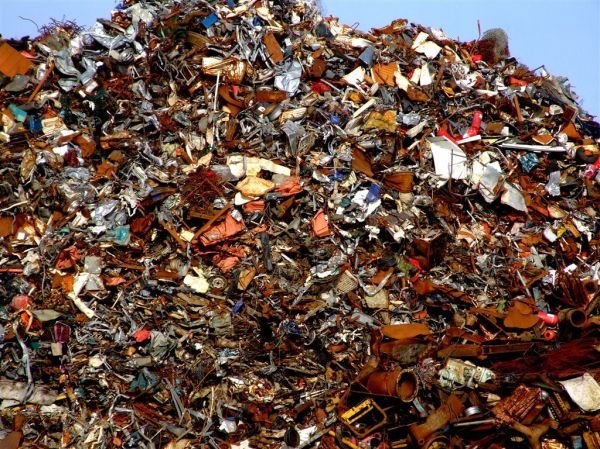
- Grade/AlloyMixed carbon steel (primarily HMS 1 & 2)
- FormBaled, shredded, sheared, or loose
- Dimensions/ThicknessTypical thickness: 1 - 12 mm; shredded: <300 mm
- StandardASTM A39 scrap specifications (typical reference)
Products Description
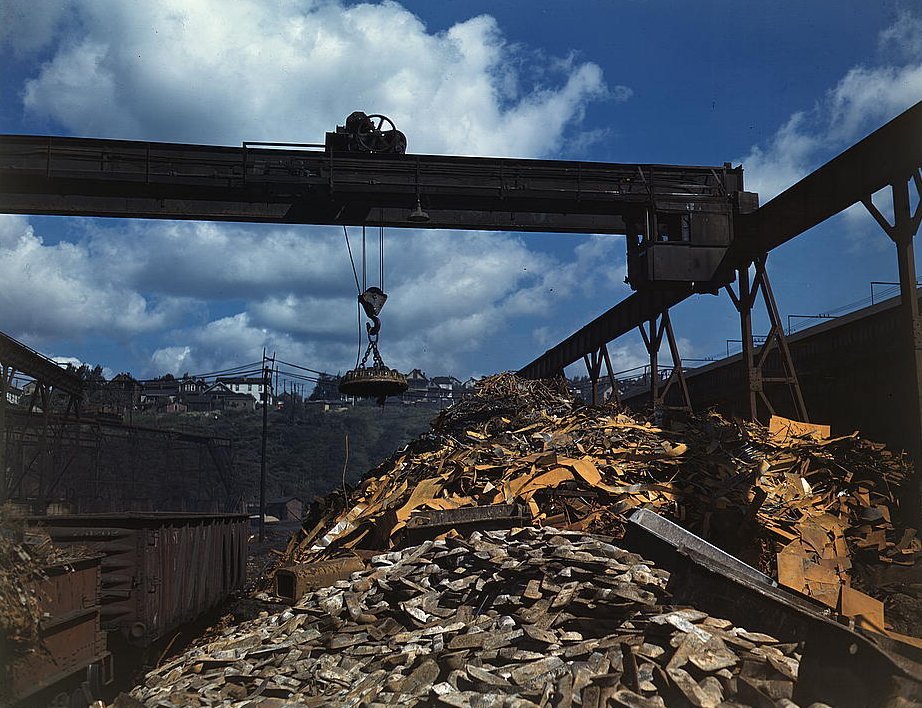
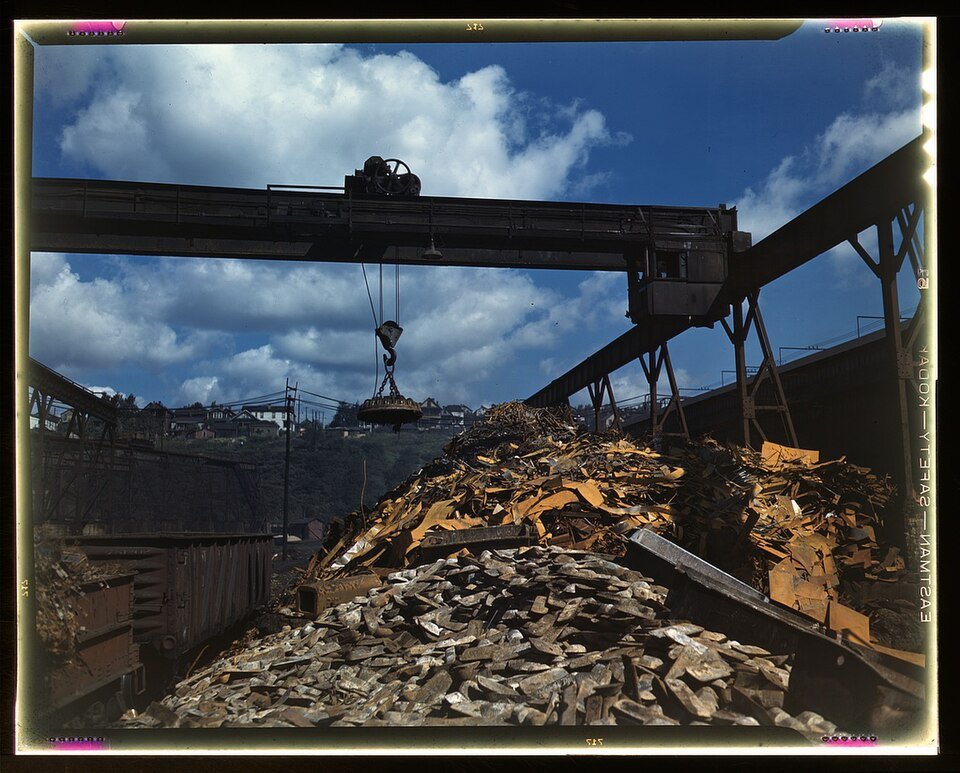
Product Description : Scrap Steel Price of product ( USD price or FOB price) : Please inquire within for current market prices. Product origin : Worldwide. Origin will be determined at time of inquiry. Key Specifications/Special Features : HMS Type 1 and 2 Minimum Order Size and Packaging details : Inquire within for MOQ and packaging details.
Product Categories
Products Specification
- Grade/AlloyMixed carbon steel (primarily HMS 1 & 2)
- FormBaled, shredded, sheared, or loose
- Dimensions/ThicknessTypical thickness: 1 - 12 mm; shredded: <300 mm
- StandardASTM A39 scrap specifications (typical reference)
- Surface FinishOily, painted, or clean; acceptable rust levels vary by origin
- ToleranceContamination: <5% non-ferrous by weight (typical target)
- PackagingBales, bulk in containers or trucks, or loose bulk
- MOQ BasisPer container or per truckload; smaller lots negotiable
- HS Code7204
- Residual Alloy ContentCopper <0.3%, Tin <0.05% (typical target)
- Moisture ContentTypically <1% by weight
- DensityApprox. 1.5 - 2.2 t/m³ depending on form and bale density



Inquire now






Post your requirement – Global Trade Plaza
Other Products from Seller
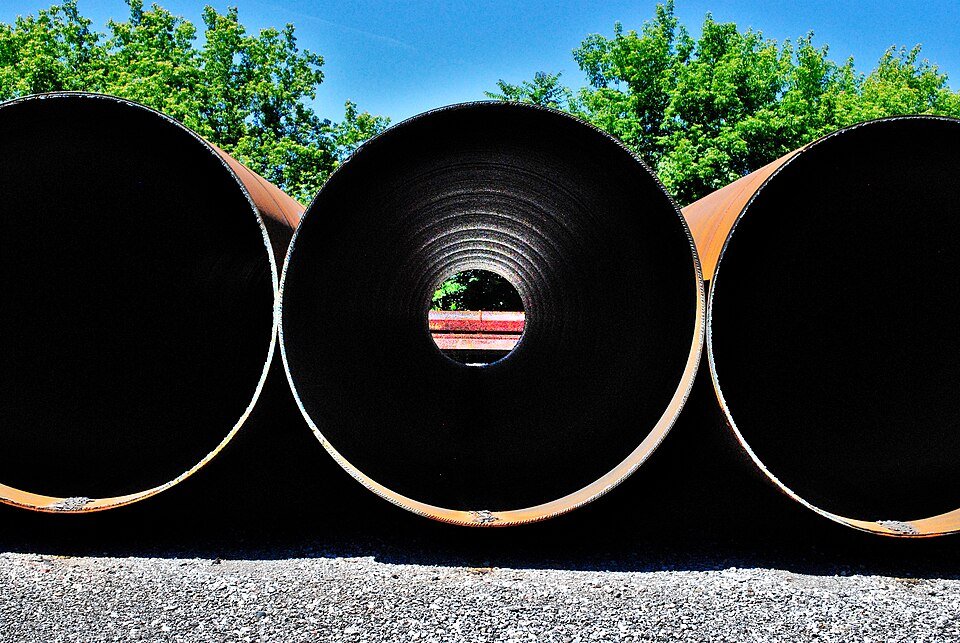

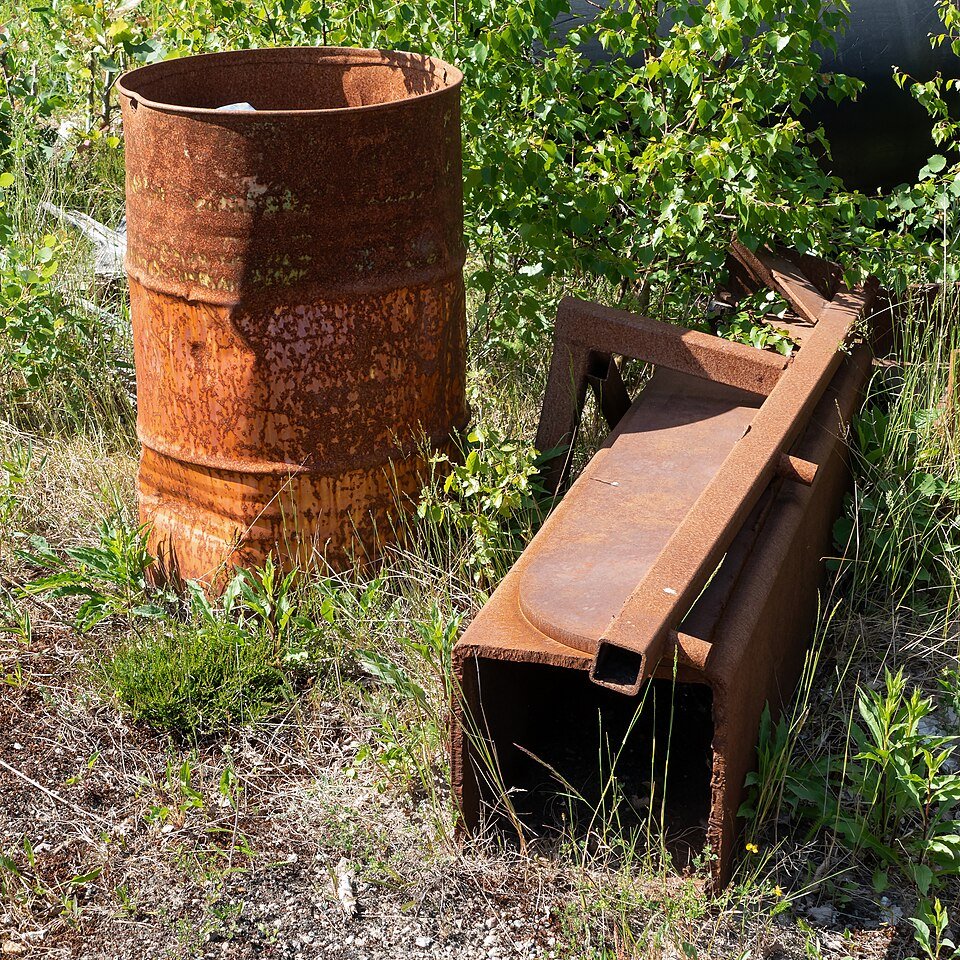




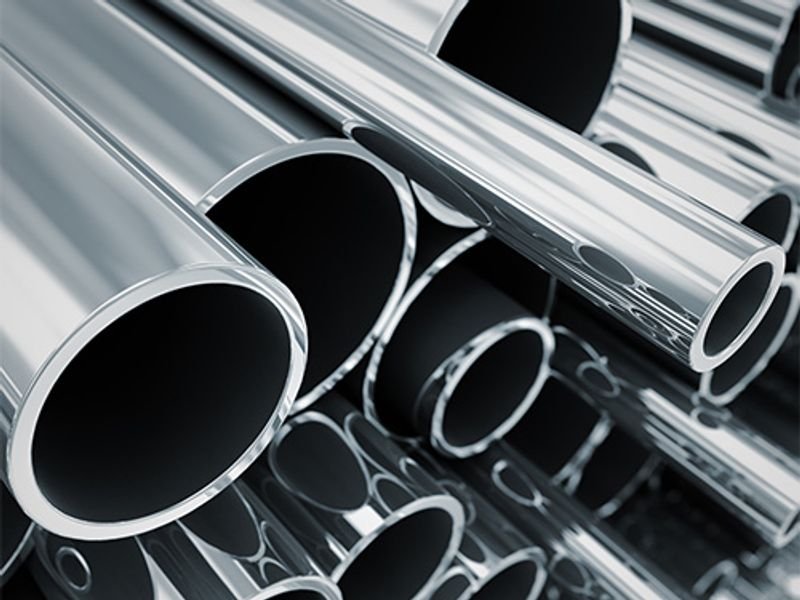
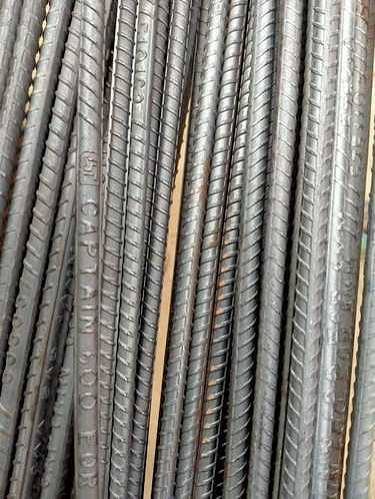
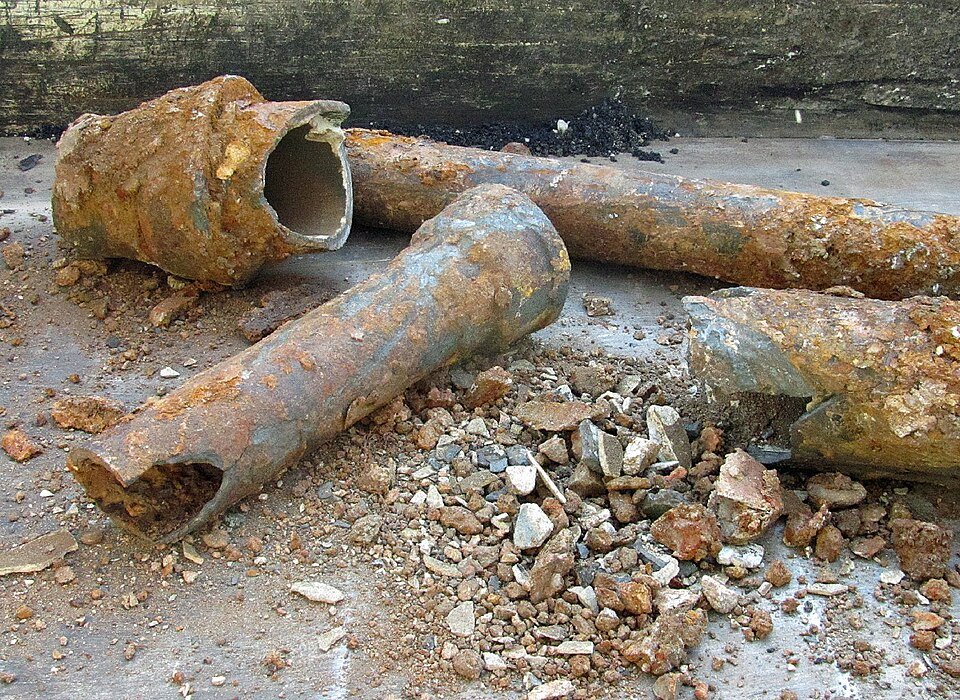


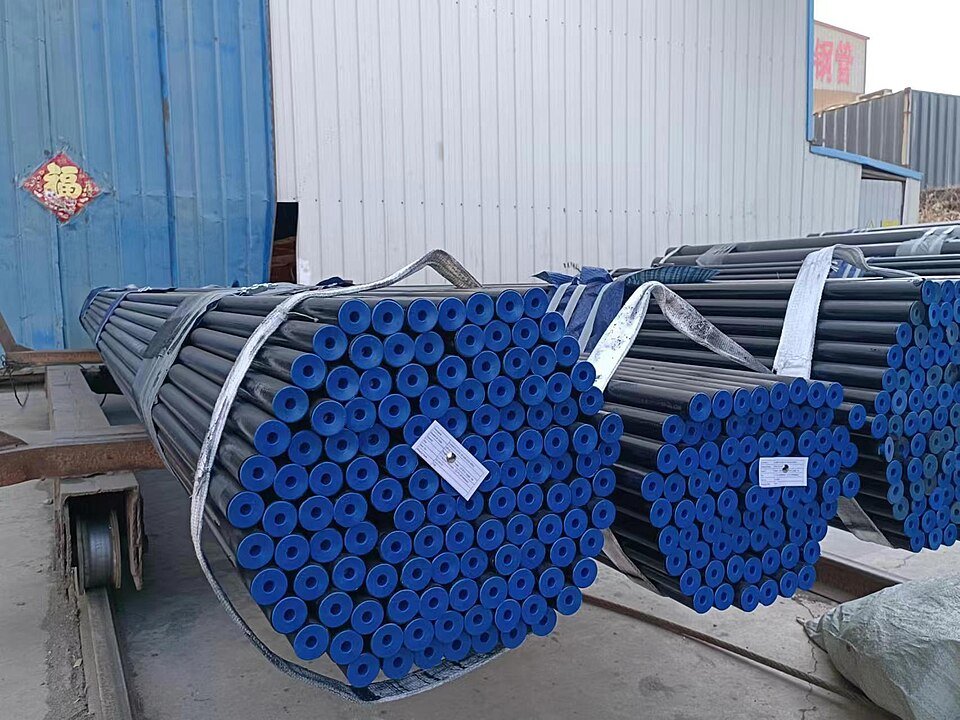

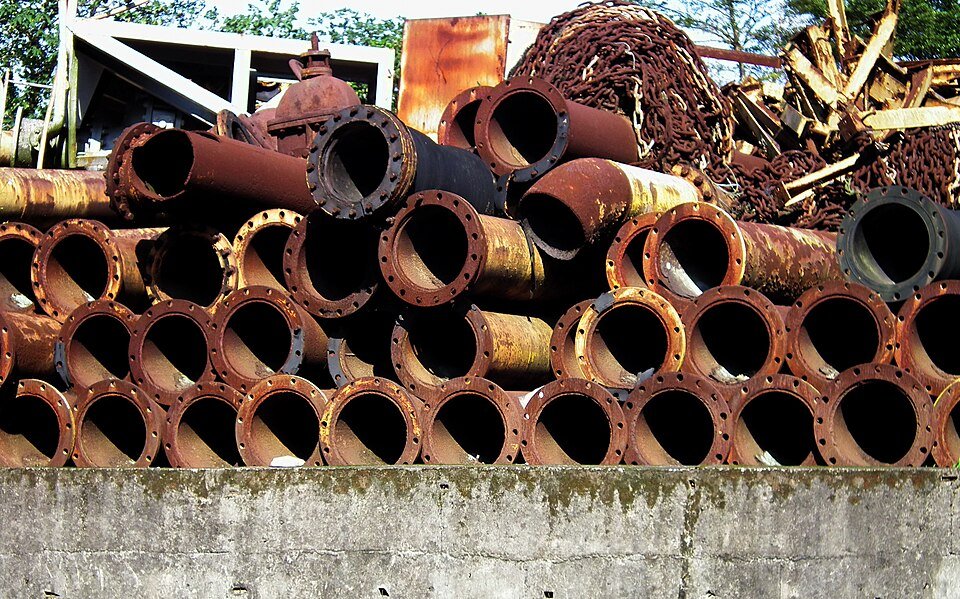





















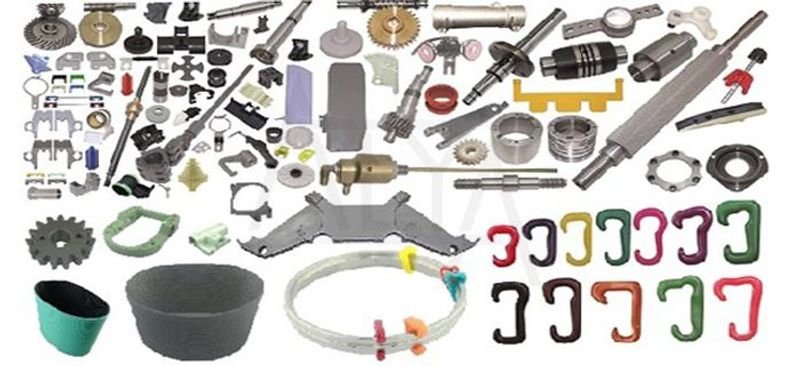
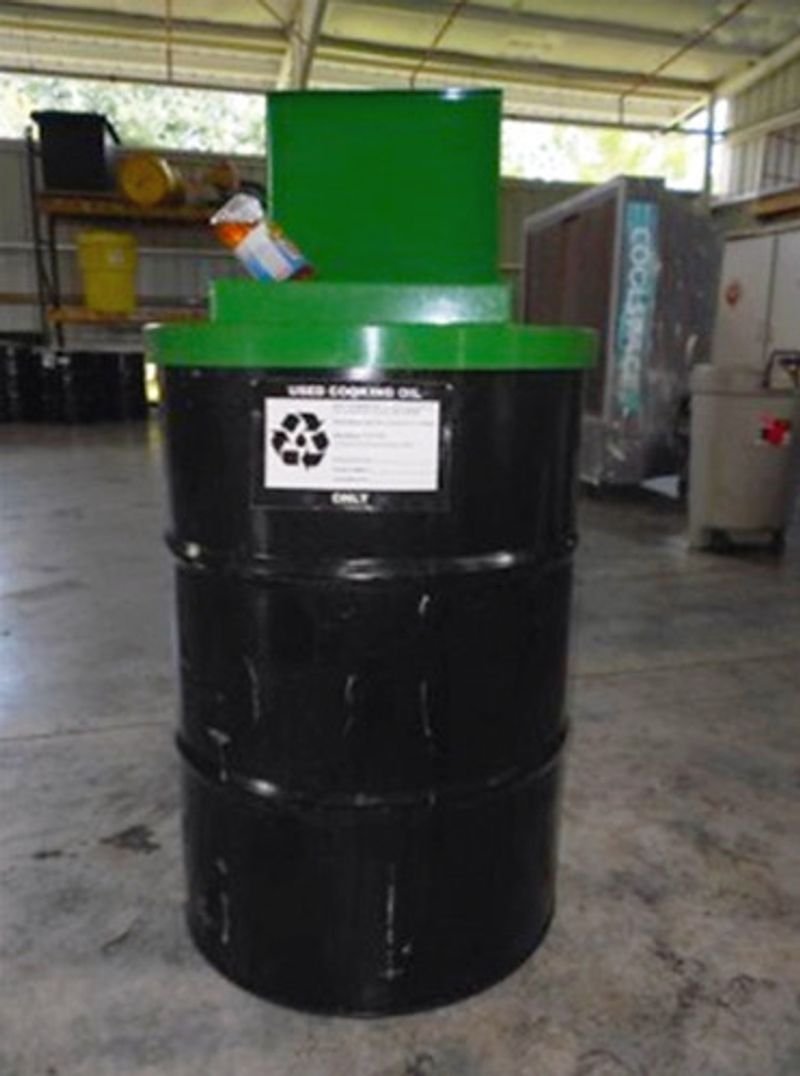


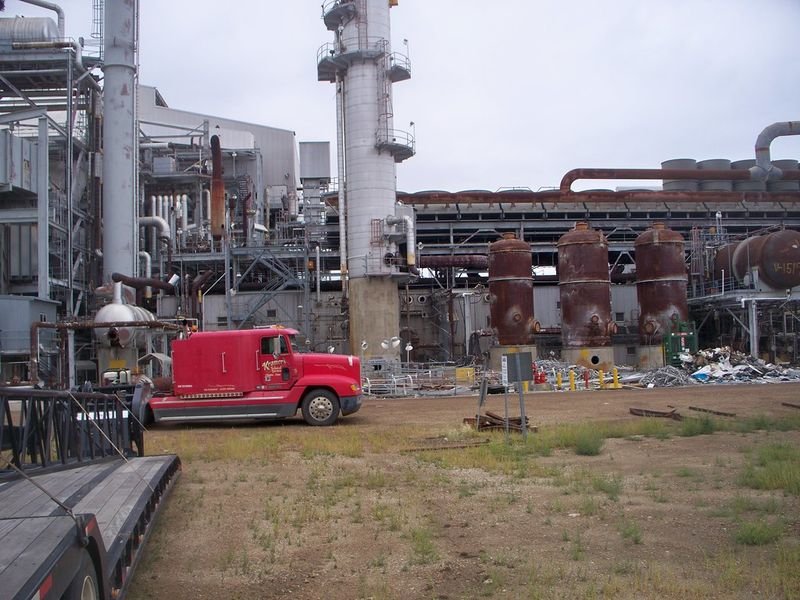




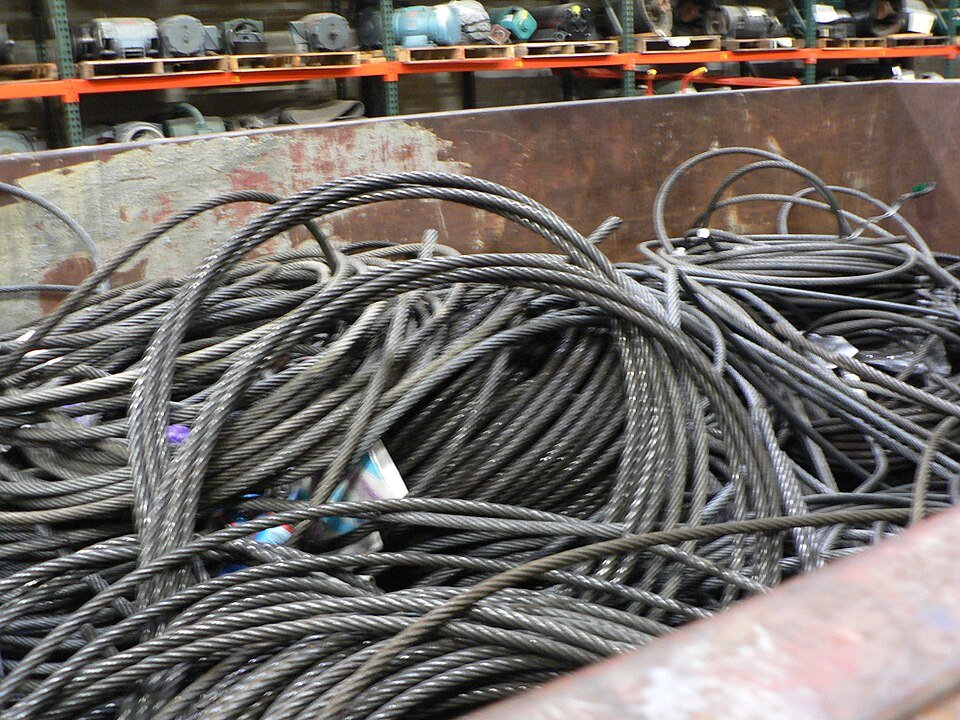


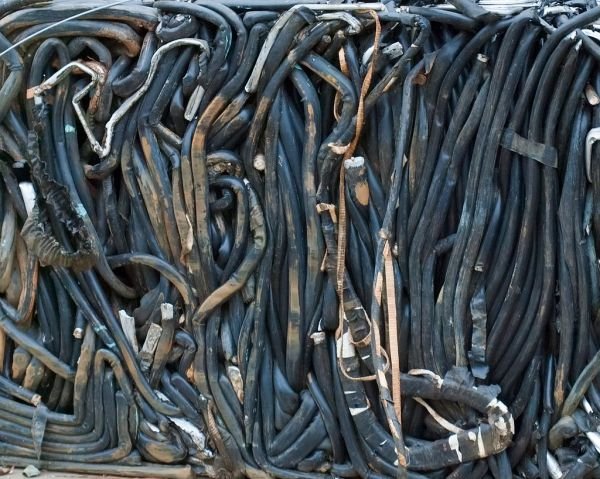
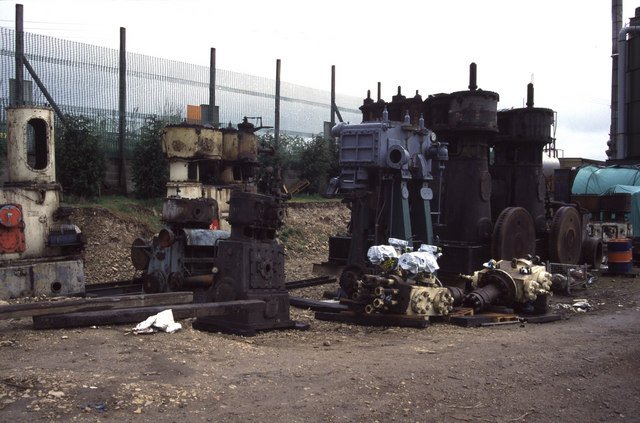
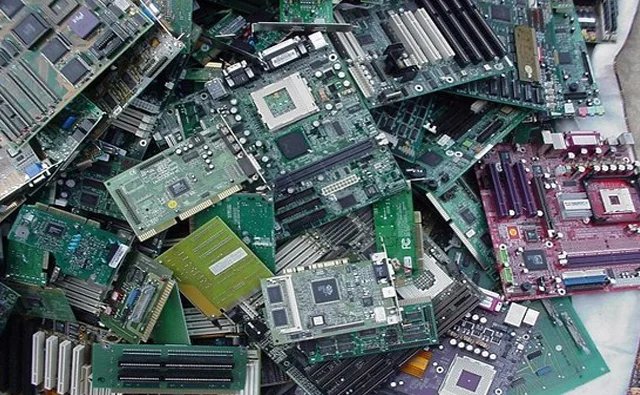

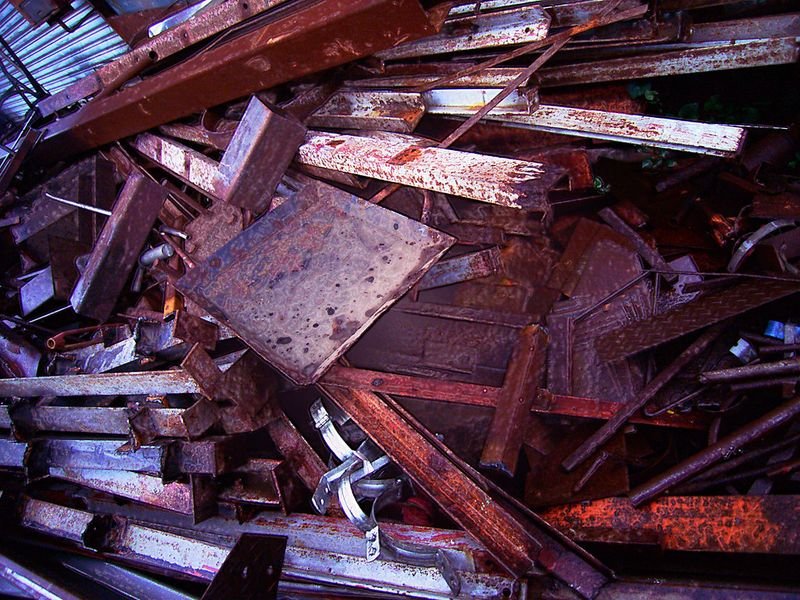










Buy Online Wholesale Scrap Steel from Supplier & Exporter in Canada
Scrap steel is a critical secondary raw material for steel mills, foundries, and downstream metal processors. Sourced primarily from post-consumer and post-industrial streams, it provides a cost-efficient alternative to virgin iron ore while reducing environmental impact. Buyers in industries such as construction, automotive, and heavy machinery rely on consistent scrap supply to stabilize production cycles and manage costs.
This import-grade scrap is typically aggregated from Canadian dismantling, demolition, and manufacturing sources. It arrives in mixed formats and is often upgraded via shearing, sorting, and baling to meet end-user specifications. Purity levels and contamination rates vary by source, so pre-shipment inspection and certification are recommended.
Available in bulk loads via container, loose truck, or rail car depending on volume and origin. Quality consistency is ensured through visual and magnetic separation at origin, with further refinement possible on request. Buyers should align grade expectations with downstream processing capabilities to avoid additional handling or re-melting costs.
Import Wholesale Scrap Steel for Your Business Needs
Best Fit & Nearest Alternatives
Best suited for:
- Steel mills requiring feedstock for electric arc furnaces (EAF)
- Foundries producing cast iron components
- Metal recyclers upgrading material for export or domestic reuse
- Manufacturers seeking low-cost iron units for alloying
Not ideal for:
- Applications requiring certified aerospace-grade alloys
- Precision strip or sheet metal fabrication
- High-purity stainless steel production
This mixed scrap grade offers lower cost per ton than prime industrial scrap but may require additional processing to meet stringent chemistry targets. Compared to shredded automotive scrap, it typically contains less copper and tin contamination, improving melt efficiency.
What Drives the Price
- Global steel demand and scrap export quotas
- Contamination levels and residual alloy content
- Proximity to processing or melting facilities
- Freight distance from origin and shipping mode
Pricing scales with order size and frequency. Discounts are common above bulk thresholds; request a custom quote based on your monthly or annual volume commitment. Smaller lots may incur surcharges for sorting and handling.
Lead Time, Shipping & Returns
- Lead time: Typical lead time ranges from 2 to 6 weeks from order confirmation to vessel or truck loading, depending on origin inspection, customs clearance, and shipping schedule. Confirm with supplier for exact timing.
- Shipping: Available via bulk ocean freight (20 - 40 ft containers or break-bulk vessels), rail, or road transport. Containerized shipments are ideal for smaller volumes; loose bulk is standard for larger orders.
- Returns & defects: Returns are uncommon due to bulk nature and pre-shipment sorting. Defects or off-spec material are addressed through supplier credit or replacement after on-site inspection and lab analysis. Buyers should conduct incoming inspection for size, cleanliness, and alloy mix before processing.
Handling & Application Notes
- Store in covered areas to prevent moisture absorption and oxidation, which can reduce yield and increase energy costs during melting.
- Segregate by grade and contamination level to improve melt efficiency and reduce slag formation.
- Use magnetic separation to remove non-ferrous contaminants before charging into furnaces.
About Supplier
TQM Energy Consultants Inc. is a Canada-based trader and exporter specializing in ferrous scrap sourcing and logistics. With over 15 years in the sector, they aggregate material from certified dismantlers and industrial generators across eastern and central Canada.
They operate under ISO 9001 quality management systems and maintain a network of processing partners to meet buyer specifications. All shipments are accompanied by origin documentation and compliance declarations as required by import regulations. Buyers are encouraged to audit facilities and review upstream sourcing practices before large-volume commitments.
Supplier Details for Scrap Steel
- Established - 5 May, 2021
- Business Type - Trader
- Deals in Product Type - Electric Components, Electric Power, Turbines, Construction Equipment & Machinery, Construction Materials
- Country - Canada
Frequently Asked Questions (FAQs) on Scrap Steel
1. What are the typical copper and tin limits in this scrap grade?
Typical targets are copper below 0.3% and tin below 0.05% by weight. Excessive levels can affect steel quality and require dilution with higher-grade scrap. Confirm with supplier for exact analysis per lot.
2. Can this scrap be used directly in an electric arc furnace without pre-treatment?
Yes, if the size and contamination levels meet your furnace requirements. Smaller shredded material is ideal for EAF feed. Larger sheared pieces may require pre-shredding or preheating. Confirm with supplier for furnace compatibility.
3. What documentation accompanies each shipment?
Shipments include a Certificate of Analysis (CoA) with base chemistry, bale weight tickets, and origin compliance statement. Additional documentation such as import permits or environmental declarations may be required depending on destination.
4. Is this scrap sourced from end-of-life vehicles or industrial demolition?
Primarily from a mix of post-industrial manufacturing offcuts and demolition scrap. The supplier maintains a diversified sourcing network to balance supply stability and quality consistency.
5. How is moisture content controlled during storage and transport?
Suppliers aim for <1% moisture by weight. Covered storage and tarp-covered transport are standard. Buyers should re-check moisture levels upon arrival, especially after extended transit in humid climates.
6. What are the main contaminants to watch for in this grade?
Non-ferrous metals (copper, aluminum, zinc), organics (plastic, rubber), and excessive rust or coatings. These reduce yield, increase energy use, and can cause operational issues in furnaces.
7. Does this scrap meet EU or US import standards for melting?
It aligns with common trade standards like ASTM A39 and EU 301/2015, but final acceptance depends on buyer-specific chemistry targets and local regulations. Review import requirements with your compliance team before ordering.
8. How is bale density measured and why does it matter?
Bale density is typically measured in kg/m³ and affects both freight cost and melt efficiency. Higher-density bales improve furnace charging and reduce energy loss. Target density is usually 1.8 - 2.0 t/m³ for EAF feed.
Explore Top Product Categories
- Alcohol Based Hand Sanitizer
- Paper Soap
- Antibacterial Hand Wash
- Cosmetic Kits
- Detergent Chemicals
- Industrial Chemicals
- Laboratory Chemicals
- Leather Chemicals
- Car Accessories
- Motorcycle Parts
- Automobile Brakes Spare Parts
- Motorcycle, Scooters & ATV Bikes
- Building Construction Machineries & Equipments
- Bricks
- Cupboards, Door, Gates, Grills & Windows
- Wall Tiles
- Filters, Water Treatment Plants
- Household Cleaning Products
- Wiping Rags, Mops, Dusters, Sponge, Brushes, Scourer
- Soap & Detergent
- Industrial Gears & Gear Boxes
- Machined Components
- Bolts
- Nuts
- Food Packaging Bags
- Wooden Packaging Boxes
- Offset Printing Machinery & Equipments
- Packaging Machinery
Related Products
Seamless Low Carbon Steel Heat Exchange TubesCopper Coated Low Carbon Steel Tube BrakeLow Carbon Steel Tube PrecisionAutomobile Zinc Coated Low Carbon Steel TubeSteam Boiler Steel TubesSeamless Cold Drawn Low Carbon Steel TubeCng High Pressure Low Carbon Steel TubeAutomobile Zinc Coated Low Carbon Steel TubeLow Carbon Steel Tube PrecisionUsed And Unused Surplus RailsWholesale Aluminium IngotsUb Can Scrap / 99.9% Wire Scrap Aluminum99.9% Aluminum Scrap 6063Natural Halaban Hardwood CharcoalElectrolytic Copper Cathode 99.99%100% Copper Wire ScrapsJaliJaliAluminium IngotHms 1 And 2 ScrapIron Ore 64% From BrazilSteel RebarsOffer Supply Of Tmt Bars Or Steel RebarsTmt BarsSteel BilletsMild Steel BilletsSteel Billets
Related Categories
Metal ProductsSteel ScrapsAluminium AlloyAluminium AshAluminium BallsAluminium BilletsAluminium Boring ScrapAluminium Bronze ScrapAluminium Cable ScrapAluminium Can ScrapAluminium Casting ScrapAluminium Coil ScrapAluminium DrossAluminium ExtrusionAluminium Extrusion ScrapAluminium Foil ScrapAluminium Plates ScrapAluminium PowderAluminium Radiator ScrapAluminium ScrapAluminium Shredded ScrapAluminium Tense ScrapAluminium UBC ScrapAluminium Wheel ScrapAluminium Wire ScrapAluminumAluminum Bars