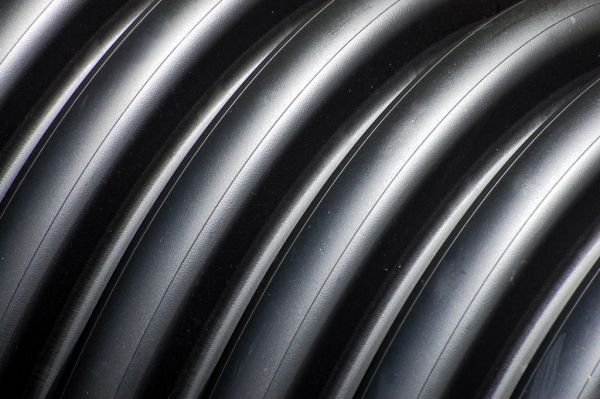
Rubber tube
- Port of dispatchMalaysia
- Estimate pricing$ 1 – $ 48.5Est. category range
- AvailabilityIn stock
- FormHollow cylindrical tube
- Dimensions/ThicknessID and OD vary by order; wall thickness available per customer specification
- StandardCustom per buyer request (no single industry standard specified)
- Surface FinishSmooth, uniform, suitable for medical and industrial applications
Products Description
Rubber tube Avalable in 5 different color. Different resistance base on different od & id and thickness. Maximum length 20 meter or pre cut as per customer request. Each roll packed in poly bag.
Product Categories
Products Specification
- Grade/AlloyConfirm with supplier
- FormHollow cylindrical tube
- Dimensions/ThicknessID and OD vary by order; wall thickness available per customer specification
- StandardCustom per buyer request (no single industry standard specified)
- Surface FinishSmooth, uniform, suitable for medical and industrial applications
- ToleranceDiameter and thickness tolerances per buyer specification; standard commercial tolerances apply unless otherwise agreed
- PackagingIndividual poly bag per roll; palletized or cartonized for shipment
- MOQ BasisPer roll or per order (confirm with supplier for exact MOQ)
- HS CodeConfirm with supplier
- Color Options5 standard colors (e.g., black, white, blue, red, green)
- Max LengthUp to 20 meters per roll or pre-cut as requested
- Material BaseRubber compound (type varies by application; confirm with supplier)



Inquire now
Related Products

Post your requirement – Global Trade Plaza
Other Products from Seller

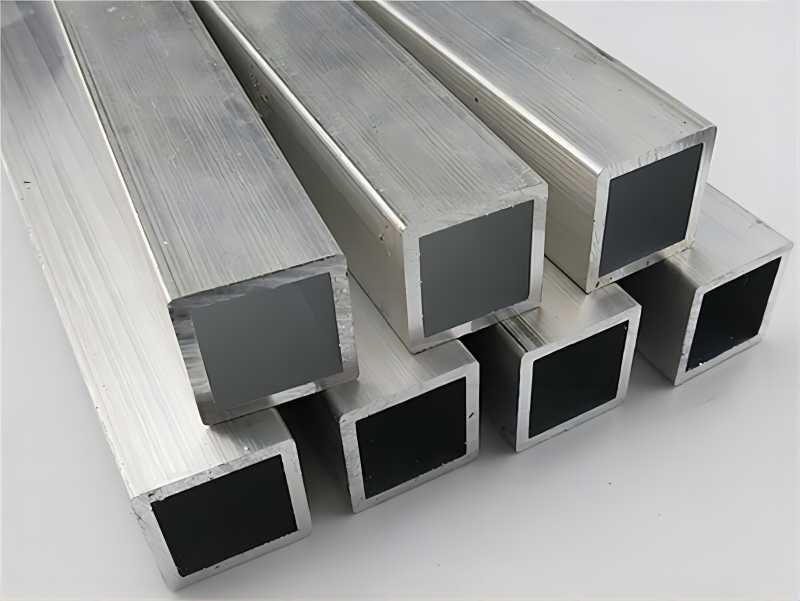
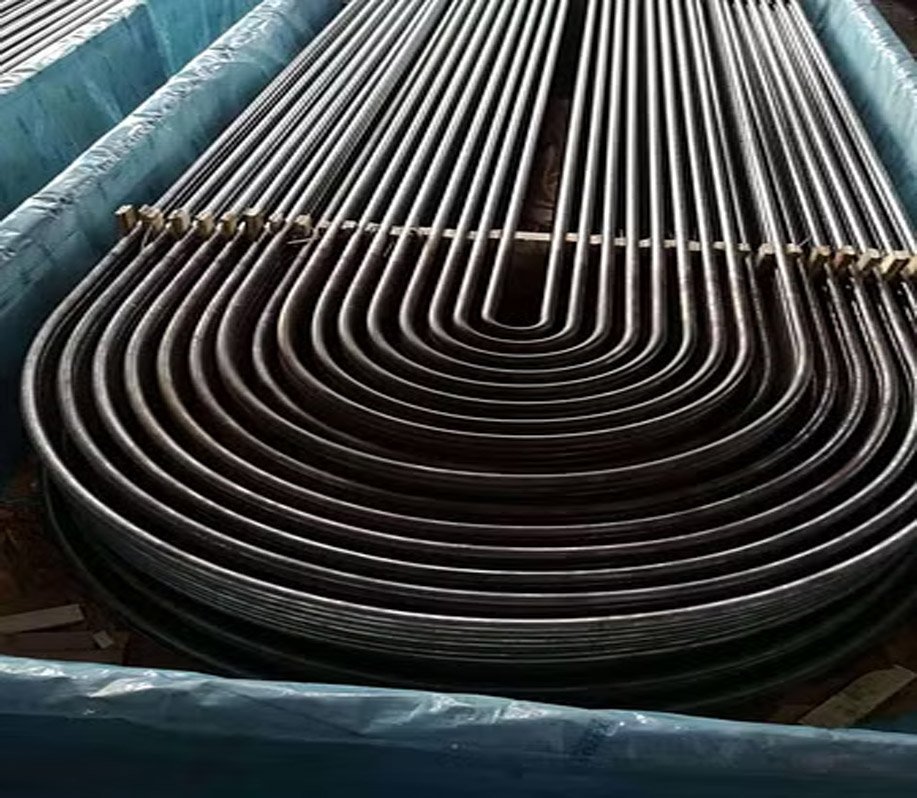
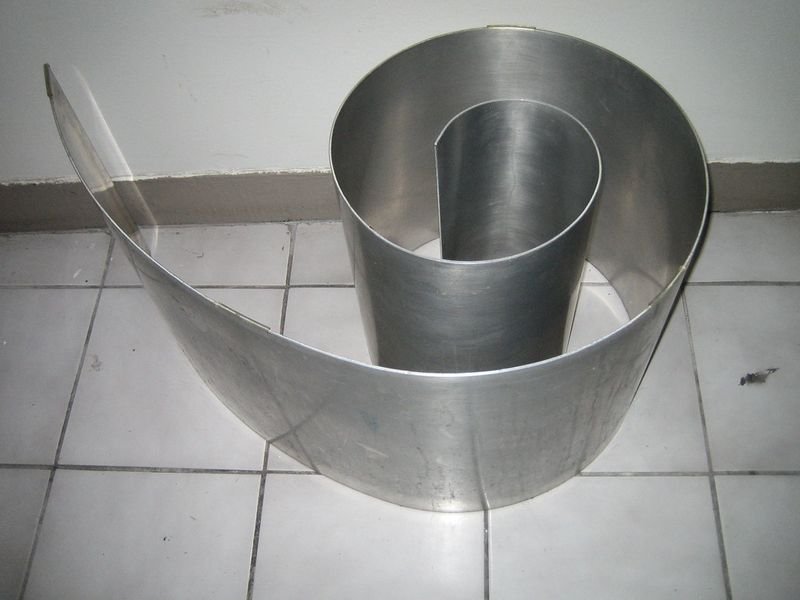








Rubber tube from other sellers




Buy Online Wholesale Rubber tube from Supplier & Exporter in Malaysia
Rubber tubes are flexible hollow cylinders designed for fluid transfer, pressure applications, or protective conduits in industrial and medical settings. Available in multiple colors and configurations, these tubes accommodate varying internal and external diameters (ID/OD) and wall thicknesses to suit specific performance requirements. Standard lengths reach up to 20 meters per roll, with custom pre-cut lengths available upon request to optimize logistics and reduce waste.
Sourced directly from Malaysia-based manufacturers, these tubes are produced under controlled conditions to ensure consistent quality and material performance. The product line supports diverse applications, from medical device assemblies to general industrial fluid handling, offering a balance of flexibility, durability, and chemical resistance. Surface finishes are smooth and uniform, enhancing compatibility with fittings and connectors.
Each roll is individually packaged in a sealed poly bag to protect against moisture, dust, and contamination during transit and storage. This packaging method preserves tube integrity and simplifies handling in warehouses and production environments. Custom branding or labeling options may be available depending on volume and supplier capabilities.
Import Wholesale Rubber tube for Your Business Needs
Best Fit & Nearest Alternatives
Best suited for:
- Medical device assemblies requiring biocompatible and non-toxic materials
- Industrial fluid transfer where flexibility and chemical resistance are essential
- Protective conduits for wiring or pneumatic lines in compact or dynamic systems
Not ideal for:
- High-pressure hydraulic applications without reinforcement (e.g., braided or spiral-wound tubes)
- Extreme temperature environments exceeding the material’s rated range (confirm with supplier)
- Applications requiring metal or rigid plastic alternatives for structural integrity
Compared to silicone tubes, this rubber grade offers higher abrasion resistance and lower cost per meter for standard IDs/ODs. Relative to PVC tubes, it provides superior flexibility and temperature tolerance but may require additional fittings for sealing.
What Drives the Price
- Tube dimensions (ID, OD, wall thickness) - thicker walls and larger diameters increase material use
- Material formulation (e.g., EPDM, natural rubber, or synthetic blends) - specialty compounds cost more
- Custom cut lengths, color matching, or certification requirements (e.g., medical-grade)
Pricing scales with minimum order quantity (MOQ) and volume tiers. Smaller batches incur higher per-unit costs due to setup and handling. Request a detailed quote based on your ID/OD, length, and color specifications.
Lead Time, Shipping & Returns
- Lead time: Typical lead time ranges from 7 to 21 days after order confirmation, depending on tube specifications and order volume. Custom colors or pre-cut lengths may extend this timeline. Confirm exact lead times with the supplier during quotation.
- Shipping: Shipment is typically via ocean freight for full container loads (FCL) or less-than-container loads (LCL), with air freight available for urgent or small orders. Packaging is palletized or cartonized based on volume and destination requirements.
- Returns & defects: Defective or non-conforming tubes may be returned within 7 - 14 days of delivery, subject to inspection and supplier approval. Buyers must provide evidence of defects (e.g., cracks, irregularities) and comply with return authorization procedures. Shipping costs for returns are usually borne by the buyer unless the defect is supplier-confirmed.
Handling & Application Notes
- Store tubes in a cool, dry environment away from direct sunlight and ozone sources to prevent premature aging.
- Avoid kinking during installation; use appropriate bend radii (minimum 5x tube OD) to maintain flow and structural integrity.
- For medical or food-grade applications, verify biocompatibility and sterilization compatibility with the supplier before use.
About Supplier
Medical Rubber Products Sdn Bhd is a Malaysia-based manufacturer specializing in custom rubber extrusions and tubing for medical and industrial markets. With in-house compounding and extrusion capabilities, the company serves OEMs and distributors globally.
The supplier holds ISO 13485 certification for medical-grade products and adheres to GMP practices. Production is supported by a quality management system that includes incoming material inspection, in-process monitoring, and final testing for dimensional accuracy and surface quality.
Supplier Details for Rubber tube
- Established - 12 Jun, 2025
- Business Type - Manufacturer
- Deals in Product Type - Industrial Rubber Products - Tubing
- Country - Malaysia
Frequently Asked Questions (FAQs) on Rubber tube
1. What is the typical shelf life of these rubber tubes?
Shelf life depends on the rubber compound and storage conditions. Most standard rubber tubes last 2 - 5 years when stored in cool, dry environments away from ozone, UV light, and chemicals. Confirm with the supplier for compound-specific guidance.
2. Can the tubes be sterilized for medical use?
Yes, many of our rubber tubes are compatible with ethylene oxide (EtO), gamma radiation, or autoclave sterilization. Sterilization compatibility must be confirmed with the supplier based on the specific compound and intended use.
3. What is the temperature range for continuous use?
Standard rubber tubes typically operate between -40°C and +100°C. High-temperature or specialty compounds may extend this range. Confirm the exact operating temperature with the supplier for your material grade.
4. Are these tubes suitable for food contact applications?
Some rubber compounds are FDA-compliant or EU 10/2011 compliant for food contact. Compliance depends on the formulation. Ask the supplier for a material safety data sheet (MSDS) and relevant certifications.
5. How should tubes be stored to maintain quality?
Store in a cool, dry place with low humidity and away from direct sunlight or ozone-generating equipment. Keep tubes on pallets or racks to avoid ground moisture and deformation. Avoid stacking heavy loads on top of rolls.
6. Can custom colors be matched to a Pantone or RAL code?
Yes, custom color matching is available for orders above the base MOQ. Request a color sample or digital proof from the supplier before finalizing your order to ensure accuracy.
7. What is the minimum bend radius for installation?
The minimum bend radius is typically 5 times the outer diameter (OD) of the tube. Bending tighter than this may cause kinking or reduced flow. Confirm the exact bend radius with the supplier for your specific tube dimensions.
8. Do you offer tubes with reinforcement (e.g., braided or spiral-wound)?
Reinforced rubber tubes are available upon request for applications requiring higher pressure resistance. Ask the supplier about braided or spiral-wound options and their compatibility with your system.
Explore Top Product Categories
- Alcohol Based Hand Sanitizer
- Paper Soap
- Antibacterial Hand Wash
- Cosmetic Kits
- Detergent Chemicals
- Industrial Chemicals
- Laboratory Chemicals
- Leather Chemicals
- Car Accessories
- Motorcycle Parts
- Automobile Brakes Spare Parts
- Motorcycle, Scooters & ATV Bikes
- Building Construction Machineries & Equipments
- Bricks
- Cupboards, Door, Gates, Grills & Windows
- Wall Tiles
- Filters, Water Treatment Plants
- Household Cleaning Products
- Wiping Rags, Mops, Dusters, Sponge, Brushes, Scourer
- Soap & Detergent
- Industrial Gears & Gear Boxes
- Machined Components
- Bolts
- Nuts
- Food Packaging Bags
- Wooden Packaging Boxes
- Offset Printing Machinery & Equipments
- Packaging Machinery
Related Products
Rubber soft matPimple rubber sheetRubber tileHospital rubber clothBlack rubber sheetRubber auto timing belt 88ZA19Customized rubber itemsMolded rubber productExtruded rubber productRubber bushingRubber dock bumperAnti-slip rubber matRubber tileEPDM rubber matRubberized coco fiber sheetRubber hoodGasketRubber with metal productRubber o ringExtrusion sealTadpole gasketO-ring sealsNon-spill capRubber magnetPVC HoseRubber pipesVynide material
Related Categories
Rubber ItemsRaw RubberRubber ChemicalsRubber MachineryRubber ScrapSynthetic RubberRubber & Related ItemsJute Raw Material & MachineryCoir FibersCoir MachineryCoir MatChemicals & Allied ProductsAcetic Acid (Vinegar)Adhesive, Sealants & LubricantsAgricultural ChemicalsPackaging ProductsAcrylic BoxesAir Bubble BagsAluminium ContainersIndustrial SuppliesAbrasivesAnchorsBattery ScrapsIndustrial MachineryCNC Machines & Spare PartsDispensing SystemsExtrusion Machines