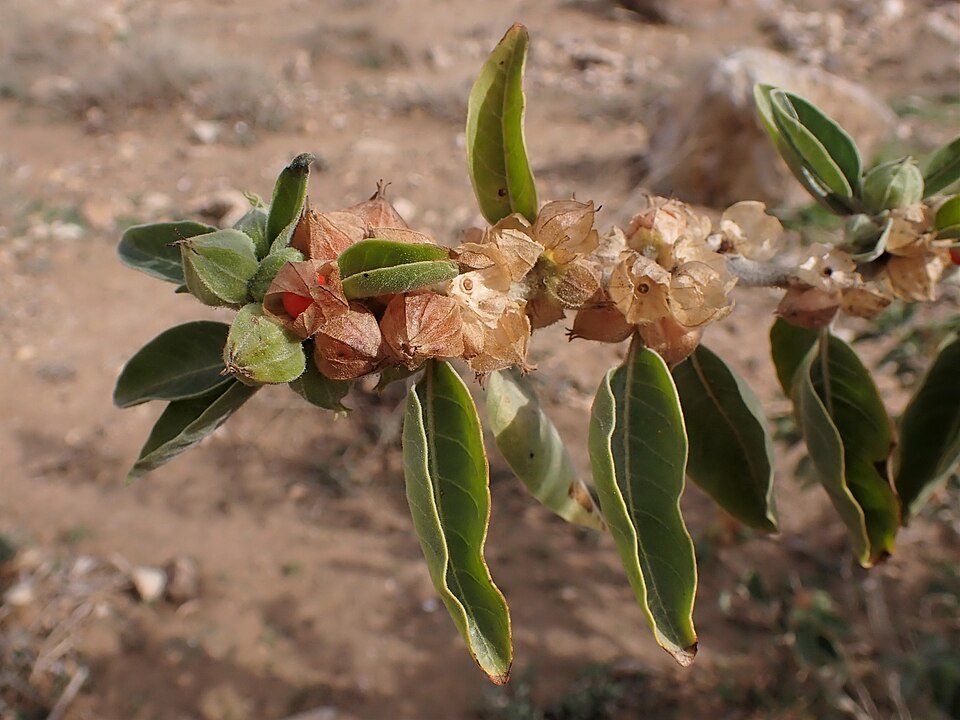
Pima Comber Noil
- Port of dispatchUnited States
- Estimate pricing$ 25 – $ 108.25Est. category range
- AvailabilityIn stock
- Type/ModelPima Comber Noil
- Material100% Upland or Pima Cotton (Gossypium barbadense)
- Key DimensionsStaple length: 10 - 22 mm (typical); micronaire: 3.8 - 4.5 (medium); trash content: <3% (cleaned grade)
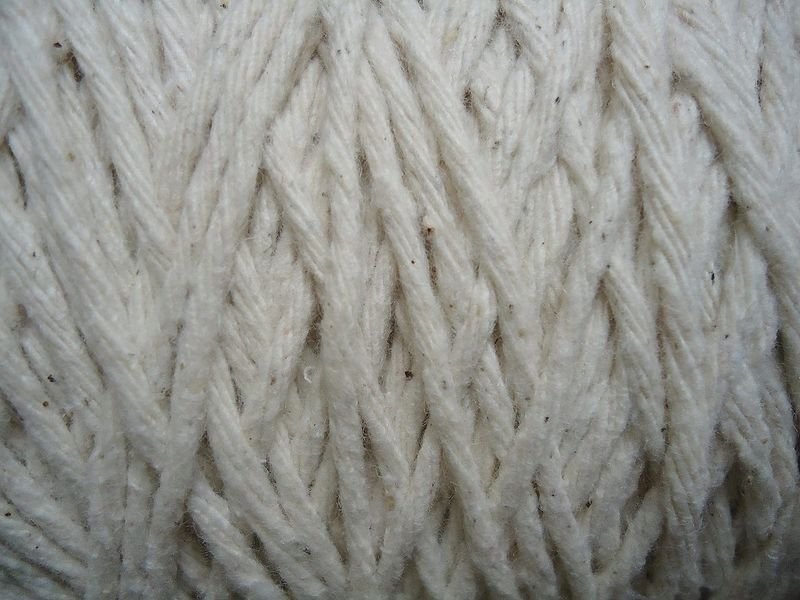
- Color/FinishNatural off-white to light cream; may vary by crop year
Products Description
Pima Comber Noil , made in USA
Buy Pima Comber Noil Wholesale– Import Direct from Verified Supplier Unipet Inc.. These Pima Comber Noil are available in bulk quantities with consistent quality assurance and competitive wholesale pricing. Ideal for retailers, importers, industrial users, and B2B Buyers, these Pima Comber Noil offer exceptional durability, affordability, and market-ready quality for wholesale and distribution. Global Trade Plaza makes international trade simple, secure, and scalable.
Product Categories
Products Specification
- Type/ModelPima Comber Noil
- Material100% Upland or Pima Cotton (Gossypium barbadense)
- Key DimensionsStaple length: 10 - 22 mm (typical); micronaire: 3.8 - 4.5 (medium); trash content: <3% (cleaned grade)
- Color/FinishNatural off-white to light cream; may vary by crop year
- CustomizationAvailable raw, cleaned, or blended; fiber length can be adjusted via sieving
- PackagingCompressed bales (200 - 250 kg net) wrapped in woven polypropylene; palletized for shipping
- MOQ Basis5 metric tons per order (typical); lower MOQ available for samples
- Certificationsask the supplier
- Country of OriginUnited States
- HS Code5202.10 (Cotton waste, including yarn waste and garnetted stock)
- Cotton VarietyGossypium barbadense (Pima)
- Cleaning LevelGrade A (cleaned), Grade B (raw)
- Moisture Content≤8%



Inquire now
Related Products

Post your requirement – Global Trade Plaza
Other Products from Seller



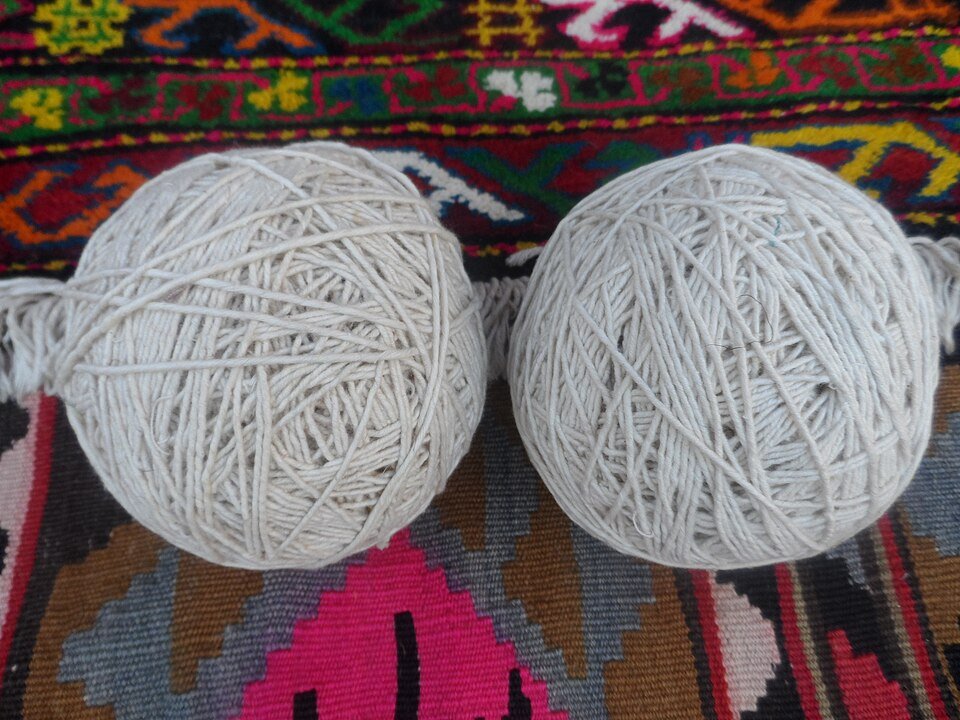






Pima Comber Noil from other sellers




Buy Online Wholesale Pima Comber Noil from Supplier & Exporter in United States
Pima Comber Noil is a premium short-fiber cotton byproduct produced during the combing process of Pima cotton. Sourced from U.S.-grown Pima cotton, this material offers consistent quality and is widely used in spinning, nonwovens, and specialty textile applications.
This wholesale-grade Pima Comber Noil is available in bulk quantities from a U.S.-based exporter with direct access to American cotton mills. It is ideal for manufacturers seeking a reliable, traceable fiber source with stable supply chains and shorter lead times.
Available as raw comber noil or cleaned/blended grades depending on application needs. Typical uses include yarn blending, technical textiles, and sustainable fiber applications where fiber length and cleanliness are critical. Lead times vary by volume and preparation; request a quote for specifics.
Import Wholesale Pima Comber Noil for Your Business Needs
Best Fit & Nearest Alternatives
Best suited for:
- Spinning mills producing high-end yarns using comber noil blends
- Nonwoven manufacturers seeking natural fiber reinforcement
- Sustainability-focused brands using U.S.-grown cotton waste streams
- Textile converters requiring short-staple fiber for specialty applications
Not ideal for:
- Applications requiring long staple fiber (e.g., premium ring-spun yarns)
- Projects where synthetic or man-made fibers are preferred for performance
- High-precision medical-grade textiles requiring sterilized, certified fiber
Compared to regular cotton comber noil, Pima Comber Noil offers longer average staple length and lower trash content, reducing processing waste and improving blending consistency. It is a tier below carded Pima cotton in purity but a tier above standard comber noil in fiber quality.
What Drives the Price
- Fiber grade and cleaning level (raw vs cleaned noil)
- Volume and frequency of orders (contract pricing available at scale)
- Seasonal availability and cotton crop quality
- Certification status (organic, traceable, etc.)
Pricing scales with MOQ and annual volume commitments. Request a quote for tiered pricing based on your usage profile. Smaller orders may carry premiums due to handling and sampling costs.
Lead Time, Shipping & Returns
- Lead time: Typical lead time is 4 - 8 weeks from order confirmation, depending on volume and preparation. Confirm with supplier for rush orders or seasonal peaks.
- Shipping: Shipped via ocean freight (FCL/LCL) or air cargo for urgent needs. Port of exit typically Los Angeles or Savannah; inland destinations by truck or rail.
- Returns & defects: Returns are accepted only for verified defects confirmed by pre-shipment inspection. Buyer must provide evidence of non-conformance within 7 days of receipt. Defective lots are replaced or credited per supplier policy.
Handling & Application Notes
- Store in dry, ventilated areas to prevent moisture regain and mold. Ideal humidity is 45 - 55%.
- Pre-cleaning or blending is recommended before spinning to remove residual trash and improve yarn quality.
- Pima Comber Noil blends well with polyester, viscose, or other fibers to optimize cost-performance ratios in yarn production.
About Supplier
Unipet Inc. is a U.S.-based exporter specializing in cotton byproducts, including comber noil, linters, and gin waste. With direct relationships to American cotton mills, they offer traceable, high-quality fiber streams for industrial buyers.
The company operates warehousing and logistics hubs in Texas and California, enabling efficient domestic distribution and export readiness. They provide pre-shipment testing for fiber parameters and can support third-party certifications upon request.
Supplier Details for Pima Comber Noil
- Established - 11 Jun, 2025
- Business Type - Exporter
- Deals in Product Type - Textile Fibers - Cotton Byproducts
- Country - United States
Frequently Asked Questions (FAQs) on Pima Comber Noil
1. What is the typical staple length of Pima Comber Noil?
Pima Comber Noil typically ranges from 10 to 22 mm in staple length, with an average around 16 - 18 mm. This is longer than standard upland comber noil, supporting better blending in yarn production.
2. Can Pima Comber Noil be used in nonwoven applications?
Yes. Its short staple length and natural crimp make it suitable for needle-punched nonwovens, wet-laid processes, and composite reinforcement. Cleaning level (Grade A) is recommended for consistent performance.
3. Is this fiber suitable for dyeing or printing?
Pima Comber Noil accepts dyes well due to its natural affinity for cotton dyes, but color consistency may vary slightly due to inherent fiber variability. Pre-dyeing trials are advised for critical applications.
4. Does the supplier offer organic or sustainably sourced options?
ask the supplier about organic Pima Comber Noil availability and third-party certifications such as GOTS or USDA Organic.
5. What are the main contaminants in raw Pima Comber Noil?
Common contaminants include leaf fragments, seed coat fragments, and fine dust. Cleaning processes reduce these to <3% total trash content in Grade A material.
6. Can the fiber be shipped in bulk bags instead of bales?
ask the supplier about flexible packaging options, including bulk bags (FIBCs), subject to volume and freight arrangements.
7. Is pre-shipment inspection available?
Yes. The supplier offers third-party inspection services for fiber quality, moisture content, and bale weight at buyer’s request. Inspection reports are provided before shipment.
8. How should the fiber be conditioned before processing?
Conditioning typically involves 24 - 48 hours of acclimation in a controlled environment (45 - 55% humidity, 20 - 25°C) to stabilize moisture content and minimize static during processing.
Explore Top Product Categories
- Alcohol Based Hand Sanitizer
- Paper Soap
- Antibacterial Hand Wash
- Cosmetic Kits
- Detergent Chemicals
- Industrial Chemicals
- Laboratory Chemicals
- Leather Chemicals
- Car Accessories
- Motorcycle Parts
- Automobile Brakes Spare Parts
- Motorcycle, Scooters & ATV Bikes
- Building Construction Machineries & Equipments
- Bricks
- Cupboards, Door, Gates, Grills & Windows
- Wall Tiles
- Filters, Water Treatment Plants
- Household Cleaning Products
- Wiping Rags, Mops, Dusters, Sponge, Brushes, Scourer
- Soap & Detergent
- Industrial Gears & Gear Boxes
- Machined Components
- Bolts
- Nuts
- Food Packaging Bags
- Wooden Packaging Boxes
- Offset Printing Machinery & Equipments
- Packaging Machinery
Related Products
Acrylic Soft Waste Mixed Color Worsted LengthCutting OilBorosilicate GlassPP PE PS Colour MasterbatchesFRP GratingUltra Max SAE 0W 30 1L, 4L and 5LTexol Gear Oil SAE 75W90 API GL 5-04Soy WaxIndustrial Cleaning Products In Ibc 1000lRovingShoddy ( Black Colour )Shoddy ( Ecru / Natural )Ceramic LiningEPS Raw Material Expanded Polystyrene/PU Foam ScrapUV Offset InksIMPULSE 5W-30 ACEA C2/C3, API SN/CFMACHTIG-V 5W40 API CI-4,CJ-4,CK-4,SN,CI-4+MACHTIG-V 10W40 API CJ-4/CI-4,CK-4/SNMACHTIG-V 15W40 API CJ-4/CI-4,CK-4/SNFORTIUS 10W30 API CI-4,SL,ACEA A3/B4-12,E7-12Low Ash Metallurgical CokeBest and Cheapest Used 20ft 40ft ContainerGreaseWoven FabricOpen End YarnLLDPE Raw Material
Related Categories
Industrial SuppliesJute Raw Material & MachineryChemicals & Allied ProductsPackaging ProductsIndustrial MachineryMarine Equipment & MachineryMetallic ElementsNon Metallic ElementsPetroleum, Oil & Related ProductsPower PlantsRefrigeration, Cold StorageRubber & Related ItemsTools & InstrumentsRaw & Processed LeatherIndustrial goods & chemicalCoir FibersCoir MachineryCoir MatAcetic Acid (Vinegar)Adhesive, Sealants & LubricantsAgricultural ChemicalsAcrylic BoxesAir Bubble BagsAluminium ContainersAbrasivesAnchorsBattery Scraps