
PAC Poly Aluminium Chloride
- Port of dispatchViet Nam
- Estimate pricing$ 1.65 – $ 240Est. category range
- AvailabilityIn stock
- CAS Number1327-41-9
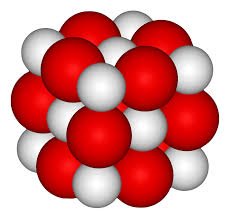
- Chemical FormulaAlₙ(OH)ₘCl₃ₙ₋ₘ
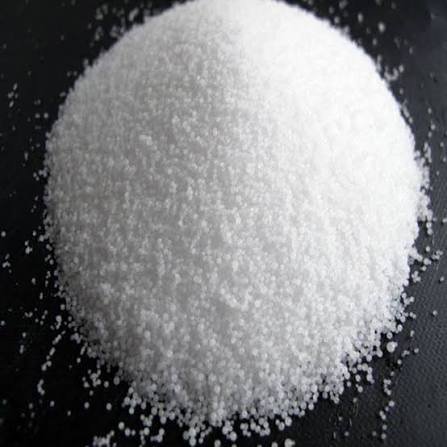
- Physical FormFine powder
- Purity/AssayAl₂O₃ ≥ 30%
Products Description
Product Description Product name: PAC Poly Aluminium Chloride Chemical formula: Aln(OH)mCl3n-m CAS No.: 1327-41-9 Content of PAC: 30% PAC 30% Specification: - Appearance: Fine, white, or yellowish powder - Aluminium Oxide(Al2O3): â?¥ 30% - Alkalinity: 40�·90 % - Iron content: â?¤ 300 ppm - Water insoluble: â?¤ 0,25% - pH 1% solution in water: 3,5�·5 Polyaluminum chloride is packaged in 25kg/bag, two layers bag, inner is plastic pp bag, outside is a woven bag, 560 bags in 20ft 14.000kg, 1.120bags in 40ft 28.000kg How to Use PAC Powder 30% in Water Treatment The way of PAC powder 30% phase is simple to remember. Dilute PAC into a 5-10% solution with clean water and add it to the water source to be treated with the following dosages: - The dosage for 1m3 of river, pond, and lake water: + For water with low turbidity: 1- 4g/m3 PAC + For water with medium turbidity: 5 - 7g/m3 PAC + For water with high turbidity: 7 - 10g/m3 PAC - The dosage of wastewater treatment (making paper, textile, dyeing, food processing) from 20-200g/m3, depending on the suspended matter content and the wastewater characteristics.
Product Categories
Products Specification
- CAS Number1327-41-9
- Chemical FormulaAlₙ(OH)ₘCl₃ₙ₋ₘ
- Molecular WeightConfirm with supplier
- Physical FormFine powder
- Purity/AssayAl₂O₃ ≥ 30%
- AppearanceFine white or yellowish powder
- pH (1% solution)3.5 - 5.0
- SolubilityHighly soluble in water
- Packaging25 kg bags; inner PP bag, outer woven bag
- HS CodeConfirm with supplier
- Iron Content≤ 300 ppm
- Water Insolubles≤ 0.25%
- Alkalinity40 - 90%



Inquire now
Related Products

Post your requirement – Global Trade Plaza




More PAC Poly Aluminium Chloride from Category









PAC Poly Aluminium Chloride from other sellers



Buy Online Wholesale PAC Poly Aluminium Chloride from Supplier & Exporter in Viet Nam
PAC Poly Aluminium Chloride (PAC) is a highly effective inorganic polymer coagulant widely used in water purification and wastewater treatment. Its polymeric structure enables it to neutralize suspended particles and form dense flocs quickly, improving filtration and reducing chemical sludge. This 30% grade is cost-efficient for large-scale operations while maintaining strong performance across neutral to mildly acidic pH ranges.
Commonly supplied as a fine powder in multi-layer bags, PAC is easy to store and dose in plants. It dissolves readily in water, making it suitable for automated dosing systems in municipal and industrial treatment facilities. Its low iron content and high purity support consistent coagulation without introducing unwanted color or turbidity.
PAC is typically used as a primary coagulant in drinking water plants, industrial effluent systems, and sludge dewatering applications. It works well across a range of turbidities and is often preferred in regions with variable raw water quality. Compared to traditional aluminium sulfate, PAC requires lower dosing and generates less sludge, reducing operational costs.
Import Wholesale PAC Poly Aluminium Chloride for Your Business Needs
Best Fit & Nearest Alternatives
Best suited for:
- Municipal water treatment plants
- Industrial effluent treatment
- Sludge dewatering systems
- High-turbidity water clarification
Not ideal for:
- Cold water applications below 5°C
- Systems requiring ultra-low iron content (<50 ppm)
- Applications sensitive to chloride ions in final discharge
PAC 30% offers faster flocculation and lower dosing than aluminium sulfate, but may require pH adjustment in very soft waters. Compared to higher-basicity PAC grades (e.g., 9 - 12% basicity), this 30% grade is more soluble and easier to handle but less effective in highly alkaline waters.
What Drives the Price
- Purity level (iron content, insoluble matter)
- Packaging (bag type, palletization, moisture barrier)
- Quantity and shipping terms (FOB vs CIF)
- Seasonal demand and raw material aluminum prices
Pricing scales with order volume and minimum order quantity (MOQ). Request a detailed quote based on your annual consumption to secure tiered pricing. Bulk orders typically reduce cost per unit due to economies of scale in shipping and handling.
Lead Time, Shipping & Returns
- Lead time: Typical lead time is 10 - 20 days from order confirmation, depending on volume and season. Confirm exact timelines with the supplier during negotiations.
- Shipping: Standard modes include 20ft and 40ft containers, break-bulk, and bulk bags via sea freight. Smaller shipments may be consolidated with other chemicals under full container load (FCL).
- Returns & defects: Returns are accepted only for verified defects or non-conformance to agreed specifications. Inspect shipments upon receipt and file claims within 7 days with supporting documentation. The supplier typically covers return freight for confirmed defects.
Handling & Application Notes
- Store in a dry, ventilated area away from moisture and direct sunlight to prevent caking and degradation.
- Dissolve PAC in water before dosing; never add directly to raw water streams to avoid localized high concentrations.
- Monitor pH during coagulation; optimal performance is typically achieved between pH 5 and 9.
About Supplier
FTE Clean Environment Co., Ltd. is a Viet Nam-based manufacturer specializing in inorganic coagulants and water treatment chemicals.
The company operates compliant production facilities with quality controls aligned to ISO standards. They offer technical support for application optimization and supply chain logistics across Southeast Asia.
Supplier Details for PAC Poly Aluminium Chloride
- Established - 11 Jun, 2025
- Business Type - Manufacturer
- Deals in Product Type - Industrial Chemicals - Coagulants & Flocculants
- Country - Viet Nam
Frequently Asked Questions (FAQs) on PAC Poly Aluminium Chloride
1. What is the shelf life of PAC 30% powder under proper storage conditions?
The supplier typically states a shelf life of 12 - 24 months from date of manufacture when stored in dry, sealed bags at ambient temperature. Confirm exact shelf life with the supplier.
2. Can PAC 30% be used in drinking water treatment without further treatment?
Yes, PAC 30% is approved for use in drinking water treatment under standard coagulation practices. However, final water quality must meet local regulatory standards for aluminum residuals and disinfection byproducts.
3. How does PAC 30% compare to aluminium sulfate in sludge generation?
PAC 30% typically generates 20 - 30% less sludge than aluminium sulfate due to its higher charge density and more efficient coagulation mechanism. Confirm with the supplier for site-specific benchmarks.
4. Is PAC 30% compatible with cationic polymers in dual-coagulant systems?
Yes, PAC 30% is often used alongside cationic polymers to enhance floc strength and settling. Compatibility depends on water chemistry and dosing sequence - conduct jar tests to confirm optimal ratios.
5. What is the recommended storage temperature for PAC 30%?
Store PAC 30% in a cool, dry place below 30°C. Avoid exposure to humidity and temperature swings to prevent caking and reduced solubility.
6. Can PAC 30% be shipped by air freight?
Air freight is generally not recommended due to moisture sensitivity and handling restrictions for fine powders. Sea freight in sealed bags is the standard logistics method.
7. Does PAC 30% require special labeling for transport?
It is classified as a non-hazardous chemical for transport in most jurisdictions, but confirm with the supplier for SDS and compliance documentation specific to your destination.
8. What documentation accompanies each shipment of PAC 30%?
Shipments typically include a Certificate of Analysis (CoA), Material Safety Data Sheet (SDS), and commercial invoice. Request these documents in advance to streamline customs clearance.
Explore Top Product Categories
- Alcohol Based Hand Sanitizer
- Paper Soap
- Antibacterial Hand Wash
- Cosmetic Kits
- Detergent Chemicals
- Industrial Chemicals
- Laboratory Chemicals
- Leather Chemicals
- Car Accessories
- Motorcycle Parts
- Automobile Brakes Spare Parts
- Motorcycle, Scooters & ATV Bikes
- Building Construction Machineries & Equipments
- Bricks
- Cupboards, Door, Gates, Grills & Windows
- Wall Tiles
- Filters, Water Treatment Plants
- Household Cleaning Products
- Wiping Rags, Mops, Dusters, Sponge, Brushes, Scourer
- Soap & Detergent
- Industrial Gears & Gear Boxes
- Machined Components
- Bolts
- Nuts
- Food Packaging Bags
- Wooden Packaging Boxes
- Offset Printing Machinery & Equipments
- Packaging Machinery
Related Products
Water Treatment ChemicalsETPWiz24 DisinfectantBiocidesDeoilerDemulsifier (Water Soluble)Drilling Mud DefoamersFlocculation Aid for Effluent WaterBiocide (Amine/Quaternary Ammonium Based)Amine BiocidePotassium PermanganateHigh Quality Yellow Powder 21% PolyferricPoly Aluminium Chloride(PAC)Poly Aluminium ChloridePoly Aluminium ChlorideTECNO COMPLEXChitosanAMMONIUM BISULPHITE SOLUTIONTrichloroisocyanuric Acid (TCCA)Sodium DichloroisocyanurateWater Treatment ChemicalsWater Treatment ChemicalsTrichloroisocyanuric acidDiisopropanolamine DIPAEmulsion PolymerOil Demulsifier BaseAntifoam
Related Categories
Water Treatment ChemicalsAcetic Acid (Vinegar)Adhesive, Sealants & LubricantsAgricultural ChemicalsAldehydeAlumAluminum OxideAluminum SulfateAmmonium SulphateAnionic PolyacrylamideAromatic ChemicalsAzo CompoundsStrong Alcoholic Beverages like Whisky, Gin, Vodka, Rum etcBenzoic AcidBleaching ChemicalsCalcium CarbonateCalcium ChlorideCalcium ChlorideCalcium HypochloriteCalcium OxideCalcium SilicateCalcium SulfateCaustic SodaCaustic SodaChemical SaltsChlorineChlorine Dioxide