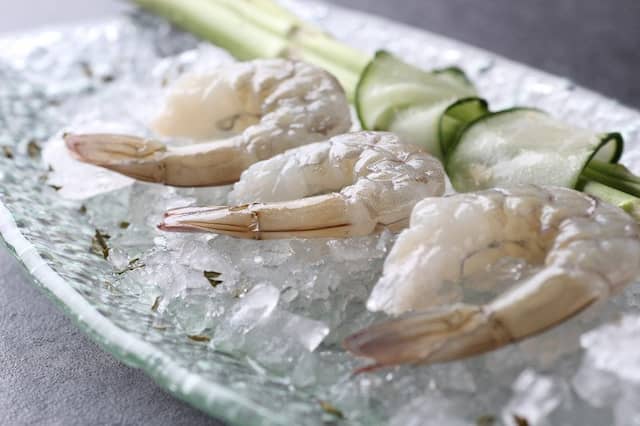
Litopenaeus Vannamei
- Port of dispatchPanama
- Estimate pricingPrice on request
Your request goes to Vigomar Shrimp Co.. Follow up with them in Messages on Global Trade Plaza.
Products Description
Description Litopenaeus vannamei grows to a maximum length of 230 millimetres (9.1 in), with a carapace length of 90 mm (3.5 in).[2] Adults live in the ocean, at depths of up to 72 metres (236 ft), while juveniles live in estuaries.[2] The rostrum is moderately long, with 7–10 teeth on the dorsal side and 2–4 teeth on the ventral side.[2] Distribution and habitat Whiteleg shrimp are native to the eastern Pacific Ocean, from the Mexican state of Sonora as far south as northern Peru.[2] It is restricted to areas where the water temperature remains above 20 °C (68 °F) throughout the year.[3] Fishery and aquaculture During the 20th century, L. vannamei was an important species for Mexican inshore fishermen, as well as for trawlers further offshore.[2] In the late 20th century, the wild fishery was overtaken by the use of aquaculture; this began in 1973 in Florida using prawns captured in Panama.[3] In Latin America, the culture of L. vannamei showed peaks of production during the warm El Niño years, and reduced production during the cooler La Niña years, due to the effects of disease.[3] Production of L. vannamei is limited by its susceptibility to various diseases, including white spot syndrome, Taura syndrome, infectious hypodermal and haematopoietic necrosis, baculoviral midgut gland necrosis and Vibrio infections.[3] By 2004, global production of L. vannamei approached 1,116,000 t, and exceeded that of Penaeus monodon.[3] In 2010, Greenpeace International has added the whiteleg shrimp to its seafood red list. "The Greenpeace International seafood red list is a list of fish that are commonly sold in supermarkets around the world, and which have a very high risk of being sourced from unsustainable fisheries."[4] The reasons given by Greenpeace were "destruction of vast areas of mangroves in several countries, over-fishing of juvenile shrimp from the wild to supply shrimp farms, and significant human rights abuses".[4] Aquarium trade In the saltwater reef aquarium, young Penaeus vannamei can be used as live food for fish and invertebrates, particularly to entice picky eaters to start eating in a new tank. P. vannamei is often added to the aquarium's refugium to allow aquarists to easily raise the shrimp as food in the main display tank.
Product Categories
- Contact Seller
Products Specification
- AvailabilityIn stock
- Price$40 - $60
- BrandGlobal Trade Plaza
- Minimum Order QuantityNot Specified
- Item ConditionNewCondition



Get a quote from Vigomar Shrimp Co.

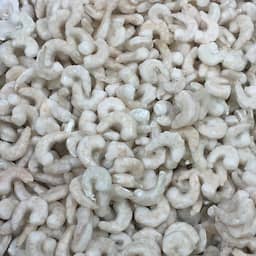
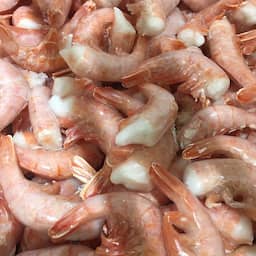
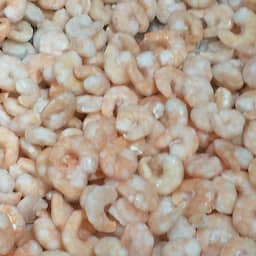
More Litopenaeus Vannamei from Category
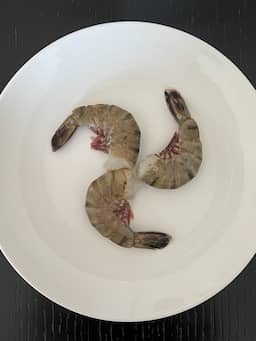


Post your requirement – Global Trade Plaza
Describe what you need once. Suppliers who deal in it see your requirement as a buy lead and can send you offers.
Buy Online Wholesale Litopenaeus Vannamei from Supplier & Exporter in Panama
Vigomar Shrimp Co. lists Litopenaeus Vannamei on Global Trade Plaza from Panama. The listing was added in June 2025.
Import Wholesale Litopenaeus Vannamei for Your Business Needs
Brand: Global Trade Plaza. Ask Vigomar Shrimp Co. for a firm quote and delivery terms before you order.
About Supplier
Vigomar Shrimp Co. is a B2B supplier based in Panama, listed on Global Trade Plaza since June 2025. Use Inquire now or Chat with supplier to ask Vigomar Shrimp Co. for prices, specifications and documents for Litopenaeus Vannamei.
Supplier Details for Litopenaeus Vannamei
- Member since - Jun 2025
- Business Type - Contact Seller
- Deals in Product Type - Contact Seller
- Country - Panama
Frequently Asked Questions (FAQs) on Litopenaeus Vannamei
1. What is the Seller’s Policy on Payment for Litopenaeus Vannamei?
Ask Vigomar Shrimp Co. which payment terms they accept for Litopenaeus Vannamei. Agree the payment terms in writing with the supplier before you pay.
2. How to Place an Order for Litopenaeus Vannamei with Vigomar Shrimp Co.?
Click Get a quote to send your requirement to the supplier Use Chat with supplier to ask questions Post your requirement to hear from other suppliers too
Placing an order for Litopenaeus Vannamei with Vigomar Shrimp Co. is quick and straightforward on Global Trade Plaza, a leading B2B marketplace for global buyers and suppliers. You can:
3. What Should You Consider When Buying Litopenaeus Vannamei Online in 2025?
Product specifications (material, durability, features) Quality certifications and compliance Supplier credibility and customer reviews Minimum Order Quantity (MOQ) and bulk pricing Lead time and delivery timelines
When purchasing Litopenaeus Vannamei from a B2B marketplace in 2025, focus on the following critical factors:
Comparing prices and communicating directly with Vigomar Shrimp Co. can help ensure value for money and better sourcing decisions.
4. Who Are the Top B2B Importers and Buyers of Litopenaeus Vannamei on Global Trade Plaza?
Visit the Buy Leads section Filter by industry, product type, or country Create an account to access full buyer contact details
Global Trade Plaza is home to B2B buyers, wholesalers, distributors, and importers of Litopenaeus Vannamei across industries and countries. To discover the most active and high-value buyers:
5. What is the Port of Dispatch, Estimated Price, and Packaging Type Offered by Vigomar Shrimp Co.?
Vigomar Shrimp Co., a B2B supplier from Panama, dispatches Litopenaeus Vannamei primarily through the port at Panama. Packaging types (e.g., bulk, custom, eco-friendly) and estimated pricing may vary based on order volume and destination. To get detailed logistics and pricing information, use Get a quote or Chat with supplier, or Sign Up for direct supplier interaction.







Explore Top Product Categories
- Alcohol Based Hand Sanitizer
- Paper Soap
- Antibacterial Hand Wash
- Cosmetic Kits
- Detergent Chemicals
- Industrial Chemicals
- Laboratory Chemicals
- Leather Chemicals
- Car Accessories
- Motorcycle Parts
- Automobile Brakes Spare Parts
- Motorcycle, Scooters & ATV Bikes
- Building Construction Machineries & Equipments
- Bricks
- Cupboards, Door, Gates, Grills & Windows
- Wall Tiles
- Filters, Water Treatment Plants
- Household Cleaning Products
- Wiping Rags, Mops, Dusters, Sponge, Brushes, Scourer
- Soap & Detergent
- Industrial Gears & Gear Boxes
- Machined Components
- Bolts
- Nuts
- Food Packaging Bags
- Wooden Packaging Boxes
- Offset Printing Machinery & Equipments
- Packaging Machinery
Related Products
Sea White PrawnPrawn CrackersRiver Prawn/scampi (live/fresh/frozen)Sea Tiger Prawn (HOSO)Dried Prawn ShellsUdang Galah (Prawns)Indian White PrawnBlack Tiger PrawnMandapam Flower PrawnFlower PrawnRed RingDeep Sea PrawnGiant River PrawnVannamei PrawnsBlack Tiger PrawnPrawnsFrozen Seafood – Shrimp, Prawns, Fish & Mixed SeafoodWhite King Prawn (Penaeus Vannamei)White King Prawn (Penaeus Vannamei)White King PrawnWhite King Prawn BrineRaw Tiger PrawnFrozen Black Tiger PrawnRaw & Cooked PrawnGiant Freshwater PrawnBlack Tiger PrawnLagoon,sea, Wild Catch Fresh Scampi
Related Categories
Fresh PrawnsAquacultureCanned FishCanned SeafoodCanned ShellfishCrabs, Fillets, Lobsters & Other Sea CreaturesDried FishDried SeafoodDried ShellfishFishFish EggsFish MawFishmealFresh AbaloneFresh Anchovy FishFresh Barracuda FishFresh Basa FishFresh Carp FishFresh CatfishFresh ClamsFresh CrabsFresh CrayfishFresh Croaker FishFresh CuttlefishFresh EelFresh Emperor FishFresh Fish Fillets