Konjac Chips
- Estimate pricingPrice on request
Your request goes to Triguna Asia Makmur, PT. Follow up with them in Messages on Global Trade Plaza.
Products Description
Konjac (or konjak, English: k/ KON-yak, KON-jak) is a common name of the East and Southeast Asian plant Amorphophallus konjac (syn. A. rivieri), which has an edible corm (bulbo-tuber). It is also known as konjaku, konnyaku potato, devil's tongue, voodoo lily, snake palm, or elephant yam (though this name is also used for A. paeoniifolius). The food made from the corm of this plant is widely known in English by its Japanese name, konnyaku (yam cake), being cooked and consumed primarily in Japan and Korea. The two basic types of cake are white and black. Noodles made from konnyaku are called shirataki. The corm of the konjac is often colloquially referred to as a yam, though it is not related to tubers of the family Dioscoreaceae. HEALTH CLAIMS The dried corm of the konjac plant contains around 40% glucomannan gum. This polysaccharide makes konjac jelly highly viscous and may be responsible for many of its putative health benefits as used in traditional Chinese medicine, detoxification, tumour-suppression, blood stasis alleviation and phlegm liquefaction.[7] The dietary fiber from the corm of konjac is used as a component of weight loss supplements Other uses Konjac can also be used for facial massage accessories, which are currently popular in Korea and gaining popularity in the West. Most commonly this is through the use of a konjac sponge, which is unique in that it can be used on sensitive skin that may become easily irritated with more common exfoliating tools (such as loofahs or washcloths). In traditional hand papermaking in Japan, konnyaku imparts strength to paper for dyeing, rubbing, folding and other manipulations, such as momigami.
Product Categories
Products Specification
- Contact Seller



Get a quote from Triguna Asia Makmur, PT

More Konjac Chips from Category

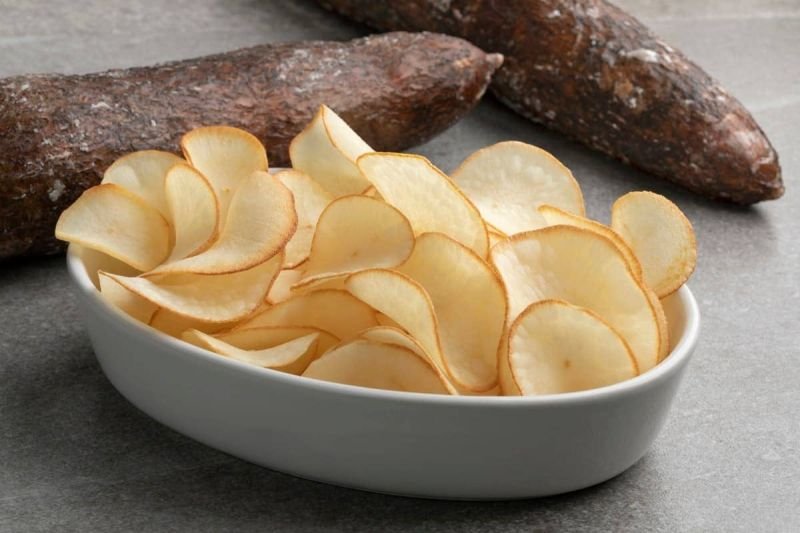
Post your requirement – Global Trade Plaza
Describe what you need once. Suppliers who deal in it see your requirement as a buy lead and can send you offers.
Buy Online Wholesale Konjac Chips from Supplier & Exporter in
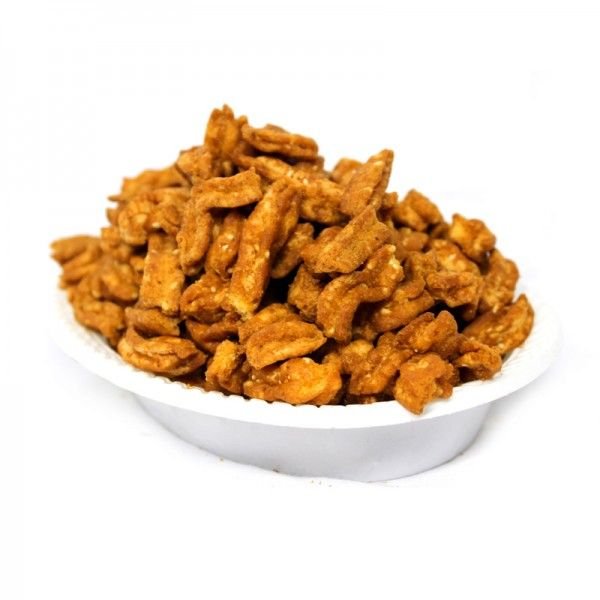
Konjac Chips are a food product made from the corm of the konjac plant (Amorphophallus konjac). The dried corm contains around 40% glucomannan gum, a polysaccharide that gives the product its viscous texture. It is used in weight loss supplements, konjac sponges for facial massage, and in traditional Japanese papermaking to impart strength to paper.
Import Wholesale Konjac Chips for Your Business Needs
The seller has not added a specification yet; ask for the data sheet or test certificate. Ask Triguna Asia Makmur, PT for a firm quote and delivery terms before you order.
About Supplier
Triguna Asia Makmur, PT is a B2B supplier based in Indonesia, listed on Global Trade Plaza since October 2026. Use Inquire now or Chat with supplier to ask Triguna Asia Makmur, PT for prices, specifications and documents for Konjac Chips.
Supplier Details for Konjac Chips
- Member since - Oct 2026
- Business Type - Contact Seller
- Deals in Product Type - Chips
- Country - Indonesia
Frequently Asked Questions (FAQs) on Konjac Chips
1. What is the Seller’s Policy on Payment for Konjac Chips?
Ask Triguna Asia Makmur, PT which payment terms they accept for Konjac Chips. Agree the payment terms in writing with the supplier before you pay.
2. How to Place an Order for Konjac Chips with Triguna Asia Makmur, PT?
Click Get a quote to send your requirement to the supplier Use Chat with supplier to ask questions Post your requirement to hear from other suppliers too
Placing an order for Konjac Chips with Triguna Asia Makmur, PT is quick and straightforward on Global Trade Plaza, a leading B2B marketplace for global buyers and suppliers. You can:
3. What Should You Consider When Buying Konjac Chips Online in 2025?
Product specifications (material, durability, features) Quality certifications and compliance Supplier credibility and customer reviews Minimum Order Quantity (MOQ) and bulk pricing Lead time and delivery timelines
When purchasing Konjac Chips from a B2B marketplace in 2025, focus on the following critical factors:
Comparing prices and communicating directly with Triguna Asia Makmur, PT can help ensure value for money and better sourcing decisions.
4. Who Are the Top B2B Importers and Buyers of Konjac Chips on Global Trade Plaza?
Visit the Buy Leads section Filter by industry, product type, or country Create an account to access full buyer contact details
Global Trade Plaza is home to B2B buyers, wholesalers, distributors, and importers of Konjac Chips across industries and countries. To discover the most active and high-value buyers:
5. What is the Port of Dispatch, Estimated Price, and Packaging Type Offered by Triguna Asia Makmur, PT?
Triguna Asia Makmur, PT, a B2B supplier from Indonesia, dispatches Konjac Chips primarily through the port at Indonesia. Packaging types (e.g., bulk, custom, eco-friendly) and estimated pricing may vary based on order volume and destination. To get detailed logistics and pricing information, use Get a quote or Chat with supplier, or Sign Up for direct supplier interaction.



Explore Top Product Categories
- Alcohol Based Hand Sanitizer
- Paper Soap
- Antibacterial Hand Wash
- Cosmetic Kits
- Detergent Chemicals
- Industrial Chemicals
- Laboratory Chemicals
- Leather Chemicals
- Car Accessories
- Motorcycle Parts
- Automobile Brakes Spare Parts
- Motorcycle, Scooters & ATV Bikes
- Building Construction Machineries & Equipments
- Bricks
- Cupboards, Door, Gates, Grills & Windows
- Wall Tiles
- Filters, Water Treatment Plants
- Household Cleaning Products
- Wiping Rags, Mops, Dusters, Sponge, Brushes, Scourer
- Soap & Detergent
- Industrial Gears & Gear Boxes
- Machined Components
- Bolts
- Nuts
- Food Packaging Bags
- Wooden Packaging Boxes
- Offset Printing Machinery & Equipments
- Packaging Machinery
Related Products
Vacuum Fried Jackfruit ChipsRipe Banana Vacuum Cooked CrispsTapioca Vacuum Cooked Crisps | Vegan Snack PackStrawberry Compound Chocolate ChipCoconut ChipsEjmo Fish Chips 50pcs x 50gramChipsBanana ChipsDehydrated Fruits & Vegetable ChipsBanana ChipsOrganic Dehydrated Banana ChipsCorn ChipsKonjac ChipsBanana ChipsCassava ChipsBanana ChipsLegume ChipsDried Cassava ChipsCoconut Husk ChipsDried Mangoes Chips / Mango PulpFried Cassava ChipsPlantain ChipsCoconut ChipsKerala Banana ChipsJackfruit ChipsWheat ChipsKonjac Chips