
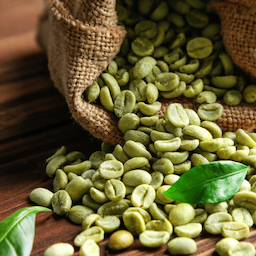
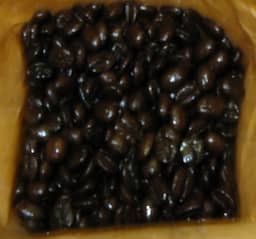
green coffee beans
- Estimate pricingPrice on request
Your request goes to Buna Harmee. Follow up with them in Messages on Global Trade Plaza.
Is the price right? Market checkSupplier based in BelgiumOn Global Trade Plaza since Oct 2026Similar products from other sellers
Products Description
Ethiopian coffee, often referred to as "Ethiopian Yirgacheffe" or "Sidamo" coffee, is renowned for its unique flavor profile, rich history, and cultural significance. Here is a detailed description of Ethiopian coffee: *1. Origin:* Ethiopian coffee is grown in the high-altitude regions of Ethiopia, which is often considered the birthplace of coffee. The country is known for its diverse coffee varieties, each with distinct flavor characteristics. *2. Varieties:* Ethiopia is famous for its heirloom coffee varieties, which are indigenous to the region and have been cultivated for centuries. Some well-known Ethiopian coffee varieties include Sidamo, Yirgacheffe, Harrar, and Limu, each offering a different flavor profile. *3. Flavor Profile:* Ethiopian coffee is celebrated for its exceptional and diverse flavor notes. It often features floral, fruity, and bright acidity, with a range of flavors that can include citrus, berry, jasmine, and even wine-like characteristics. These nuanced flavors are often described as "clean" and "complex," making Ethiopian coffee a favorite among coffee connoisseurs. *4. Processing Methods:* Ethiopian coffee is processed using various methods, including washed, natural, and honey-processed. The natural process, in which coffee cherries are dried with the fruit intact, is particularly popular in Ethiopia and contributes to the coffee's distinctive fruity flavors. *5. Growing Regions:* Ethiopia boasts several distinct coffee-growing regions, each with its own microclimate and terroir. The most well-known coffee regions in Ethiopia include Sidamo (including the famous Yirgacheffe subregion), Harrar, Guji, and Gedeo. Each region contributes to the diversity of Ethiopian coffee flavors. *6. Cultural Significance:* Coffee is deeply rooted in Ethiopian culture and history. The traditional Ethiopian coffee ceremony, known as "Bunna," is a symbolic and communal event where coffee is roasted, brewed, and shared. It is a significant social activity and a symbol of hospitality in Ethiopian culture. *7. Sustainability:* Ethiopian coffee production often follows traditional, eco-friendly practices. Many coffee farmers in Ethiopia use organic farming methods, which align with the growing global interest in sustainable and environmentally responsible coffee production. *8. Availability:* Ethiopian coffee is available in various forms, including green coffee beans, roasted coffee beans, and ground coffee. It is widely exported and can be found in specialty coffee shops around the world. In summary, Ethiopian coffee is highly regarded for its exceptional flavor diversity, rich history, and cultural significance. It offers a sensory journey that coffee enthusiasts often describe as unparalleled, with a wide array of unique and vibrant flavor notes. Whether you're an experienced coffee aficionado or a casual coffee drinker, Ethiopian coffee is a must-try for anyone seeking a memorable coffee� experience.
Product Categories
Products Specification
- Contact Seller



Get a quote from Buna Harmee
Market check · updated 5 Nov 2026
Is the price right? Coffee (Arabica) prices
In Oct 2026, Coffee, Arabica averaged US$7,400 per tonne, down 16.9% on a year earlier. Coffee (Arabica) listings on Global Trade Plaza ask between US$3,950 and US$8,816 per tonne. The world price is a reference grade; ask the seller for a firm quote for this product.
World reference · Coffee, Arabica, Oct 2026
US$7,400 / tonne
-16.9% vs Oct 2025
Asking prices on Global Trade Plaza
US$3,950 – 8,816 / tonne
Middle half of 17 coffee (arabica) listings with a per-tonne price · median US$6,000
| Coffee, Arabica | Oct 2025 · 8,900 | Apr 2026 · 7,300 | Oct 2026 · 7,400 |
|---|
Sources: World Bank Commodity Price Data (Pink Sheet), Oct 2026; Global Trade Plaza listings, 5 Nov 2026.
For buyers · landed cost
What will it cost you, delivered?
- Goods value
- US$600,000
- Import duty
- Choose a destination
- Total before freight
- –
Price filled in from the middle asking price on Global Trade Plaza; change it to your offer. Duty: WITS / UNCTAD TRAINS most-favoured-nation rate for HS 0901.11. Exchange rate: European Central Bank, 4 Nov 2026. Freight, insurance, port charges and VAT are not included.
World trade · 2025
Biggest importers and exporters
Imports, US$ million
Exports, US$ million
These figures cover HS 0901: coffee (green and roasted), not coffee (arabica) alone.
Source: UN Comtrade, HS 0901, 2025, as reported by each country.
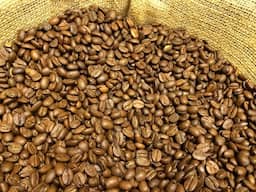
green coffee beans from other sellers


More green coffee beans from Category



Post your requirement – Global Trade Plaza
Describe what you need once. Suppliers who deal in it see your requirement as a buy lead and can send you offers.
Buy Online Wholesale green coffee beans from Supplier & Exporter in
Ethiopian green coffee beans are offered by Buna Harmee. The beans are described as heirloom varieties including Sidamo, Yirgacheffe, Harrar, and Limu, grown in Ethiopia’s high-altitude regions. Processing methods include washed, natural, and honey-processed, with natural processing involving drying cherries with fruit intact to enhance fruity flavor. The coffee exhibits floral, fruity, and bright acidity, with flavor notes of citrus, berry, jasmine, and wine-like characteristics, and is associated with growing regions such as Sidamo (including Yirgacheffe), Harrar, Guji, and Gedeo.
Import Wholesale green coffee beans for Your Business Needs
The seller has not added a specification yet; ask for the data sheet or test certificate. Ask Buna Harmee for a firm quote and delivery terms before you order.
About Supplier
Buna Harmee is a B2B supplier based in Belgium, listed on Global Trade Plaza since October 2026. Use Inquire now or Chat with supplier to ask Buna Harmee for prices, specifications and documents for green coffee beans.
Supplier Details for green coffee beans
- Member since - Oct 2026
- Business Type - Contact Seller
- Deals in Product Type - Coffee Beans
- Country - Belgium
Frequently Asked Questions (FAQs) on green coffee beans
1. What is the Seller’s Policy on Payment for green coffee beans?
Ask Buna Harmee which payment terms they accept for green coffee beans. Agree the payment terms in writing with the supplier before you pay.
2. How to Place an Order for green coffee beans with Buna Harmee?
Click Get a quote to send your requirement to the supplier Use Chat with supplier to ask questions Post your requirement to hear from other suppliers too
Placing an order for green coffee beans with Buna Harmee is quick and straightforward on Global Trade Plaza, a leading B2B marketplace for global buyers and suppliers. You can:
3. What Should You Consider When Buying green coffee beans Online in 2025?
Product specifications (material, durability, features) Quality certifications and compliance Supplier credibility and customer reviews Minimum Order Quantity (MOQ) and bulk pricing Lead time and delivery timelines
When purchasing green coffee beans from a B2B marketplace in 2025, focus on the following critical factors:
Comparing prices and communicating directly with Buna Harmee can help ensure value for money and better sourcing decisions.
4. Who Are the Top B2B Importers and Buyers of green coffee beans on Global Trade Plaza?
Visit the Buy Leads section Filter by industry, product type, or country Create an account to access full buyer contact details
Global Trade Plaza is home to B2B buyers, wholesalers, distributors, and importers of green coffee beans across industries and countries. To discover the most active and high-value buyers:
5. What is the Port of Dispatch, Estimated Price, and Packaging Type Offered by Buna Harmee?
Buna Harmee, a B2B supplier from Belgium, dispatches green coffee beans primarily through the port at Belgium. Packaging types (e.g., bulk, custom, eco-friendly) and estimated pricing may vary based on order volume and destination. To get detailed logistics and pricing information, use Get a quote or Chat with supplier, or Sign Up for direct supplier interaction.
Related Products









Explore Top Product Categories
- Alcohol Based Hand Sanitizer
- Paper Soap
- Antibacterial Hand Wash
- Cosmetic Kits
- Detergent Chemicals
- Industrial Chemicals
- Laboratory Chemicals
- Leather Chemicals
- Car Accessories
- Motorcycle Parts
- Automobile Brakes Spare Parts
- Motorcycle, Scooters & ATV Bikes
- Building Construction Machineries & Equipments
- Bricks
- Cupboards, Door, Gates, Grills & Windows
- Wall Tiles
- Filters, Water Treatment Plants
- Household Cleaning Products
- Wiping Rags, Mops, Dusters, Sponge, Brushes, Scourer
- Soap & Detergent
- Industrial Gears & Gear Boxes
- Machined Components
- Bolts
- Nuts
- Food Packaging Bags
- Wooden Packaging Boxes
- Offset Printing Machinery & Equipments
- Packaging Machinery
Related Products
Robusta Green Coffee BeanArabica Roasted BeanRobusta Roasted Coffee BeanArabica Coffee Green BeansWet Hulled G1 Gayo Sumatera ArabicaFully Washed Gayo Arabica Sumatera, IndonesiaHoney Gayo Sumatera Arabica, IndonesiaArabica Coffee BeansRobusta coffee beansWashed Arabica S16Arabica And Robusta Green Coffee BeansCoffee BeansPure Yunnan Arabica-Katim Coffee BeansRobusta Coffee BeansArabica Coffee BeansRoasted Robusta Coffee BeansRoasted Arabica Coffee BeansArabica Coffee Green BeansArabica Roasted Coffee BeansCoffee BeansArabica Coffee BeanCoffee BeansRobusta Green Coffee Beans Grade 1Robusta Green Coffee Beans Grade 4aArabica Green Coffee Beans Grade 1Green Coffee BeansRoasted Coffee Beans