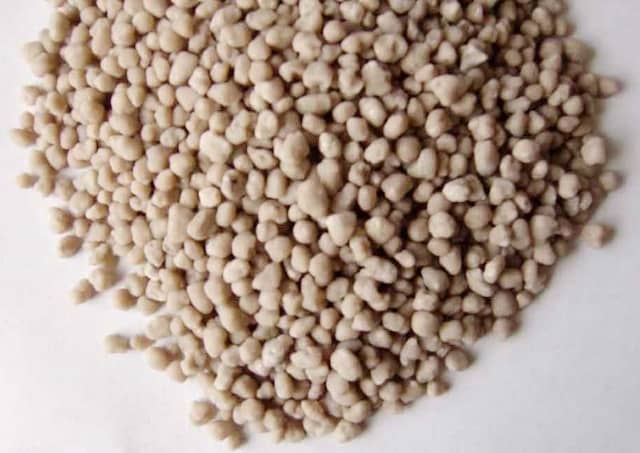
Fertilizer Urea
- Estimate pricingPrice on request
- Ammonia synthesisNatural gas and steam; air; magnetite (Fe3O4) catalyst
- Potassium componentPotassium chloride, granulated
- Granulation methodRotating inclined drum; spherical particles; screened; inert dust coating; dried
- Blended compoundsAmmonium nitrate, potassium chloride, ammonium phosphate, triple superphosphate
Your request goes to Better Choice International LLC. Follow up with them in Messages on Global Trade Plaza.
Is the price right? Market checkSupplier based in OmanOn Global Trade Plaza since Oct 2026Market prices & active buyersSimilar products from other sellers
Products Description
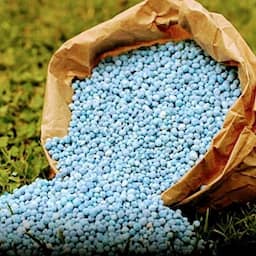
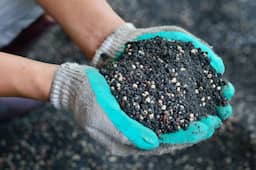
Ammonia is one nitrogen fertilizer component that can be synthesized from in-expensive raw materials. Since nitrogen makes up a significant portion of the earth's atmosphere, a process was developed to produce ammonia from air. In this process, natural gas and steam are pumped into a large vessel. Next, air is pumped into the system, and oxygen is removed by the burning of natural gas and steam. This leaves primarily nitrogen, hydrogen, and carbon dioxide. The carbon dioxide is removed and ammonia is produced by introducing an electric current into the system. Catalysts such as magnetite (Fe3O4) have been used to improve the speed and efficiency of ammonia synthesis. Any impurities are removed from the ammonia, and it is stored in tanks until it is further processed. Potassium fertilizer component: Potassium chloride is typically supplied to fertilizer manufacturers in bulk. The manufacturer converts it into a more usable form by granulating it. This makes it easier to mix with other fertilizer components in the next step. Granulating and blending To produce fertilizer in the most usable form, each of the different compounds, ammonium nitrate, potassium chloride, ammonium phosphate, and triple superphosphate are granulated and blended together. One method of granulation involves putting the solid materials into a rotating drum which has an inclined axis. As the drum rotates, pieces of the solid fertilizer take on small spherical shapes. They are passed through a screen that separates out adequately sized particles. A coating of inert dust is then applied to the particles, keeping each one discrete and inhibiting moisture retention. Finally, the particles are dried, completing the granulation process. The different types of particles are blended together in appropriate proportions to produce a composite fertilizer. The blending is done in a large mixing drum that rotates a specific number of turns to produce the best mixture possible. After mixing, the fertilizer is emptied onto a conveyor belt, which transports it to the bagging machine. Bagging: Fertilizers are typically supplied to farmers in large bags. To fill these bags the fertilizer is first delivered into a large hopper. An appropriate amount is released from the hopper into a bag that is held open by a clamping device. The bag is on a vibrating surface, which allows better packing. When filling is complete, the bag is transported upright to a machine that seals it closed. The bag is then conveyored to a palletizer, which stacks multiple bags, readying them for shipment to distributors and eventually to farmers.
Product Categories
Products Specification
- Ammonia synthesisNatural gas and steam; air; magnetite (Fe3O4) catalyst
- Potassium componentPotassium chloride, granulated
- Granulation methodRotating inclined drum; spherical particles; screened; inert dust coating; dried
- Blended compoundsAmmonium nitrate, potassium chloride, ammonium phosphate, triple superphosphate



Get a quote from Better Choice International LLC
Market check · updated 5 Nov 2026
Is the price right? Urea prices
In Oct 2026, Urea averaged US$420 per tonne, up 6.5% on a year earlier. The world price is a reference grade; ask the seller for a firm quote for this product.
World reference · Urea, Oct 2026
US$420 / tonne
+6.5% vs Oct 2025
| Urea | Oct 2025 · 394 | Apr 2026 · 857 | Oct 2026 · 420 |
|---|
Sources: World Bank Commodity Price Data (Pink Sheet), Oct 2026.
For buyers · landed cost
What will it cost you, delivered?
- Goods value
- US$42,000
- Import duty
- Choose a destination
- Total before freight
- –
Price filled in from the world reference price; change it to your offer. Duty: WITS / UNCTAD TRAINS most-favoured-nation rate for HS 3102.10. Exchange rate: European Central Bank, 4 Nov 2026. Freight, insurance, port charges and VAT are not included.
Who trades urea · 2025
Biggest importers and exporters
Imports, US$ million
Exports, US$ million
Source: UN Comtrade, HS 3102.10, 2025, as reported by each country.
More Fertilizer Urea from Category


Post your requirement – Global Trade Plaza
Describe what you need once. Suppliers who deal in it see your requirement as a buy lead and can send you offers.



Other Products from Seller


Buy Online Wholesale Fertilizer Urea from Supplier & Exporter in
Fertilizer urea is produced from ammonia synthesized from natural gas and steam, with air providing nitrogen after oxygen removal by burning. The process uses catalysts such as magnetite (Fe3O4) to improve synthesis speed and efficiency. Potassium chloride is granulated for blending with ammonium nitrate, ammonium phosphate and triple superphosphate. Granulation uses a rotating inclined drum to form spherical particles, which are screened, coated with inert dust to inhibit moisture retention, dried and blended in appropriate proportions.
Import Wholesale Fertilizer Urea for Your Business Needs
The seller has not added a specification yet; ask for the data sheet or test certificate. Ask Better Choice International LLC for a firm quote and delivery terms before you order.
About Supplier
Better Choice International LLC is a B2B supplier based in Oman, listed on Global Trade Plaza since October 2026. Use Inquire now or Chat with supplier to ask Better Choice International LLC for prices, specifications and documents for Fertilizer Urea.
Supplier Details for Fertilizer Urea
- Member since - Oct 2026
- Business Type - Contact Seller
- Deals in Product Type - Fertilizers
- Country - Oman
Frequently Asked Questions (FAQs) on Fertilizer Urea
1. What is the Seller’s Policy on Payment for Fertilizer Urea?
Ask Better Choice International LLC which payment terms they accept for Fertilizer Urea. Agree the payment terms in writing with the supplier before you pay.
2. How to Place an Order for Fertilizer Urea with Better Choice International LLC?
Click Get a quote to send your requirement to the supplier Use Chat with supplier to ask questions Post your requirement to hear from other suppliers too
Placing an order for Fertilizer Urea with Better Choice International LLC is quick and straightforward on Global Trade Plaza, a leading B2B marketplace for global buyers and suppliers. You can:
3. What Should You Consider When Buying Fertilizer Urea Online in 2025?
Product specifications (material, durability, features) Quality certifications and compliance Supplier credibility and customer reviews Minimum Order Quantity (MOQ) and bulk pricing Lead time and delivery timelines
When purchasing Fertilizer Urea from a B2B marketplace in 2025, focus on the following critical factors:
Comparing prices and communicating directly with Better Choice International LLC can help ensure value for money and better sourcing decisions.
4. Who Are the Top B2B Importers and Buyers of Fertilizer Urea on Global Trade Plaza?
Visit the Buy Leads section Filter by industry, product type, or country Create an account to access full buyer contact details
Global Trade Plaza is home to B2B buyers, wholesalers, distributors, and importers of Fertilizer Urea across industries and countries. To discover the most active and high-value buyers:
5. What is the Port of Dispatch, Estimated Price, and Packaging Type Offered by Better Choice International LLC?
Better Choice International LLC, a B2B supplier from Oman, dispatches Fertilizer Urea primarily through the port at Oman. Packaging types (e.g., bulk, custom, eco-friendly) and estimated pricing may vary based on order volume and destination. To get detailed logistics and pricing information, use Get a quote or Chat with supplier, or Sign Up for direct supplier interaction.






Explore Top Product Categories
- Alcohol Based Hand Sanitizer
- Paper Soap
- Antibacterial Hand Wash
- Cosmetic Kits
- Detergent Chemicals
- Industrial Chemicals
- Laboratory Chemicals
- Leather Chemicals
- Car Accessories
- Motorcycle Parts
- Automobile Brakes Spare Parts
- Motorcycle, Scooters & ATV Bikes
- Building Construction Machineries & Equipments
- Bricks
- Cupboards, Door, Gates, Grills & Windows
- Wall Tiles
- Filters, Water Treatment Plants
- Household Cleaning Products
- Wiping Rags, Mops, Dusters, Sponge, Brushes, Scourer
- Soap & Detergent
- Industrial Gears & Gear Boxes
- Machined Components
- Bolts
- Nuts
- Food Packaging Bags
- Wooden Packaging Boxes
- Offset Printing Machinery & Equipments
- Packaging Machinery
Related Products
Children Grow KitEasy Grow Kit - GreensJumbo Easy Grow Kit- GreensEasy Grow Kit- VegetablesJumbo Easy Grow Kit - VegetablesEasy Grow Kit- HerbsJumbo Easy Grow KitFruit Easy Grow KitGreen's Ground KitsGreens KitUrea Fertilazer N46Organic FertilizersCompound FertlizersFertilizerNikili Organic Pellet FertilizerNikili Compost GranulesK-Rich Compost PelletsGranular UreaPLANT FERTILIZEREco VegEcoTurfSuper Guano PhosphateSuperphos Plus Phosphate FertilizerMineral Fertilizer Brand NitrosBone VermicompostVermicompost FertilizerFertilizer
Related Categories
FertilizersAgriculture SeedsBactericidesDAP (Diammonium Phosphate)Flower SeedsFruit SeedsFungicidesGrape SeedHerbicidesInsecticidesNPKOil SeedsOrganic FertilizersPesticidesPlant Growth StimulantsPumpkin SeedsSoil ConditionersSpice SeedsUreaVegetable SeedsAgriculture Fertilizers & PesticidesAgriculture Machinery & EquipmentAgriculture BagsAgriculture Choppers, Shredders & CuttersAgriculture Farm TractorsAgriculture Products1121 Basmati Rice