
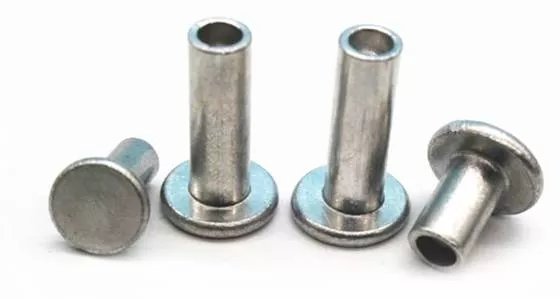
Electrical contact rivet
- Port of dispatchGermany
- Estimate pricing$ 11 – $ 850Est. category range
- AvailabilityIn stock
- Type/ModelSolid or bimetal contact rivet (custom geometries available)
- CustomizationCustom head shapes, shank diameters, lengths, and plating options available
- PackagingBulk in poly bags (1 - 5 kg), cartons (5 - 25 kg), or palletized for large orders
- MOQ BasisStandard: 1,000 - 5,000 pcs; Custom: 5,000 - 10,000 pcs depending on complexity
Products Description
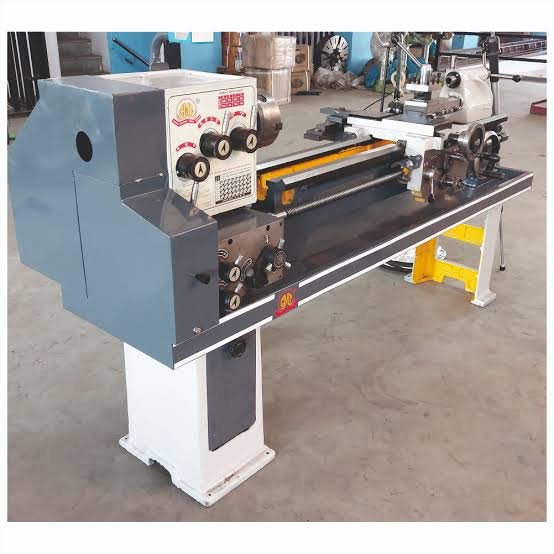
We`re manufacturing a wide range of electrical contat rivets as well as the machines for the production of solid and bimetal contact rivets. Acc. To the wishes of our customers.
Product Categories
Products Specification
- Type/ModelSolid or bimetal contact rivet (custom geometries available)
- MaterialCopper, copper alloy, or bimetal (copper-silver, copper-nickel); confirm with supplier
- Key DimensionsHead diameter: 1.5 - 6.0 mm; Shank diameter: 0.8 - 4.0 mm; Length: 1.0 - 8.0 mm; confirm with supplier
- Color/FinishNatural copper, silver-plated, tin-plated, or gold-flashed; confirm with supplier
- CustomizationCustom head shapes, shank diameters, lengths, and plating options available
- PackagingBulk in poly bags (1 - 5 kg), cartons (5 - 25 kg), or palletized for large orders
- MOQ BasisStandard: 1,000 - 5,000 pcs; Custom: 5,000 - 10,000 pcs depending on complexity
- CertificationsAsk the supplier for RoHS, REACH, or automotive-specific certifications as needed
- Country of OriginGermany
- HS Code8536.90 (Electrical apparatus for switching or protecting electrical circuits)
- Max Operating TemperatureUp to 150°C (standard); higher for specialized alloys; confirm with supplier
- Electrical ResistanceTypically <1 mΩ after installation; confirm with supplier
- HardnessHV 80 - 120 (depending on material and heat treatment); confirm with supplier



Inquire now
Related Products





Post your requirement – Global Trade Plaza
More Electrical contact rivet from Category











Electrical contact rivet from other sellers



Buy Online Wholesale Electrical contact rivet from Supplier & Exporter in Germany
Electrical contact rivets are precision components used in electrical switches, relays, and connectors where reliable conductivity and mechanical strength are critical. These rivets are designed to maintain consistent electrical contact under repeated cycling while resisting wear and corrosion.
Manufactured in Germany by a specialist in contact rivet production, this supplier offers both standard and custom designs to match specific application requirements. Their expertise includes solid and bimetal rivets, supporting high-volume production and specialized geometries.
Typical applications include automotive switches, industrial control panels, and consumer electronics where low contact resistance and long-term durability are required. Lead times and minimum order quantities depend on the chosen customization and volume tier.
Import Wholesale Electrical contact rivet for Your Business Needs
Best Fit & Nearest Alternatives
Best suited for:
- High-cycle switching applications in relays and contactors
- Automotive and industrial control systems requiring consistent conductivity
- Applications where space constraints demand compact rivet designs
Not ideal for:
- Load-bearing structural joints requiring high tensile strength
- High-temperature environments exceeding 200°C without special alloys
- Corrosive chemical environments without appropriate plating
Solid rivets offer higher conductivity but lower wear resistance compared to bimetal versions; bimetal rivets balance conductivity and mechanical durability but may cost more per unit.
What Drives the Price
- Material choice (solid copper vs bimetal vs plated variants)
- Custom geometry (head shape, shank diameter, length tolerances)
- Volume tier (unit price scales with MOQ tiers; request a quote)
Pricing is tiered based on order volume; lower per-unit cost at higher volumes. Contact the supplier for exact volume-based pricing.
Lead Time, Shipping & Returns
- Lead time: Typical lead time ranges from 2-6 weeks depending on customization and order volume; confirm with supplier.
- Shipping: Standard modes include sea freight for bulk orders and air freight for urgent smaller shipments. Packaging is designed for export durability.
- Returns & defects: Returns are accepted within 30 days for verified defects or non-conformance to specifications. Inspection must occur before installation; damage during handling voids return eligibility.
Handling & Application Notes
- Store in dry, temperature-controlled environments to prevent oxidation or plating degradation.
- Avoid mechanical shock during insertion to prevent deformation or misalignment.
- Use calibrated tooling for installation to maintain specified clamp force and alignment.
About Supplier
Bechtold Kontakte GmbH is a German manufacturer specializing in electrical contact rivets and dedicated contact-rivet production machinery. Their focus includes solid and bimetal rivets tailored to customer specifications.
With decades of experience in contact technology, they serve industries requiring high-reliability electrical connections, including automotive, industrial controls, and renewable energy. Their in-house tooling capabilities allow for rapid prototyping and custom runs.
Supplier Details for Electrical contact rivet
- Established - 13 Jun, 2025
- Business Type - Manufacturer
- Deals in Product Type - Electrical Components - Contact Rivets
- Country - Germany
Frequently Asked Questions (FAQs) on Electrical contact rivet
1. Can bimetal rivets be used in high-temperature applications?
Bimetal rivets (e.g., copper-silver) can tolerate higher temperatures than pure copper but are typically rated up to 180 - 200°C. For applications exceeding this, consult the supplier for specialized alloys or coatings.
2. What plating options are available for corrosion resistance?
Common plating options include tin, silver, and gold. Tin offers good corrosion resistance and solderability; silver improves conductivity; gold is used for low-contact-resistance applications. Confirm plating type and thickness with the supplier.
3. How is the rivet’s dimensional accuracy ensured?
Dimensional accuracy is maintained through precision stamping and secondary sizing operations. Tolerances are typically ±0.02 mm on critical dimensions; confirm with supplier for specific tolerances.
4. What is the typical shelf life of plated rivets?
Plated rivets should be used within 12 months of receipt when stored in controlled conditions. Exposure to humidity or corrosive atmospheres can shorten shelf life; confirm storage recommendations with the supplier.
5. Can the supplier provide rivets with customer-specific head profiles?
Yes, the supplier supports custom head profiles (e.g., dome, countersunk, flat) to match application geometry. Design files or samples are typically required for tooling setup.
6. What documentation accompanies bulk shipments?
Standard shipments include a certificate of conformity (CoC), material test report (MTR), and packing list. Ask the supplier for compliance documentation relevant to your industry (e.g., automotive, aerospace).
7. Is pre-assembly or pre-tinning available?
Pre-assembly into sub-assemblies or pre-tinning of rivet heads can be arranged. This is typically offered for volume orders and requires tooling setup; confirm feasibility and lead time with the supplier.
8. How are rivets packaged for export to prevent transit damage?
Rivets are packaged in sealed poly bags with desiccant for moisture control, then boxed in sturdy cartons or wooden crates for export. Internal partitioning prevents movement during transit.
Explore Top Product Categories
- Alcohol Based Hand Sanitizer
- Paper Soap
- Antibacterial Hand Wash
- Cosmetic Kits
- Detergent Chemicals
- Industrial Chemicals
- Laboratory Chemicals
- Leather Chemicals
- Car Accessories
- Motorcycle Parts
- Automobile Brakes Spare Parts
- Motorcycle, Scooters & ATV Bikes
- Building Construction Machineries & Equipments
- Bricks
- Cupboards, Door, Gates, Grills & Windows
- Wall Tiles
- Filters, Water Treatment Plants
- Household Cleaning Products
- Wiping Rags, Mops, Dusters, Sponge, Brushes, Scourer
- Soap & Detergent
- Industrial Gears & Gear Boxes
- Machined Components
- Bolts
- Nuts
- Food Packaging Bags
- Wooden Packaging Boxes
- Offset Printing Machinery & Equipments
- Packaging Machinery
Related Products
SMD 3 IN 1 LED ModulePS3 KEM-400AAASpeaker meshLED moduleLow melting point glass powderMagnetsArcade game machine accessoriesSheet metal enclosuresSoftware house water level controllerQ-switch Crystals11KV GI PinGreen LEDSemi conductor devicesKam 2.5v3000fsupercapacitorNanocrystalline alloy toroidal coresDouble-Sided PCBMSP203 signal converterLCDNS Series ICVishay Series ICFlexible pcb, flex fpc boardGarage door remote controlUniversal remote transmitter and receiverUniversal remote control for garage doorEthink spa controller(kl8-3)Spa control system(kl6600)Ethink spa controller(kl8200)
Related Categories
Electric ComponentsAdaptorsBatteries & ChargersCVTCable AssembliesCable Glands & ReelsCapacitorsCoaxial CablesCoffee & Tea MakersDC, AC Inverters & ConvertersDiesel GeneratorsEHV Switch YardsEarthing EquipmentsElectric AlternatorsElectric ArrestersElectric BellsElectric BuzzersElectric CathodeElectric Ceiling FansElectric Chokes & BallastElectric Circuit BreakersElectric ConductorsElectric ConduitsElectric ConnectorsElectric ContactorsElectric Cooking MachineElectric Cooling Fans