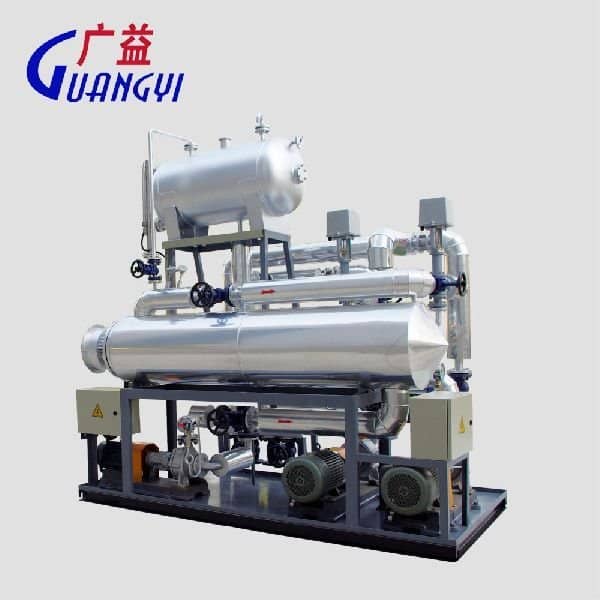
Electric Furnace
- Estimate pricingPrice on request
Your request goes to Classics Engineers. Follow up with them in Messages on Global Trade Plaza.
Products Description
Electric furnace, heating chamber with electricity as the heat source for achieving very high temperatures to melt and alloy metals and refractories. The electricity has no electrochemical effect on the metal but simply heats it. Electric furnaces produce roughly two-fifths of the steel made in the united states. They are used by specialty steelmakers to produce almost all the stainless steels, electrical steels, tool steels, and special alloys required by the chemical, automotive, aircraft, machine-tool, transportation, and food-processing industries. Electric furnaces also are employed, exclusively, by mini-mills, small plants using scrap charges to produce reinforcing bars, merchant bars (e.G., angles and channels), and structural sections. The german-born british inventor sir william siemens first demonstrated the arc furnace in 1879 at the paris exposition by melting iron in crucibles. In this furnace, horizontally placed carbon electrodes produced an electric arc above the container of metal. The first commercial arc furnace in the united states was installed in 1906; it had a capacity of four tons and was equipped with two electrodes. Modern furnaces range in heat size from a few tons up to 400 tons, and the arcs strike directly into the metal bath from vertically positioned, graphite electrodes. Although the three-electrode, three-phase, alternating-current furnace is in general use, single-electrode, direct-current furnaces have been installed more recently.
Product Categories
Products Specification
- Contact Seller



Get a quote from Classics Engineers

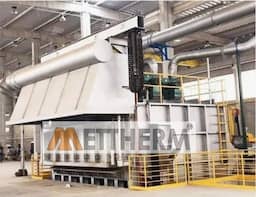

More Electric Furnace from Category
Post your requirement – Global Trade Plaza
Describe what you need once. Suppliers who deal in it see your requirement as a buy lead and can send you offers.
Buy Online Wholesale Electric Furnace from Supplier & Exporter in India
The Electric Furnace uses electricity as the heat source to achieve very high temperatures for melting and alloying metals and refractories, with no electrochemical effect on the metal. Electric furnaces produce roughly two-fifths of the steel made in the United States and are used by specialty steelmakers to produce stainless steels, electrical steels, tool steels, and special alloys for the chemical, automotive, aircraft, machine-tool, transportation, and food-processing industries. They are also employed exclusively by mini-mills using scrap charges to produce reinforcing bars, merchant bars, and structural sections. The first commercial arc furnace in the United States was installed in 1906 with a capacity of four tons and two electrodes; modern units range from a few tons up to 400 tons in heat size and use vertically positioned graphite electrodes.
Import Wholesale Electric Furnace for Your Business Needs
The seller has not added a specification yet; ask for the data sheet or test certificate. Ask Classics Engineers for a firm quote and delivery terms before you order.
About Supplier
Classics Engineers is a B2B supplier based in India, listed on Global Trade Plaza since October 2026. Use Inquire now or Chat with supplier to ask Classics Engineers for prices, specifications and documents for Electric Furnace.
Supplier Details for Electric Furnace
- Member since - Oct 2026
- Business Type - Contact Seller
- Deals in Product Type - Industrial Heaters, Burners, Furnaces & Ovens
- Country - India
Frequently Asked Questions (FAQs) on Electric Furnace
1. What is the Seller’s Policy on Payment for Electric Furnace?
Ask Classics Engineers which payment terms they accept for Electric Furnace. Agree the payment terms in writing with the supplier before you pay.
2. How to Place an Order for Electric Furnace with Classics Engineers?
Click Get a quote to send your requirement to the supplier Use Chat with supplier to ask questions Post your requirement to hear from other suppliers too
Placing an order for Electric Furnace with Classics Engineers is quick and straightforward on Global Trade Plaza, a leading B2B marketplace for global buyers and suppliers. You can:
3. What Should You Consider When Buying Electric Furnace Online in 2025?
Product specifications (material, durability, features) Quality certifications and compliance Supplier credibility and customer reviews Minimum Order Quantity (MOQ) and bulk pricing Lead time and delivery timelines
When purchasing Electric Furnace from a B2B marketplace in 2025, focus on the following critical factors:
Comparing prices and communicating directly with Classics Engineers can help ensure value for money and better sourcing decisions.
4. Who Are the Top B2B Importers and Buyers of Electric Furnace on Global Trade Plaza?
Visit the Buy Leads section Filter by industry, product type, or country Create an account to access full buyer contact details
Global Trade Plaza is home to B2B buyers, wholesalers, distributors, and importers of Electric Furnace across industries and countries. To discover the most active and high-value buyers:
5. What is the Port of Dispatch, Estimated Price, and Packaging Type Offered by Classics Engineers?
Classics Engineers, a B2B supplier from India, dispatches Electric Furnace primarily through the port at India. Packaging types (e.g., bulk, custom, eco-friendly) and estimated pricing may vary based on order volume and destination. To get detailed logistics and pricing information, use Get a quote or Chat with supplier, or Sign Up for direct supplier interaction.




Explore Top Product Categories
- Alcohol Based Hand Sanitizer
- Paper Soap
- Antibacterial Hand Wash
- Cosmetic Kits
- Detergent Chemicals
- Industrial Chemicals
- Laboratory Chemicals
- Leather Chemicals
- Car Accessories
- Motorcycle Parts
- Automobile Brakes Spare Parts
- Motorcycle, Scooters & ATV Bikes
- Building Construction Machineries & Equipments
- Bricks
- Cupboards, Door, Gates, Grills & Windows
- Wall Tiles
- Filters, Water Treatment Plants
- Household Cleaning Products
- Wiping Rags, Mops, Dusters, Sponge, Brushes, Scourer
- Soap & Detergent
- Industrial Gears & Gear Boxes
- Machined Components
- Bolts
- Nuts
- Food Packaging Bags
- Wooden Packaging Boxes
- Offset Printing Machinery & Equipments
- Packaging Machinery
Related Products
300~1200 C Test Furnace For ThermocoupleElectric Induction Melting Gold Furnace1-5kg15kw Medium Frequency Copper Melting FurnaceHigh Temperature Heating Box Type Muffle Furnace2 Ton Boiler Use Waste Oil BurnerHotsell 200000btu Waste Oil Heater For SalePortable Waste Oil Heater With Canvas Tube200000kcal Waste Oil Burner Factory For Sale300000kcal Waste Oil Burner Factory For SaleKv-50 500000kcal Waste Oil Burner800-1000sq.M Portable Waste Oil HeaterBar Hardening And Tempering LineBar Quenching FurnaceBlast Furnace Gas Fired BoilerFurnaceAluminium Air And Water Profile Quenching SystemHigh Efficiency Cooling SystemHigh Pressure Spray QuenchingExtrsuion Profile Air And Water Cooling SystemAluminium Extrsuion Forced Air CoolingAluminum Melting and Holding Crucible FurnaceGas Fired Alu Melting & Holding Crucible FurnaceLead Copper Zinc Smelting Rotary Tilting Furnace1700 Chamber FurnaceFacerom 1700C Bottom Lifting FurnaceBoiler tubeSmall Induction Furnace With Aluminum Shell
Related Categories
Industrial Heaters, Burners, Furnaces & OvensAbrasivesAnchorsBattery ScrapsBearingBoltsCement BagsClampsClipsDies & MouldingsFastenersFlangesGarbage BagsGasketsGlues & AdhesivesGrinding WheelHeat ExchangersHooks And LoopsHydraulic EquipmentsIndustrial BagsIndustrial BatteriesIndustrial Belts & StrapsIndustrial Brakes & ClutchesIndustrial Chains, Anchor & HooksIndustrial ClothingIndustrial CompressorsIndustrial Couplings