
Egyptian Crushed leaves of Basil
- Port of dispatchEgypt
- Estimate pricing$ 2.17 – $ 200.5Est. category range
- AvailabilityIn stock
- Type/ModelCrushed dried leaves of Ocimum Basilicum
- MaterialDried leaves of basil (Ocimum Basilicum, family Lamiaceae)
- Color/FinishGreen to olive-green; may include light brown stems
- Packaging20 kg woven polypropylene bags with inner polyethylene liner
Products Description
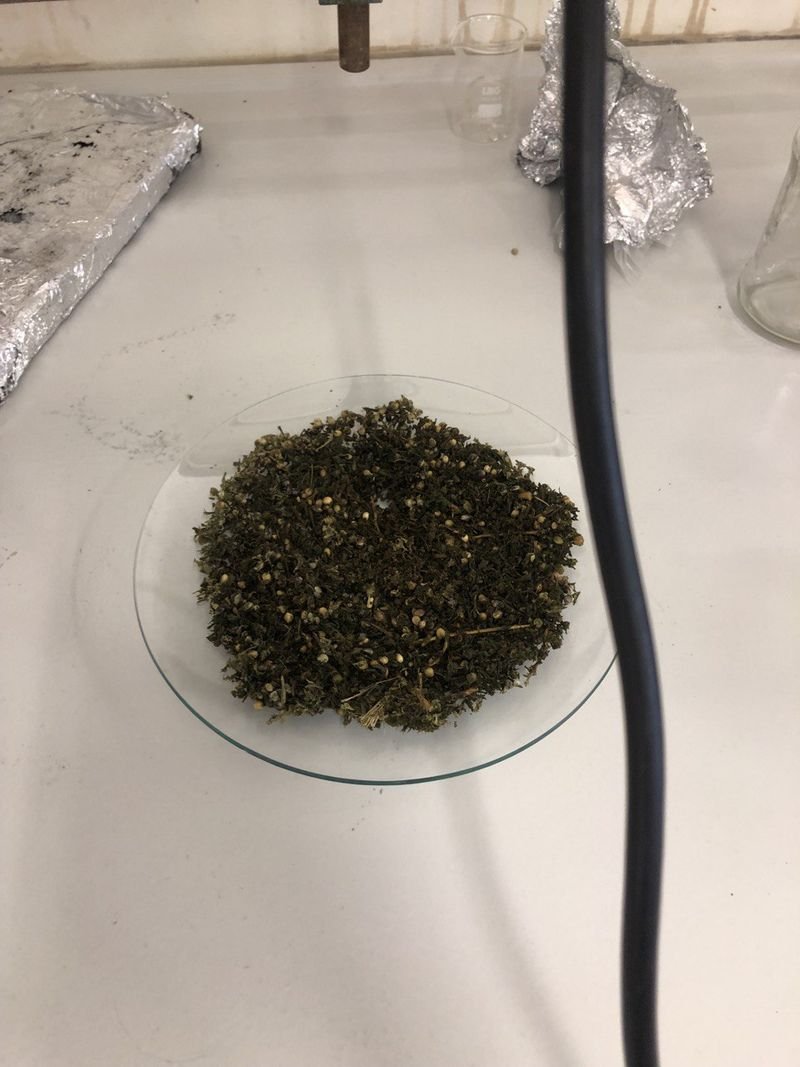
Egyptian Crushed leaves of Basil / Dried Basil / Basil Leaves Botanical name: Ocimum Basilicum Family: Lamiaceae HS Code: 12119000 Origin: Egypt Packing: 20 kg bags Cultivation: Common Dried Method: Air Dried Stories of Ancient Egyptian & Basil: 1- Basil juice is used in the treatment of some ear diseases. 2- Basil seeds when boiling are used as a calming 3- Against urinary incontinence 4- It is a diuretic
Product Categories
Products Specification
- Type/ModelCrushed dried leaves of Ocimum Basilicum
- MaterialDried leaves of basil (Ocimum Basilicum, family Lamiaceae)
- Key DimensionsCrushed; typical particle size ranges from fine flakes to coarse grit (confirm with supplier)
- Color/FinishGreen to olive-green; may include light brown stems
- CustomizationAvailable as coarse or fine crush; organic and conventional options (confirm with supplier)
- Packaging20 kg woven polypropylene bags with inner polyethylene liner
- MOQ Basis20 kg bag minimum; bulk discounts available (confirm with supplier)
- CertificationsAsk the supplier (common options: organic, kosher, halal, non-GMO)
- Country of OriginEgypt
- HS Code12119000
- Moisture ContentTypically 8 - 12% (confirm with supplier)
- Aroma ProfileFresh, slightly sweet, herbaceous with hints of clove and anise (typical for Ocimum Basilicum)
- Cultivation PracticeConventional or organic (confirm with supplier)


Inquire now
Post your requirement – Global Trade Plaza
Other Products from Seller


















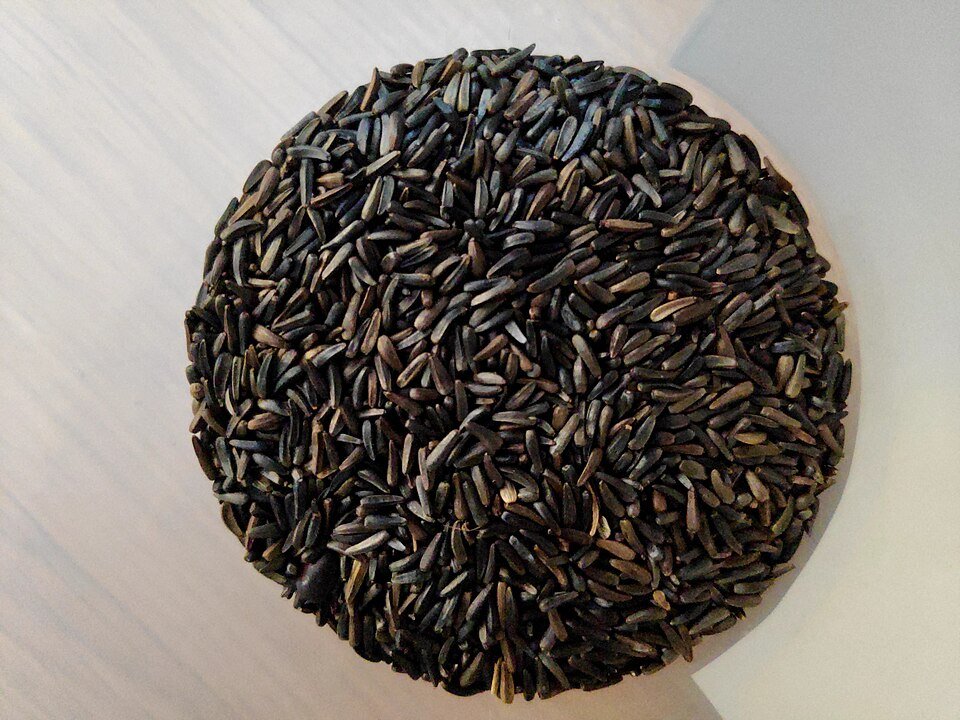


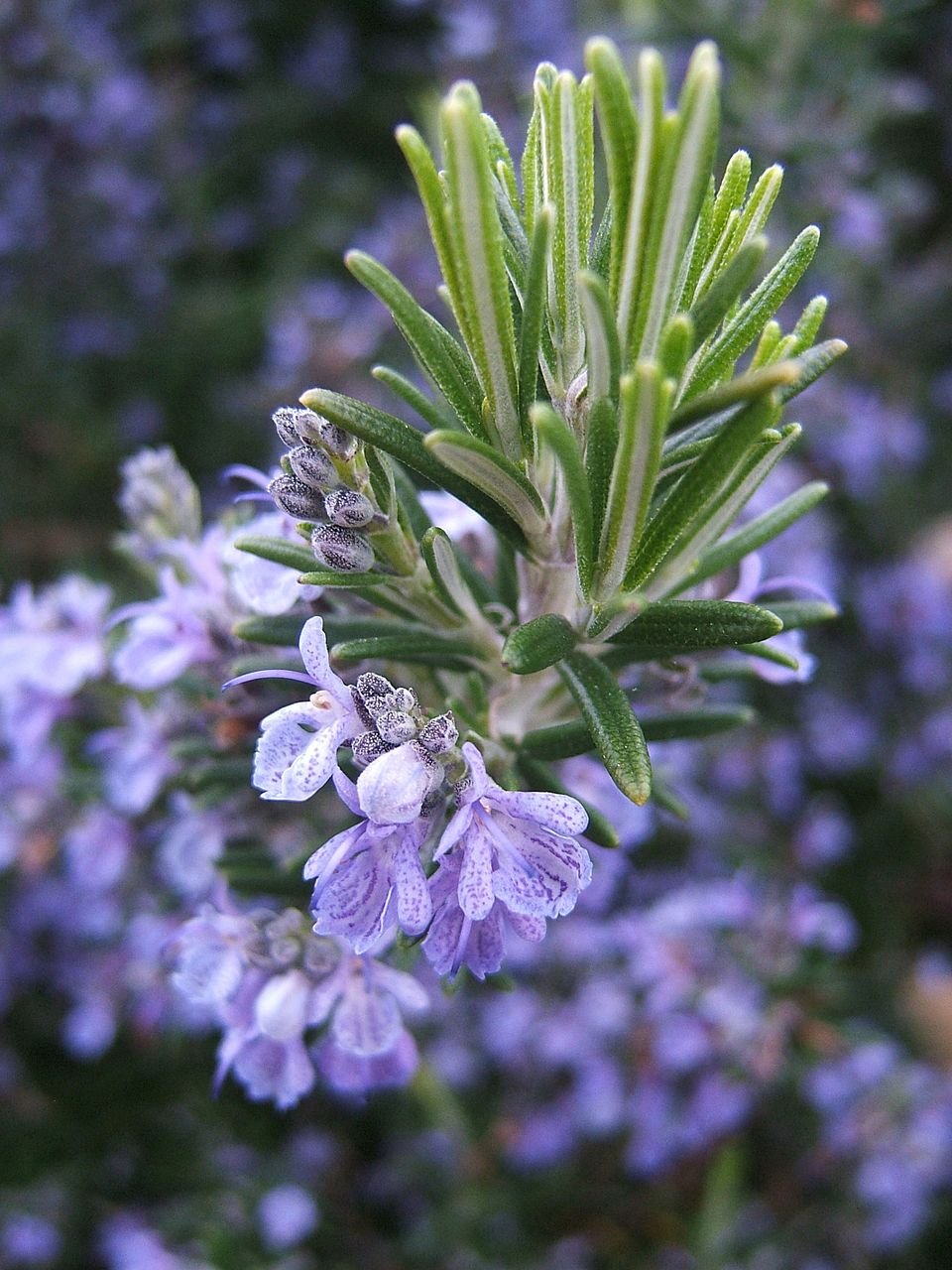

































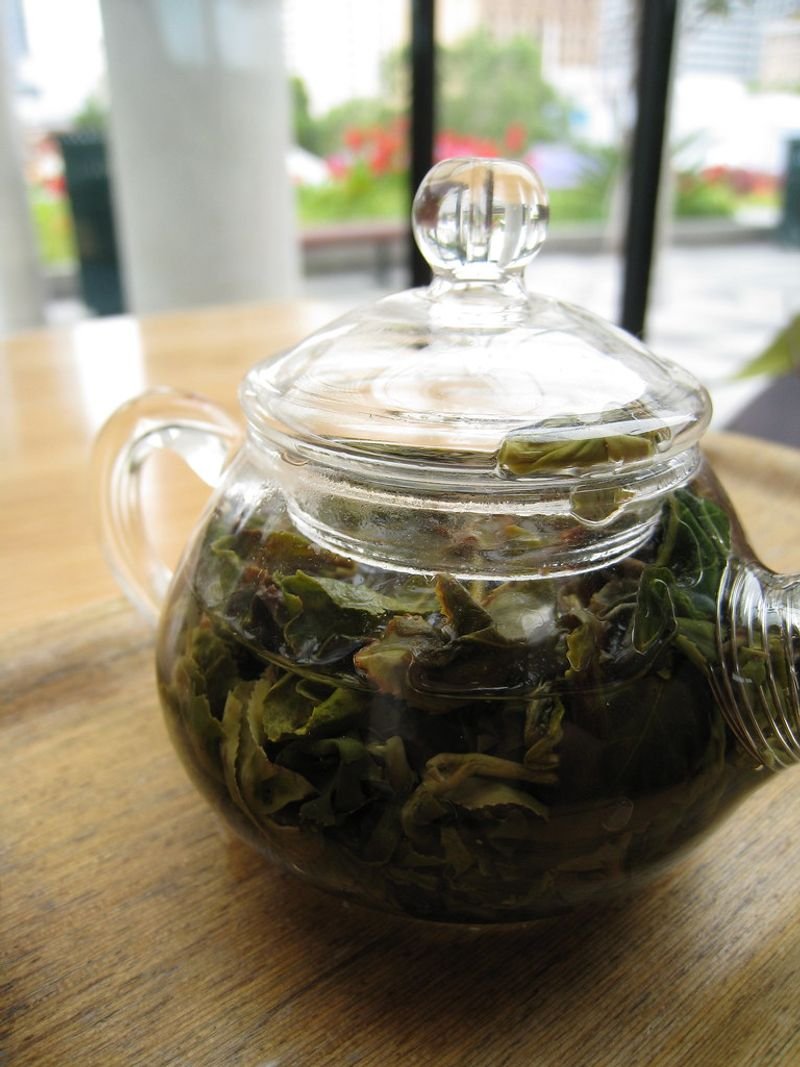


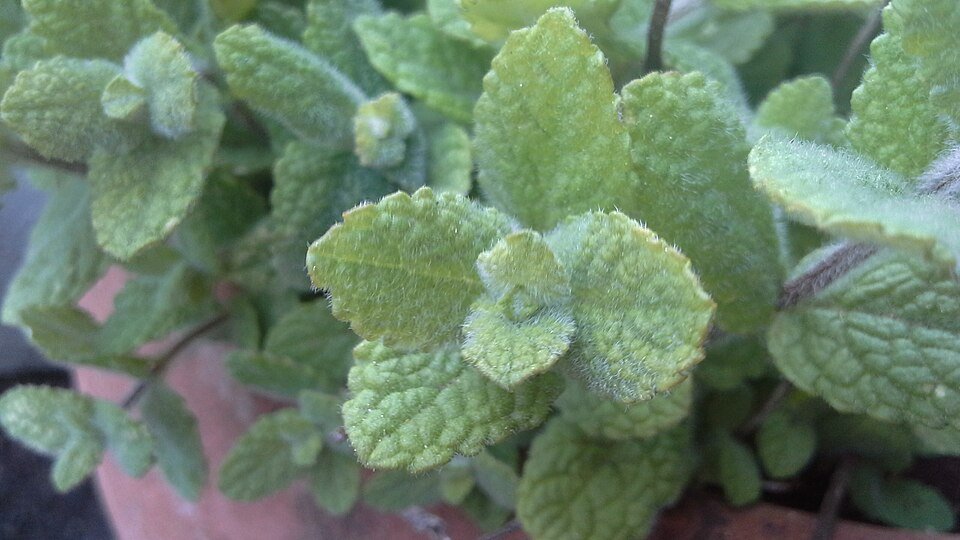

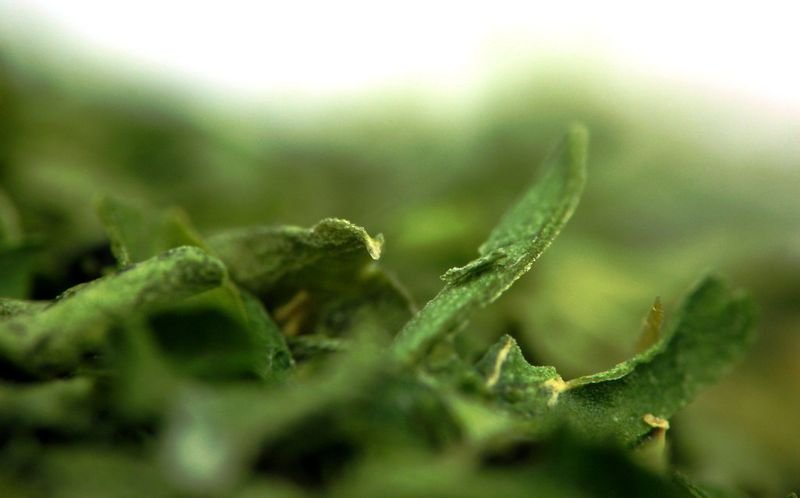



















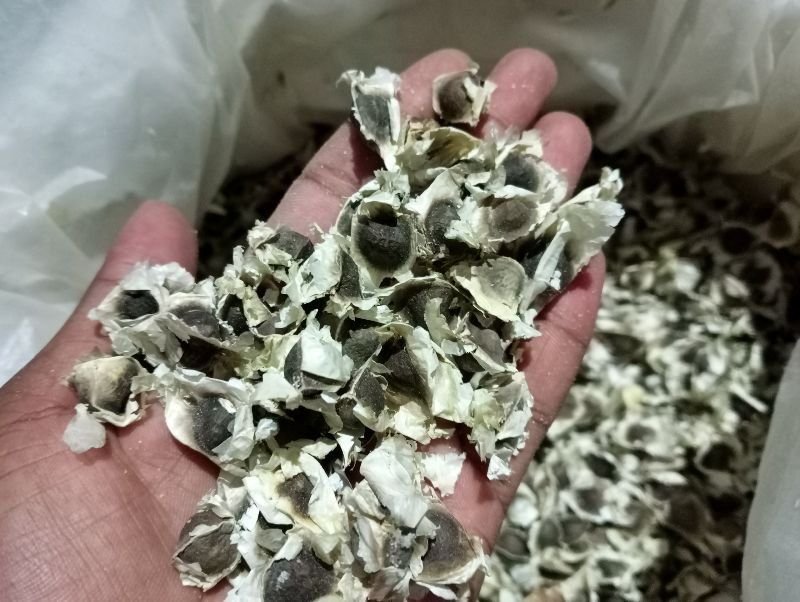
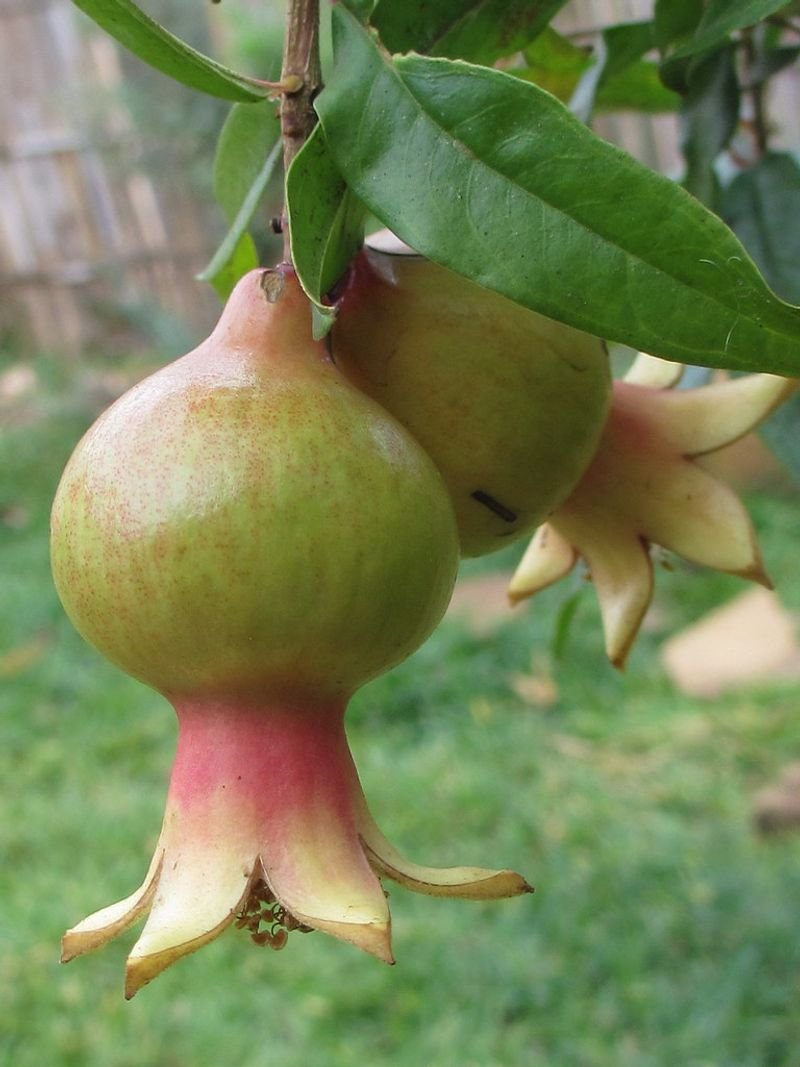
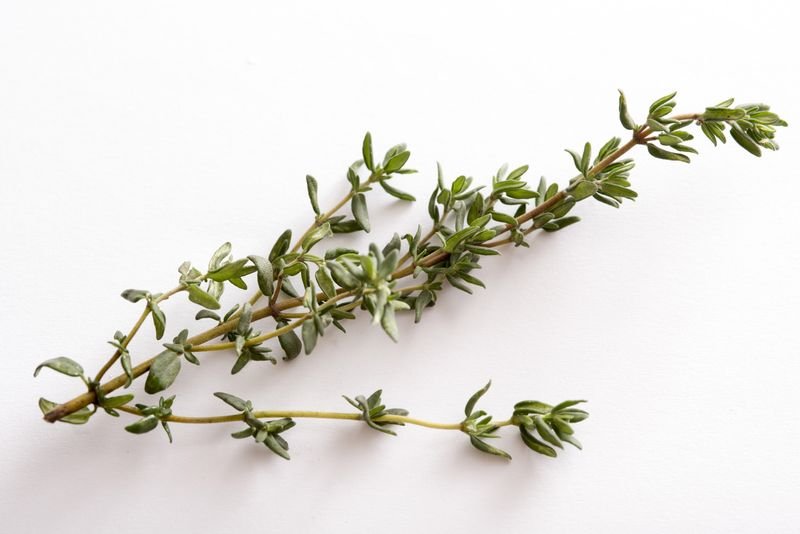















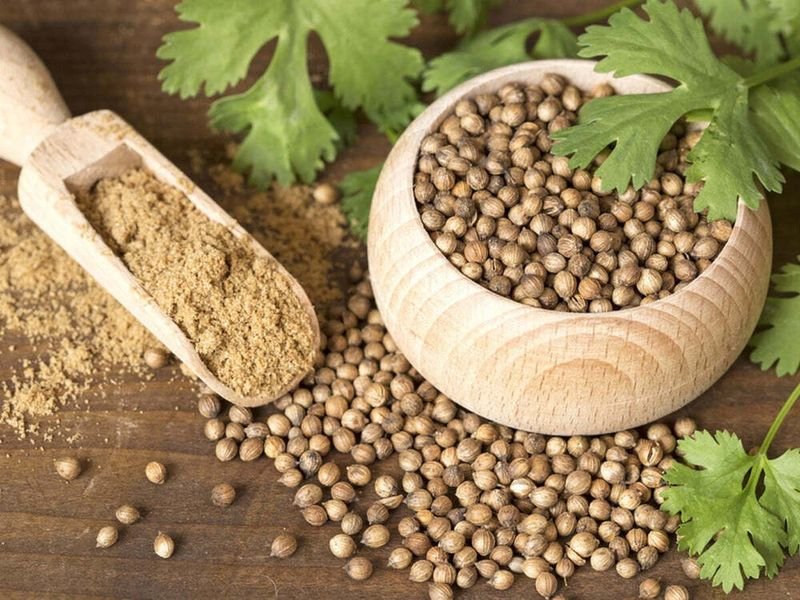


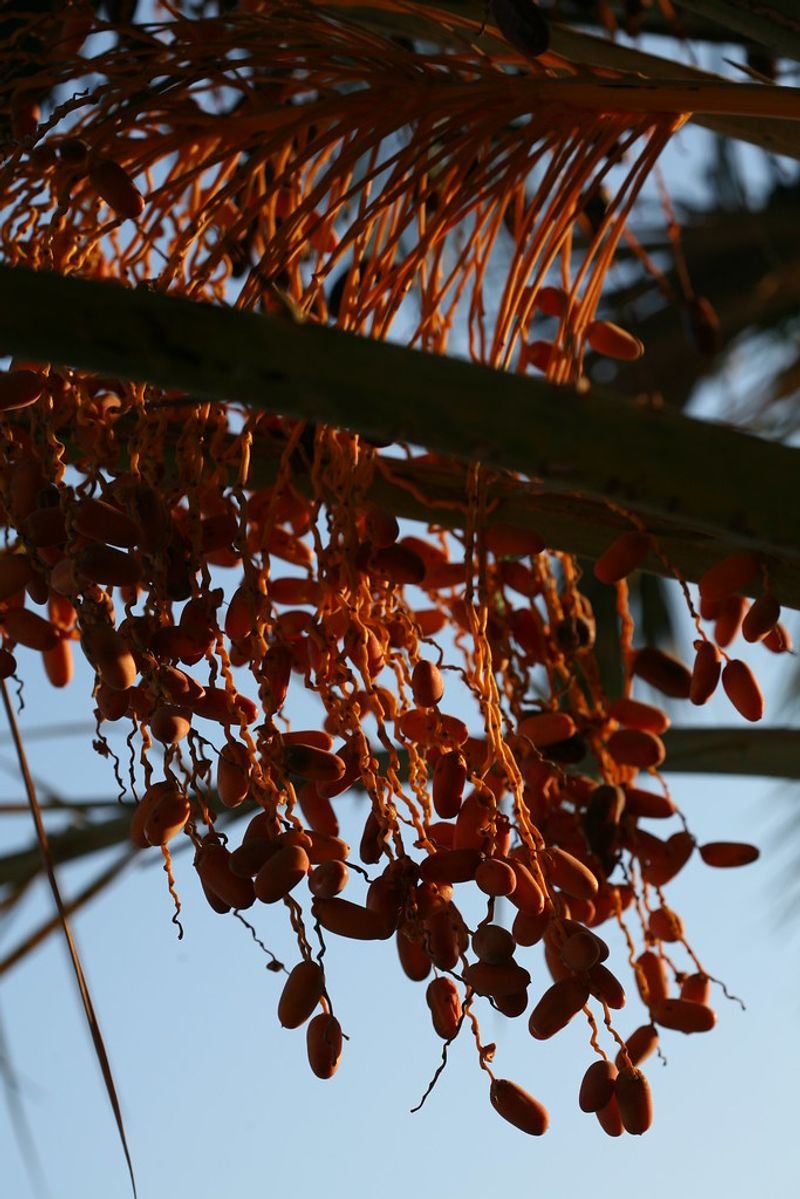
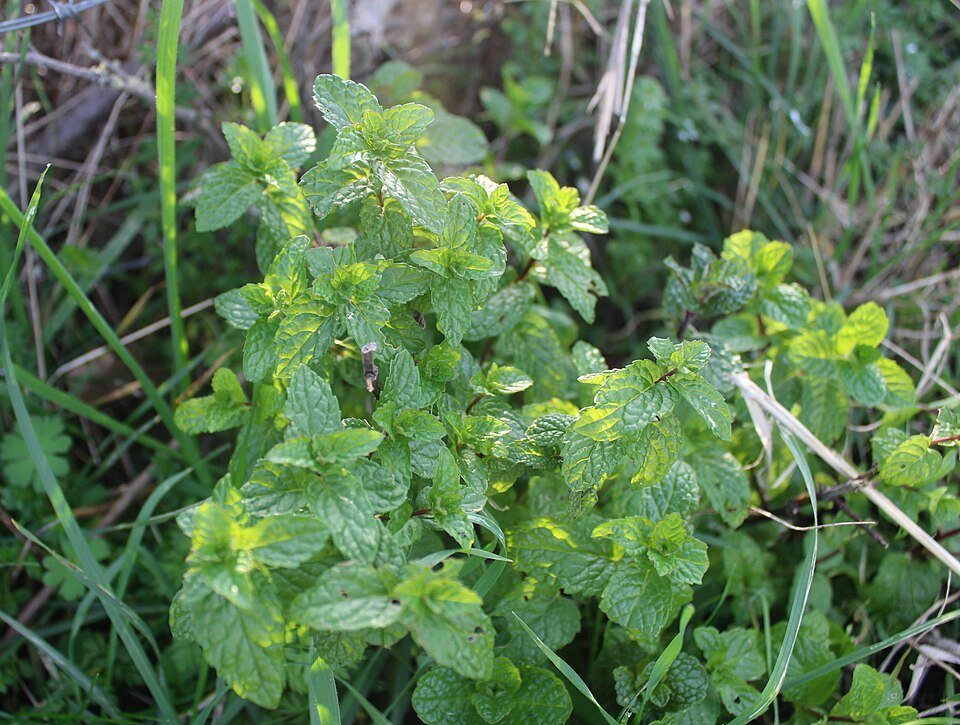

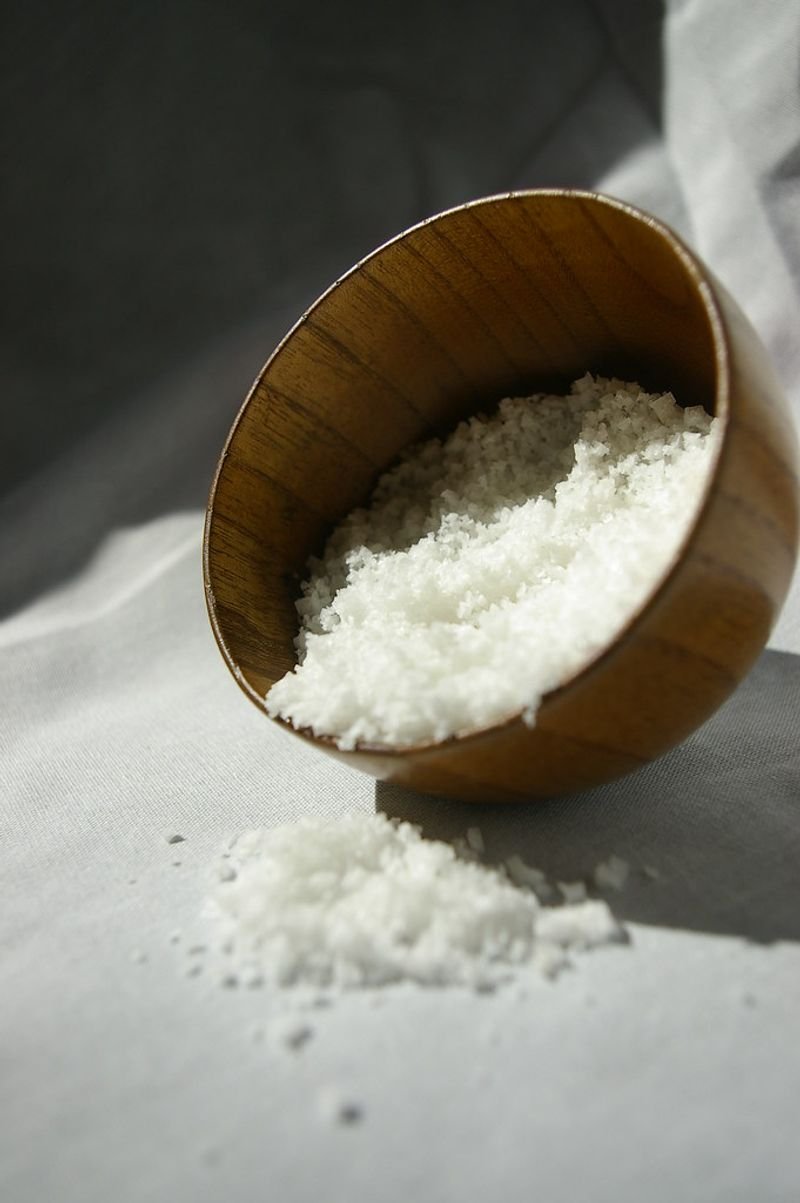

















More Egyptian Crushed leaves of Basil from Category









Egyptian Crushed leaves of Basil from other sellers
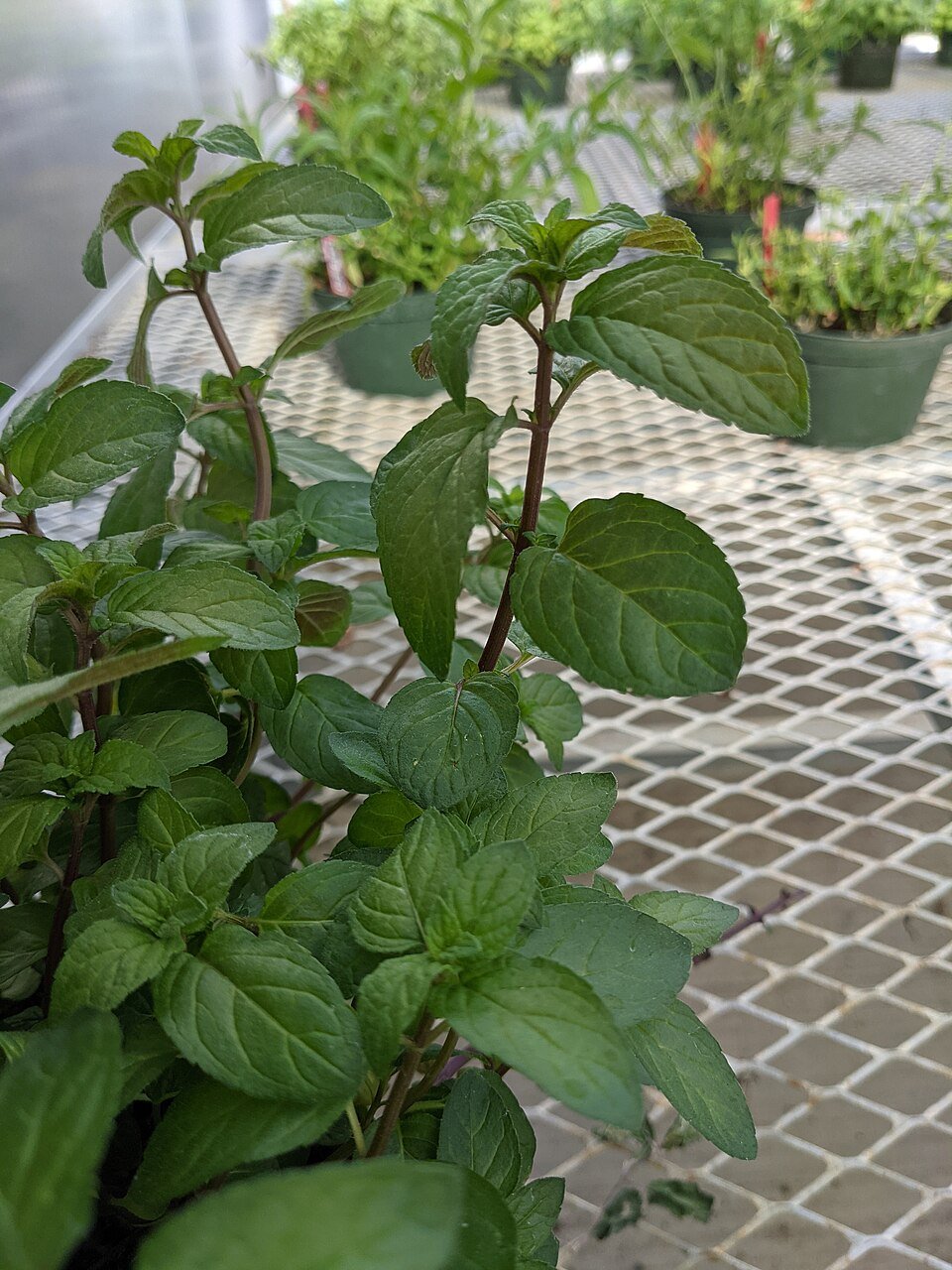
Buy Online Wholesale Egyptian Crushed leaves of Basil from Supplier & Exporter in Egypt
Egyptian Crushed leaves of Basil are air-dried, whole-leaf pieces sourced from the Lamiaceae family plant Ocimum Basilicum. This culinary and medicinal herb is widely used in food manufacturing, herbal teas, and traditional remedies. The crushed form ensures consistent flavor release and ease of blending.
The product is cultivated in Egypt and processed using traditional air-drying methods to preserve aroma and color. It is commonly used in Middle Eastern, Mediterranean, and Asian cuisines, as well as in natural health products. The botanical origin is confirmed as Ocimum Basilicum.
This grade is suitable for bulk buyers in food, beverage, dietary supplements, and aromatherapy industries. It is not a substitute for essential oils or fresh basil. Always confirm organoleptic properties - aroma and appearance - upon receipt to ensure batch consistency.
Import Wholesale Egyptian Crushed leaves of Basil for Your Business Needs
Best Fit & Nearest Alternatives
Best suited for:
- Food manufacturers (seasonings, sauces, ready meals)
- Beverage producers (herbal infusions, functional drinks)
- Dietary supplement makers (capsules, extracts)
- Aromatherapy and herbal product formulators
- Cosmetic and personal care product developers
Not ideal for:
- Essential oil distillation (requires fresh or steam-distilled material)
- Fresh culinary applications (this is a dried product)
- High-moisture formulations (risk of rehydration or mold)
Compared to whole dried basil leaves, crushed basil offers faster flavor release and better blending in powders and extracts. It is less expensive per kilogram than basil essential oil but lacks the concentrated aroma of oil or oleoresin.
What Drives the Price
- Cultivation region and farming practices (organic vs conventional)
- Processing method (air-dried vs sun-dried; stem inclusion level)
- Moisture content and particle size uniformity
- Certification status (organic, kosher, halal, etc.)
- Packaging weight and material (jute vs poly-lined bags)
Pricing scales with order volume and minimum order quantity (MOQ). Larger orders typically attract tiered pricing. Request a formal quote based on your annual or monthly usage to secure best terms.
Lead Time, Shipping & Returns
- Lead time: Typical lead time from confirmed order is 10 - 20 business days, depending on seasonality and supplier capacity. Always confirm with the supplier during negotiations.
- Shipping: Common shipping modes include 20-foot containers for bulk orders, palletized LCL shipments for smaller quantities, and air freight for urgent orders. Packaging is 20 kg woven bags with inner liners.
- Returns & defects: Defective or non-conforming lots may be returned within 7 - 14 days of delivery, subject to inspection and supplier approval. Claims must be supported by photos and moisture analysis. Always perform quality checks upon arrival.
Handling & Application Notes
- Store in a cool, dry place away from direct sunlight to preserve aroma and color. Use within 12 - 18 months of production for best quality.
- For optimal flavor extraction, crush further just before use or steep in hot (not boiling) water for 5 - 10 minutes.
- Not recommended for high-temperature extrusion or baking above 160°C, as this can degrade volatile aromatic compounds.
About Supplier
This supplier is an established exporter of Egyptian dried herbs, including basil, mint, and hibiscus. They source from licensed farms in the Nile Delta region and operate under food safety and quality management systems.
The company has experience supplying bulk buyers in Europe, North America, and the Middle East. They offer private labeling options and can arrange phytosanitary certificates upon request. Ask the supplier for current certifications and audit reports.
Supplier Details for Egyptian Crushed leaves of Basil
- Established - 11 Jun, 2025
- Business Type - Exporter
- Deals in Product Type - Herbs & Botanicals - Dried Culinary Herbs
- Country - Egypt
Frequently Asked Questions (FAQs) on Egyptian Crushed leaves of Basil
1. Is this product suitable for making basil essential oil?
No. This product is a dried leaf product; essential oil requires steam distillation or solvent extraction of fresh or partially dried material.
2. What is the typical moisture content range?
Typical moisture content is 8 - 12%. Excess moisture can promote mold or caking; confirm with supplier before purchase.
3. Can it be used in herbal teas and infusions?
Yes. The crushed form is ideal for tea blends and infusions due to rapid flavor release.
4. Are organic and kosher options available?
Yes. Ask the supplier about organic, kosher, halal, or non-GMO certified versions.
5. What is the recommended storage temperature?
Store below 25°C in a dry, ventilated area. Avoid exposure to heat or humidity to preserve quality.
6. Can this basil be used in cosmetics or skincare?
Yes, when used as a fragrance component or botanical extract in formulations. Ensure compliance with cosmetic regulations in your target market.
7. How should I verify the botanical identity upon receipt?
Perform organoleptic testing (aroma, color, texture) and consider a simple microscopy check for leaf structure. Request a Certificate of Analysis (CoA) for confirmation.
8. What documentation accompanies shipments?
Standard documentation includes a Certificate of Origin, phytosanitary certificate (if required), commercial invoice, and packing list. Ask the supplier for a sample CoA.
Explore Top Product Categories
- Alcohol Based Hand Sanitizer
- Paper Soap
- Antibacterial Hand Wash
- Cosmetic Kits
- Detergent Chemicals
- Industrial Chemicals
- Laboratory Chemicals
- Leather Chemicals
- Car Accessories
- Motorcycle Parts
- Automobile Brakes Spare Parts
- Motorcycle, Scooters & ATV Bikes
- Building Construction Machineries & Equipments
- Bricks
- Cupboards, Door, Gates, Grills & Windows
- Wall Tiles
- Filters, Water Treatment Plants
- Household Cleaning Products
- Wiping Rags, Mops, Dusters, Sponge, Brushes, Scourer
- Soap & Detergent
- Industrial Gears & Gear Boxes
- Machined Components
- Bolts
- Nuts
- Food Packaging Bags
- Wooden Packaging Boxes
- Offset Printing Machinery & Equipments
- Packaging Machinery
Related Products
Egyptian Basil PowderGround BasilYellow Dried LemonLemon Grass GrassDried MolokhiaSpear MintZaatarSage HerbCoriander Coriandrum SativumSage LeavesBasil DriedBasilLupin LegumeMolokhiaBoron 20CabbageCauliflowerGreen CorianderArbiCapsicumBetel LeavesRed PumpkinPopcornSafflowers SeedsYellow CornNatural Sisal Fiber Kenyan OriginClove , Fenugreek , Cumin
Related Categories
Agriculture ProductsAgriculture Machinery & EquipmentAgriculture Fertilizers & PesticidesFlowers And Plants Related ProductsAgricultureAgriculture BagsAgriculture Choppers, Shredders & CuttersAgriculture Farm TractorsAgriculture SeedsBactericidesDAP (Diammonium Phosphate)1121 Basmati RiceAjwa DatesAlmondsAgapanthus Flower BulbsAloe VeraAmaryllis Lily Flower Bulbs