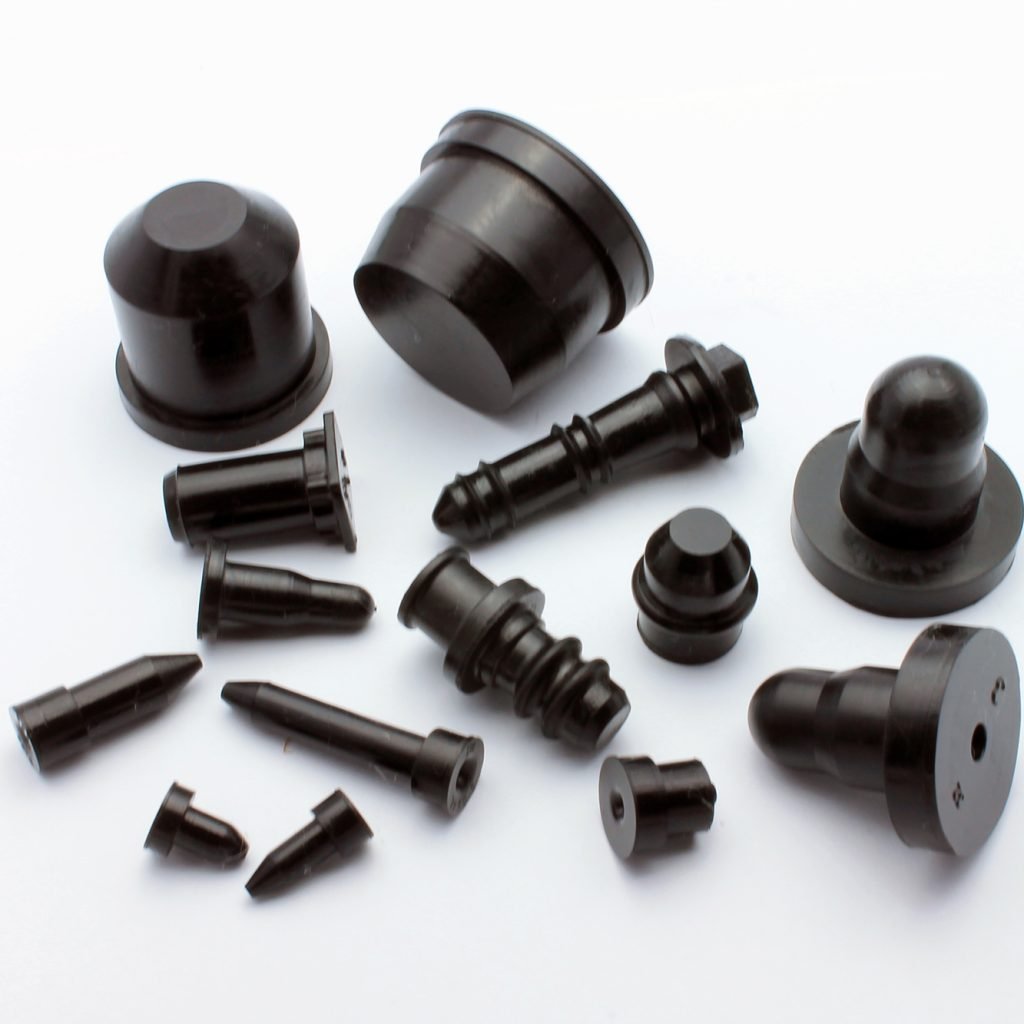
Deep drawn parts
- Port of dispatchChina
- Estimate pricing$ 480 – $ 10000Est. category range
- AvailabilityIn stock
- Type/ModelDeep drawn parts
- CustomizationFull customization available: geometry, material, surface treatment, and secondary operations (e.g. piercing, threading)
- MOQ BasisPer part number; varies by complexity and material (e.g. 500 - 5,000 pcs)
- Certificationsask the supplier (e.g. ISO 9001, IATF 16949, REACH, RoHS)
Products Description
Deep drawn parts
Buy Deep drawn parts Wholesale– Import Direct from Verified Supplier China Jiajia Machery. These Deep drawn parts are available in bulk quantities with consistent quality assurance and competitive wholesale pricing. Ideal for retailers, importers, industrial users, and B2B Buyers, these Deep drawn parts offer exceptional durability, affordability, and market-ready quality for wholesale and distribution. Global Trade Plaza makes international trade simple, secure, and scalable.
Product Categories
Products Specification
- Type/ModelDeep drawn parts
- MaterialConfirm with supplier (e.g. DC01 steel, 304 stainless, 5052 aluminum, copper alloys)
- Key DimensionsConfirm with supplier (e.g. outer diameter, wall thickness, depth, flange size)
- Color/FinishConfirm with supplier (e.g. bare metal, zinc-plated, anodized, powder-coated)
- CustomizationFull customization available: geometry, material, surface treatment, and secondary operations (e.g. piercing, threading)
- PackagingCarton boxes, wooden crates, or palletized, depending on size and fragility - confirm with supplier
- MOQ BasisPer part number; varies by complexity and material (e.g. 500 - 5,000 pcs)
- Certificationsask the supplier (e.g. ISO 9001, IATF 16949, REACH, RoHS)
- Country of OriginChina
- HS CodeConfirm with supplier
- ToleranceTypically ±0.1 mm to ±0.5 mm depending on feature and material
- Surface RoughnessRa 0.8 - 3.2 µm standard; smoother finishes available with additional processing
- Wall Thickness0.3 mm - 6 mm typical; thinner or thicker walls possible with specialized tooling



Inquire now
Related Products


Post your requirement – Global Trade Plaza
Other Products from Seller

More Deep drawn parts from Category











Deep drawn parts from other sellers


Buy Online Wholesale Deep drawn parts from Supplier & Exporter in China
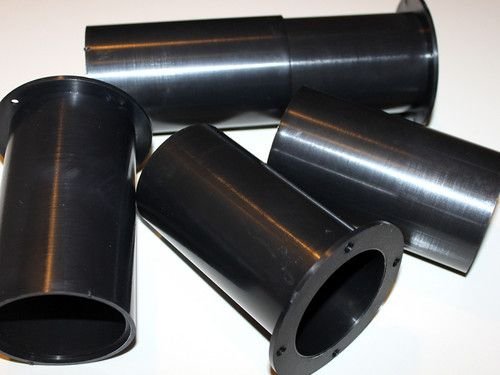
Deep drawn parts are precision-engineered components produced by drawing sheet metal into complex shapes through a series of forming operations. This process ensures high structural integrity and dimensional accuracy, making them ideal for applications requiring tight tolerances and repeatable performance.
Commonly used in industries such as automotive, aerospace, electronics, and household appliances, deep drawn parts offer lightweight yet durable solutions that reduce material waste during manufacturing. Their seamless construction eliminates the need for secondary joining processes, enhancing both strength and aesthetics.
Available in a wide range of materials and finishes, these parts can be customized to meet specific functional and visual requirements. Buyers sourcing from China benefit from competitive pricing and access to advanced tooling and production capabilities.
Import Wholesale Deep drawn parts for Your Business Needs
Best Fit & Nearest Alternatives
Best suited for:
- High-volume production runs
- Applications requiring consistent wall thickness and tight dimensional control
- Designs needing integrated features like flanges, bosses, or internal ribs
- Parts where material waste reduction is a priority
Not ideal for:
- Very large or non-symmetrical geometries that exceed press capacity
- Extremely thin walls (<0.3 mm) unless specialized tooling is used
- High-temperature applications unless using high-performance alloys
Compared to machined or welded assemblies, deep drawn parts offer better material utilization and structural continuity, but may have higher tooling costs for low volumes.
What Drives the Price
- Material choice (e.g. aluminum, steel, copper alloys)
- Part complexity and number of drawing stages required
- Tooling cost and lead time for custom dies
- Surface finish and post-processing requirements
Pricing scales with order volume and Minimum Order Quantity (MOQ) tiers. Lower volumes typically incur higher setup costs due to tooling amortization. Request a detailed quote based on your annual usage and customization needs.
Lead Time, Shipping & Returns
- Lead time: Typical production lead time is 30 - 60 days after tooling approval, depending on complexity and supplier capacity. Expedited options may be available - confirm with supplier.
- Shipping: Common shipping modes include sea freight (cost-effective for bulk orders) and air freight (faster for smaller quantities). Door-to-door, FOB, and CIF terms are typically offered - confirm with supplier.
- Returns & defects: Defective parts can be returned within 30 - 45 days of receipt, subject to inspection and supplier approval. Buyers are responsible for return shipping costs unless defects are confirmed as supplier-caused. Inspect parts upon delivery and document any discrepancies immediately.
Handling & Application Notes
- Store deep drawn parts in dry, temperature-controlled environments to prevent oxidation or corrosion, especially for ferrous materials.
- Use appropriate handling tools (e.g. nylon-tipped tongs) to avoid marring surfaces during assembly.
- For assemblies, ensure mating components have compatible tolerances to prevent stress concentrations.
About Supplier
A manufacturer and exporter based in China with over 15 years of experience in deep drawing and precision metal forming. The company specializes in custom OEM components for automotive, electronics, and industrial markets.
Equipped with advanced multi-stage presses and in-house tooling design, they offer end-to-end support from prototyping to mass production. Compliance with international quality and environmental standards is maintained, with certifications available upon request.
Supplier Details for Deep drawn parts
- Established - 12 Jun, 2025
- Business Type - Manufacturer
- Deals in Product Type - Metal Fabrication - Deep Drawn Components
- Country - China
Frequently Asked Questions (FAQs) on Deep drawn parts
1. What materials are most commonly used for deep drawn parts?
Low-carbon steel (e.g. DC01), stainless steel (e.g. 304, 316), aluminum alloys (e.g. 5052, 6061), and copper-based alloys are standard. High-strength or heat-resistant alloys may require additional processing and cost.
2. Can deep drawn parts be used in high-temperature applications?
Yes, but the material must be selected accordingly. Stainless steels and certain nickel-based alloys (e.g. Inconel) are suitable for elevated temperatures, while standard carbon steels are not.
3. How does the deep drawing process affect material properties?
Cold working during drawing increases tensile strength and hardness through strain hardening, but may reduce ductility. Annealing can restore formability if needed.
4. What is the typical wall thickness range for deep drawn parts?
Standard wall thickness ranges from 0.3 mm to 6 mm, depending on part size and material. Thinner walls require precision tooling and are more costly.
5. Are deep drawn parts suitable for food-grade or medical applications?
Yes, if manufactured from approved materials (e.g. 316L stainless) and finished with food-safe or biocompatible coatings. Certifications like FDA or ISO 13485 must be verified with the supplier.
6. Can deep drawn parts be welded or machined after forming?
Yes, they can be welded, machined, or threaded post-production. However, welding may affect corrosion resistance unless proper filler materials and techniques are used.
7. What are the common tolerance standards for deep drawn parts?
Typical linear tolerances range from ±0.1 mm to ±0.5 mm depending on feature size and complexity. Angular and positional tolerances follow ISO 2768-mK unless otherwise specified.
8. How should I inspect incoming deep drawn parts?
Perform visual checks for surface defects, measure critical dimensions with calibrated tools, and verify finish consistency. Conduct a first-piece inspection during production approval to ensure tooling integrity.
Explore Top Product Categories
- Alcohol Based Hand Sanitizer
- Paper Soap
- Antibacterial Hand Wash
- Cosmetic Kits
- Detergent Chemicals
- Industrial Chemicals
- Laboratory Chemicals
- Leather Chemicals
- Car Accessories
- Motorcycle Parts
- Automobile Brakes Spare Parts
- Motorcycle, Scooters & ATV Bikes
- Building Construction Machineries & Equipments
- Bricks
- Cupboards, Door, Gates, Grills & Windows
- Wall Tiles
- Filters, Water Treatment Plants
- Household Cleaning Products
- Wiping Rags, Mops, Dusters, Sponge, Brushes, Scourer
- Soap & Detergent
- Industrial Gears & Gear Boxes
- Machined Components
- Bolts
- Nuts
- Food Packaging Bags
- Wooden Packaging Boxes
- Offset Printing Machinery & Equipments
- Packaging Machinery
Related Products
Pipe cutting machineBoilerCapper OCIMCheck valveEco-solvent printerCw series doorMww series computer control type wood-based paneInstant electric water heaterRework StationBio gas plantZcq self priming magnet pump3D panel machineCnc portable cutting machineVoulkmannHeavy-duty multi-angle (cnc) single head sawFully automatic glass screen printing machineGMH-8 Collar-Cuff-Yoke PressWater bottling machineLaser-marking head and marking softwareRF-excited CO2 laserAutomatic sublimation transfers machineCardan shaftsPet preform moldBlow mold machinePrecision castingTap water sanitationPower press
Related Categories
Industrial MachineryJute Raw Material & MachineryChemicals & Allied ProductsPackaging ProductsIndustrial SuppliesMarine Equipment & MachineryMetallic ElementsNon Metallic ElementsPetroleum, Oil & Related ProductsPower PlantsRefrigeration, Cold StorageRubber & Related ItemsTools & InstrumentsRaw & Processed LeatherIndustrial goods & chemicalCoir FibersCoir MachineryCoir MatAcetic Acid (Vinegar)Adhesive, Sealants & LubricantsAgricultural ChemicalsAcrylic BoxesAir Bubble BagsAluminium ContainersAbrasivesAnchorsBattery Scraps