
Cocoa Nibs
- Port of dispatchIndonesia
- Estimate pricing$ 2.17 – $ 200.5Est. category range
- AvailabilityIn stock
- TypeCocoa Nibs
- Grade-+30% and -+80% Roasted variants
- MaterialFermented cocoa beans (Theobroma cacao)
- Key DimensionsIrregular fragments, approximately 2 - 6 mm
Products Description
We have many types for Cocoa Nibs : - Cocoa Nibs -+ 30% - Roast Cocoa Nibs -+ 80% We can offer in FOB, CFR , CIF
Product Categories
Products Specification
- TypeCocoa Nibs
- Grade-+30% and -+80% Roasted variants
- MaterialFermented cocoa beans (Theobroma cacao)
- Key DimensionsIrregular fragments, approximately 2 - 6 mm
- Color/FinishNatural cocoa brown to dark brown; roasted variants are deeper brown
- CustomizationAvailable in raw (-+30%) and roasted (-+80%) grades; FOB, CFR, or CIF terms
- PackagingFood-grade woven polypropylene bags, 25 kg net, double-lined
- MOQ BasisContainer load (typically 20 - 25 MT) or smaller lots subject to MOQ (confirm with supplier)
- Certificationsask the supplier
- Country of OriginIndonesia
- HS Code1804.00 (Cocoa Nibs, Raw or Roasted)
- Moisture ContentTypically ≤7%
- Foreign Matter≤1% total (shell fragments, dust, etc.)
- Microbiological StatusCompliant with EU/US food safety standards (confirm with supplier)


Inquire now
Related Products




Post your requirement – Global Trade Plaza
Other Products from Seller
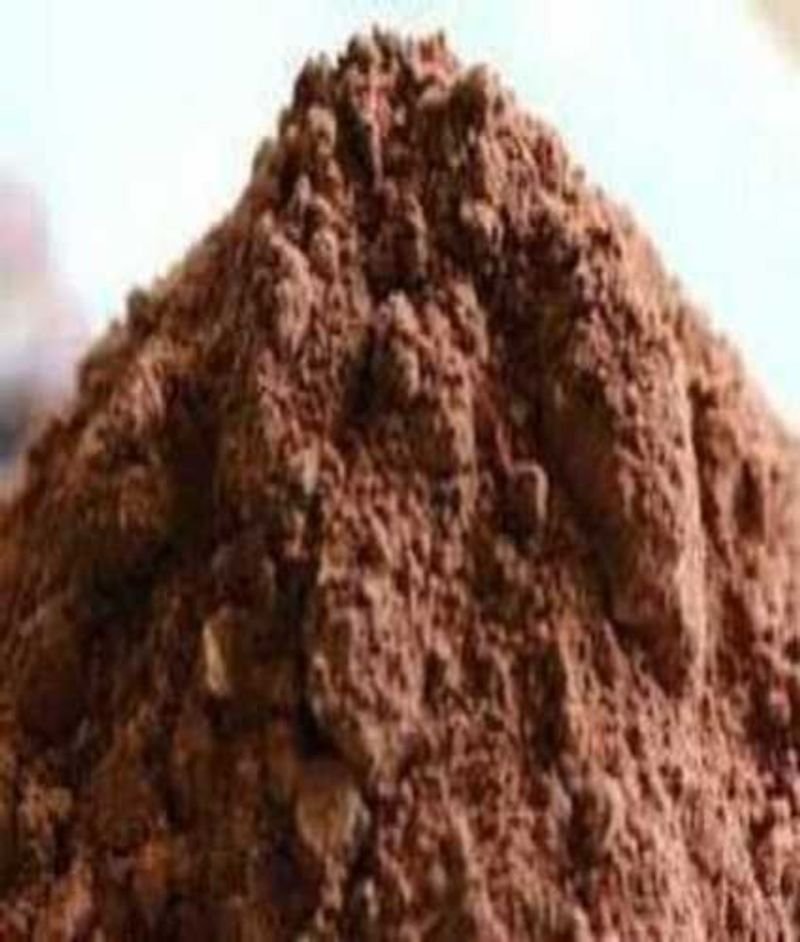


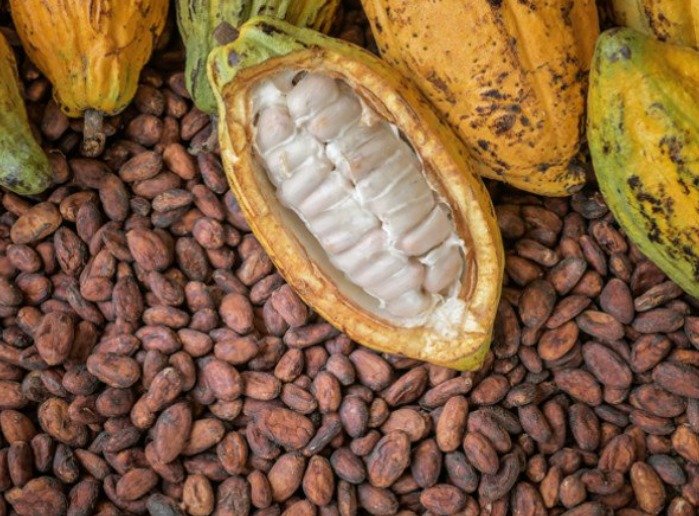











Buy Online Wholesale Cocoa Nibs from Supplier & Exporter in Indonesia
Cocoa nibs are broken pieces of fermented, roasted, and cracked cocoa beans, offering a concentrated cocoa flavor with a crunchy texture. Sourced from Indonesian growers, these nibs serve as the raw material for chocolate production and can be further processed or used as an ingredient in food manufacturing, beverages, and confectionery. Their robust cocoa profile and versatility make them a cost-effective alternative to cocoa liquor or powder for bulk buyers seeking to control formulation costs.
Available in varying cocoa content levels, these nibs provide flexibility in blending for chocolate makers, bakers, and spice blenders. The product is processed to remove shells, ensuring a clean, uniform texture suitable for direct use or milling. Buyers can select from standard and roasted grades, each delivering distinct flavor intensity and coloration for different end applications.
Indonesian cocoa nibs are produced in compliance with global food safety standards and are traceable to certified farms. The product is shipped in food-grade packaging to preserve freshness and prevent moisture absorption. Typical uses include chocolate compounding, bakery fillings, energy bars, and specialty beverages where a natural cocoa crunch or flavor boost is desired.
Import Wholesale Cocoa Nibs for Your Business Needs
Best Fit & Nearest Alternatives
Best suited for:
- Chocolate compounding and couverture blending
- Bakery and confectionery fillings
- Energy bars and snack coatings
- Cocoa-based beverage formulations
- Spice blends and culinary applications
Not ideal for:
- Fine chocolate bars requiring smooth texture (nibs provide a crunchy bite)
- Applications needing fully solubilized cocoa (nibs are particulate)
- Low-temperature dissolution processes where heat sensitivity is a concern
Roasted nibs offer deeper flavor and color compared to raw nibs, while standard nibs provide a milder cocoa profile at lower cost. For smoother texture, cocoa liquor or powder may be preferable, though at higher per-unit prices.
What Drives the Price
- Cocoa content level (e.g., -+30% vs -+80% roasted nibs)
- Processing level (fermentation, roasting, shell removal quality)
- Volume tier and contractual commitments (FOB, CFR, CIF terms)
- Seasonal supply fluctuations and freight market conditions
- Certification status (organic, fair trade, etc. - confirm with supplier)
Pricing scales with MOQ and volume tiers. Lower per-unit costs are typical at higher volumes due to reduced handling and shipping overhead. Request a quote based on your annual usage and preferred Incoterms.
Lead Time, Shipping & Returns
- Lead time: Typical lead time from confirmed order is 15 - 30 days, depending on grade, volume, and seasonal demand. Confirm exact timing with supplier during quotation.
- Shipping: Common modes include ocean freight (20' or 40' containers) and break-bulk for smaller lots. Roasted nibs may require temperature-controlled containers in humid climates.
- Returns & defects: Returns are accepted only for confirmed defects or non-conformity within 7 - 14 days of delivery, subject to inspection and supplier approval. Buyers are advised to conduct in-house QC on arrival, including moisture, foreign matter, and flavor verification.
Handling & Application Notes
- Store in a cool, dry place away from direct sunlight to preserve flavor and prevent mold growth.
- Pre-mix with dry ingredients before adding liquids to avoid clumping in doughs or batters.
- Roasted nibs dissolve more readily in hot liquids but may darken formulations; adjust recipe balance accordingly.
About Supplier
PT. Mandala Prima Makmur operates as an exporter and supplier of cocoa derivatives from Indonesia, with direct sourcing from regional cooperatives and estates. The company specializes in fermented and roasted cocoa products, serving food manufacturers, confectioners, and bulk importers worldwide.
With over two decades in the cocoa trade, the supplier maintains traceability from farm to shipment and offers flexible commercial terms including FOB, CFR, and CIF. They provide documentation support and can assist with phytosanitary certificates, fumigation records, and export compliance upon request.
Supplier Details for Cocoa Nibs
- Established - 12 Jun, 2025
- Business Type - Exporter
- Deals in Product Type - Food Ingredients - Cocoa & Chocolate Products
- Country - Indonesia
Frequently Asked Questions (FAQs) on Cocoa Nibs
1. What is the difference between -+30% and -+80% cocoa nibs?
The -+30% grade refers to raw cocoa nibs with approximately 30% cocoa content by weight, offering a milder flavor and lighter color. The -+80% grade indicates roasted nibs with up to 80% cocoa solids, delivering a stronger, more intense cocoa taste and darker appearance.
2. Can these nibs be used directly in chocolate production?
Yes, cocoa nibs can be used directly in chocolate production as a base ingredient. They are typically milled into cocoa liquor or blended with sugar and cocoa butter during chocolate compounding. Some manufacturers use nibs for textural enhancement in specialty chocolate bars.
3. What is the typical microbiological profile of these nibs?
While specific microbial counts vary by lot, Indonesian cocoa nibs are generally processed to meet EU and US food safety standards for raw cocoa products. Buyers should request a recent COA from the supplier for verification.
4. Are these nibs suitable for organic-certified products?
The supplier can provide organic-certified cocoa nibs upon request. Confirm availability and certification scope with the supplier before ordering.
5. How should nibs be stored to prevent oxidation or moisture damage?
Store in a cool, dry environment with low humidity and minimal air exposure. Use airtight containers or sealed bags after opening. Avoid temperature fluctuations to maintain flavor integrity.
6. What are the main contaminants to test for in incoming cocoa nibs?
Typical contaminants include aflatoxins, heavy metals, and foreign matter such as shell fragments and stones. Buyers should conduct third-party lab testing on arrival, especially for high-risk applications.
7. Can nibs be used in cold-process beverages like smoothies?
Yes, roasted nibs can be used in cold-process applications for texture and flavor, though they do not dissolve. For smooth integration, pre-soak or blend finely before adding to liquids.
8. Does the supplier offer fumigation certificates?
Fumigation certificates are available upon request for shipments requiring phytosanitary treatment. Confirm with the supplier during order placement to ensure compliance with import regulations.
Explore Top Product Categories
- Alcohol Based Hand Sanitizer
- Paper Soap
- Antibacterial Hand Wash
- Cosmetic Kits
- Detergent Chemicals
- Industrial Chemicals
- Laboratory Chemicals
- Leather Chemicals
- Car Accessories
- Motorcycle Parts
- Automobile Brakes Spare Parts
- Motorcycle, Scooters & ATV Bikes
- Building Construction Machineries & Equipments
- Bricks
- Cupboards, Door, Gates, Grills & Windows
- Wall Tiles
- Filters, Water Treatment Plants
- Household Cleaning Products
- Wiping Rags, Mops, Dusters, Sponge, Brushes, Scourer
- Soap & Detergent
- Industrial Gears & Gear Boxes
- Machined Components
- Bolts
- Nuts
- Food Packaging Bags
- Wooden Packaging Boxes
- Offset Printing Machinery & Equipments
- Packaging Machinery