
Banarasi saree
- Port of dispatchIndia
- Estimate pricing$ 11.41 – $ 97.25Est. category range
- AvailabilityIn stock
- AttributeValue
- CompositionSilk (often mulberry or organza base) with zari (gold/silver thread)
- Construction/WeaveHandwoven on traditional pit looms
- Weight (GSM)Approximately 180 - 250 GSM for standard sarees; heavier variants may exceed 300 GSM
Products Description
Banarasi saree
Buy Banarasi saree Wholesale– Import Direct from Verified Supplier G.S.Enterprises. These Banarasi saree are available in bulk quantities with consistent quality assurance and competitive wholesale pricing. Ideal for retailers, importers, industrial users, and B2B Buyers, these Banarasi saree offer exceptional durability, affordability, and market-ready quality for wholesale and distribution. Global Trade Plaza makes international trade simple, secure, and scalable.
Product Categories
Products Specification
- AttributeValue
- CompositionSilk (often mulberry or organza base) with zari (gold/silver thread)
- Construction/WeaveHandwoven on traditional pit looms
- Weight (GSM)Approximately 180 - 250 GSM for standard sarees; heavier variants may exceed 300 GSM
- Width44 - 48 inches (standard for sarees)
- Color/FinishWide range including solids, florals, brocades, and pastels; finishes vary from matte to highly lustrous
- CertificationsAsk the supplier for relevant textile or export certifications such as OEKO-TEX or GOTS if required
- CustomizationAvailable in custom lengths, colors, and motif designs; request samples for approval
- MOQ BasisPer saree or per set (e.g., 5 - 10 sarees); MOQ varies by design complexity
- PackagingIndividually wrapped in muslin cloth, placed in cardboard boxes, and reinforced for export
- HS CodeConfirm with supplier
- Draping StyleTraditional 5.5 - 9 yard drape with pleats and pallu (end piece)
- EmbellishmentsZari borders, butis (small motifs), and pallu designs
- Occasion SuitabilityWeddings, festivals, formal events, and cultural ceremonies


Inquire now
Related Products




Post your requirement – Global Trade Plaza
More Banarasi saree from Category
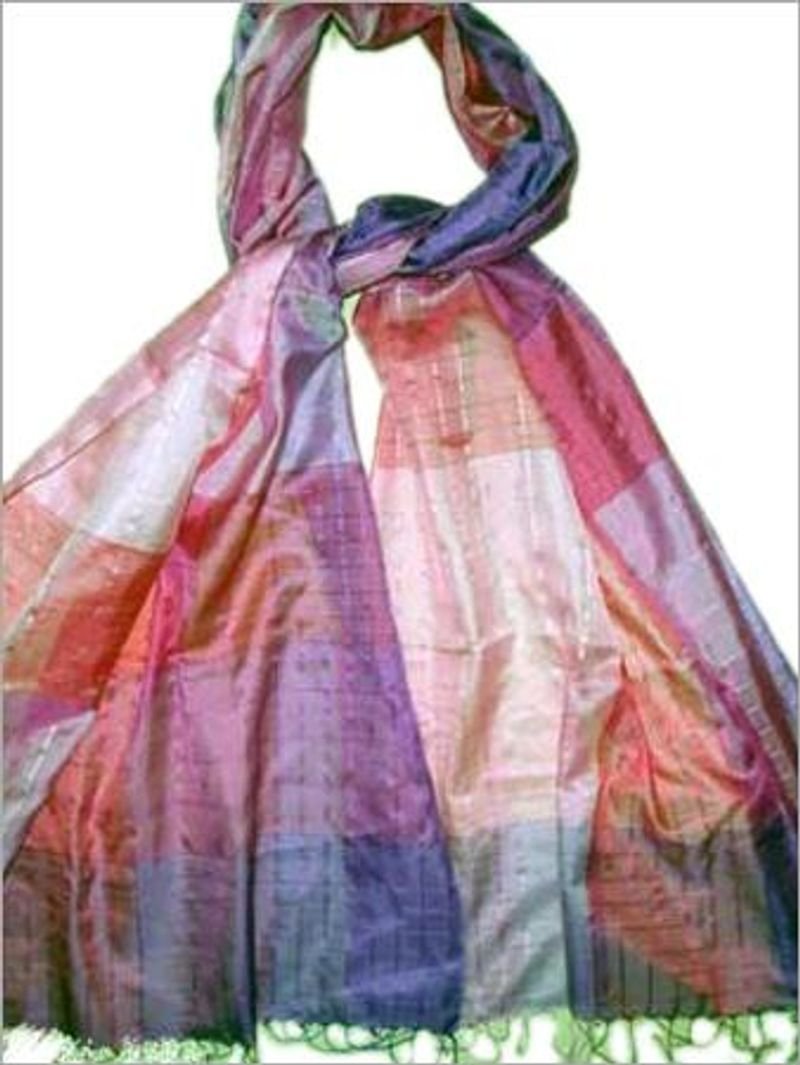




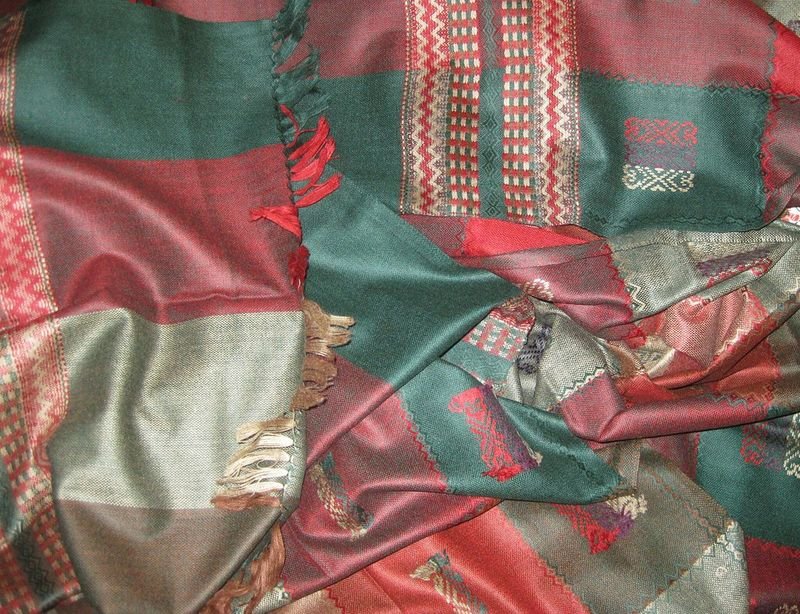
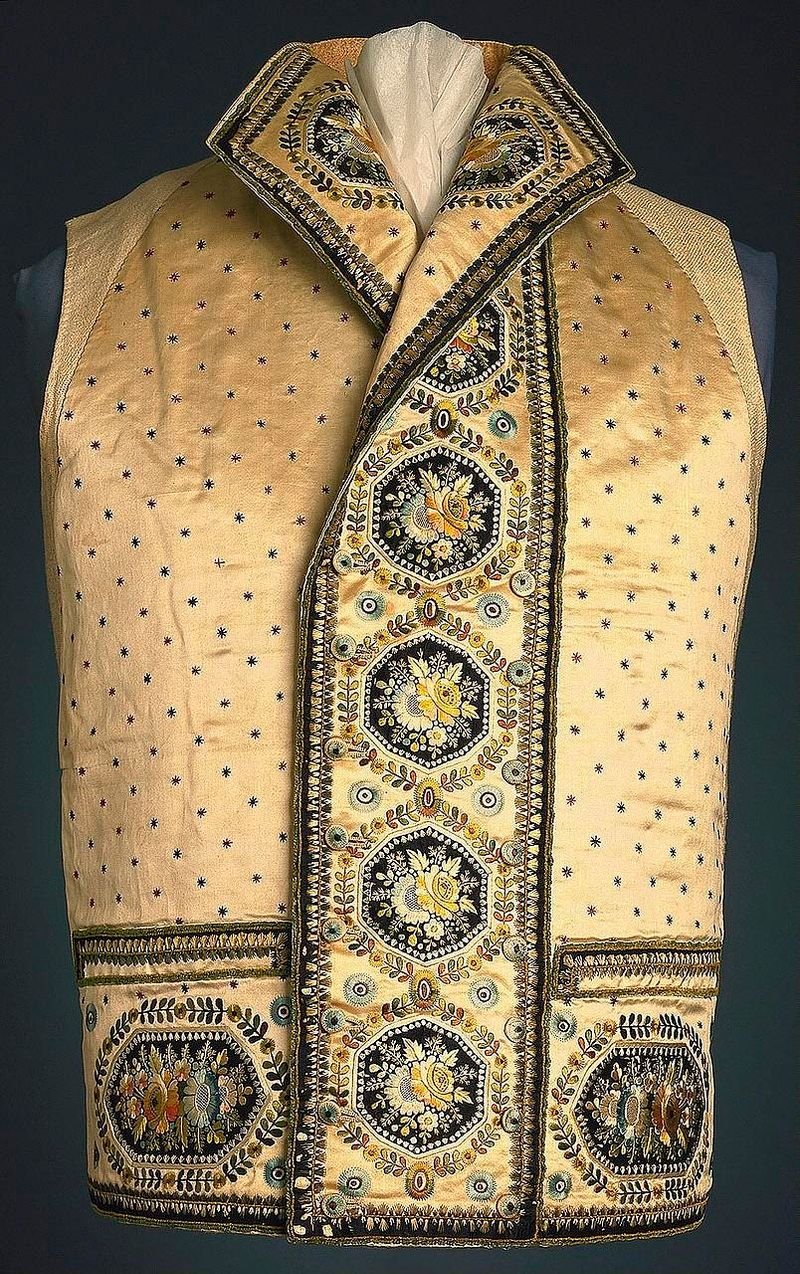

Buy Online Wholesale Banarasi saree from Supplier & Exporter in India
A Banarasi saree is a traditional Indian garment known for its intricate weaving, luxurious silk, and opulent zari work. These sarees originate from Varanasi (Banaras), Uttar Pradesh, and are crafted using time-honored techniques passed down through generations. They are a staple in weddings, festivals, and formal events across South Asia, making them a high-demand product for retailers specializing in ethnic fashion or cultural apparel.
Each saree features elaborate motifs like floral patterns, brocade, or geometric designs, often incorporating gold or silver thread for a regal finish. The weave is typically dense, resulting in a heavy yet elegant drape that enhances the wearer's presence. Buyers should note that authenticity and craftsmanship significantly influence quality, so sourcing from reputable suppliers is critical.
Banarasi sarees are available in a spectrum of colors, from vibrant reds and golds to pastel hues, with finishes ranging from matte to highly lustrous. They are prized for their durability, longevity, and cultural significance, making them a worthwhile investment for businesses targeting niche or premium markets.
Import Wholesale Banarasi saree for Your Business Needs
Best Fit & Nearest Alternatives
Best suited for:
- Boutiques focusing on traditional or bridal wear
- Exporters supplying to South Asian markets
- Retailers catering to diaspora communities
- Online stores specializing in ethnic fashion
Not ideal for:
- Casual or everyday wear segments
- Markets requiring machine-washable or low-maintenance fabrics
Compared to Kanjivaram sarees, Banarasi sarees are lighter in weight but feature finer zari work, making them more versatile for semi-formal occasions. Kanjivaram sarees, by contrast, are heavier and better suited for grand events.
What Drives the Price
- Silk quality and thread count
- Density of zari work (gold/silver thread)
- Complexity of motifs and handwork involved
- Length of the saree (standard 5.5 - 9 yards)
Pricing scales with MOQ and volume tiers; request a quote for bulk orders as discounts may apply based on quantity and customization requests.
Lead Time, Shipping & Returns
- Lead time: Typical lead time ranges from 15 to 45 days post-order confirmation, depending on the intricacy of the design and current production schedules. Confirm exact timelines with the supplier.
- Shipping: Standard modes include sea freight for bulk orders and air freight for smaller, time-sensitive consignments. Packaging is typically reinforced to prevent creasing or damage during transit.
- Returns & defects: Returns for defects are accepted within 7 - 14 days of delivery, subject to inspection by the supplier. Buyers should conduct a quality check upon receipt and report any discrepancies immediately.
Handling & Application Notes
- Store sarees in a cool, dry place away from direct sunlight to prevent silk degradation.
- Avoid frequent washing; dry-cleaning or spot-cleaning is recommended to preserve zari work.
- Iron on low heat with a cloth barrier to prevent damage to the fabric or embroidery.
About Supplier
G.S. Enterprises is a long-standing supplier and exporter of Banarasi sarees, specializing in high-quality handloom textiles. With over two decades of experience, they work directly with artisans in Varanasi to ensure authenticity and craftsmanship in every piece.
The company offers a diverse catalog of designs, from classic to contemporary, and is equipped to handle both small and large orders with stringent quality control measures. Buyers can request samples or custom designs to align with their market demands.
Supplier Details for Banarasi saree
- Established - 13 Jun, 2025
- Business Type - Exporter
- Deals in Product Type - Textiles - Traditional Indian Garments
- Country - India
Frequently Asked Questions (FAQs) on Banarasi saree
1. What distinguishes a Banarasi saree from other silk sarees?
Banarasi sarees are characterized by their use of fine silk and zari work, often featuring intricate Mughal-inspired motifs like florals and jaali patterns. The weave is typically lighter than Kanjivaram but denser than other silk sarees.
2. Can Banarasi sarees be machine-washed?
No, Banarasi sarees are not suitable for machine washing due to the delicate silk and zari. Dry-cleaning or spot-cleaning is recommended to preserve the fabric and embroidery.
3. How do I verify the authenticity of a Banarasi saree?
Authenticity can be verified through the supplier's documentation, such as artisan certificates or export licenses. Additionally, inspect the weave density, zari quality, and motif patterns for consistency with traditional Banarasi craftsmanship.
4. What is the typical drape length for a Banarasi saree?
Standard drape lengths range from 5.5 to 9 yards, with 6 - 7 yards being the most common for adult wear. Custom lengths can be requested based on buyer specifications.
5. Are Banarasi sarees suitable for warm climates?
While Banarasi sarees are breathable due to their silk base, the heavy zari and dense weave may not be ideal for very humid or hot climates. Lighter variants like tissue or organza-based sarees are better suited for such conditions.
6. How should I store Banarasi sarees to prevent damage?
Store sarees in a cool, dry place away from direct sunlight. Use acid-free tissue paper to separate folds and avoid plastic covers to prevent moisture buildup.
7. Can the zari work be customized in terms of color or design?
Yes, many suppliers offer customization of zari color (e.g., gold, silver, or colored threads) and motif designs. Request samples or digital renderings for approval before bulk production.
8. What documents should accompany a Banarasi saree shipment?
Common documents include a commercial invoice, packing list, certificate of origin, and any applicable textile export certifications (e.g., OEKO-TEX). Confirm the exact requirements with the supplier based on your destination country.
Explore Top Product Categories
- Alcohol Based Hand Sanitizer
- Paper Soap
- Antibacterial Hand Wash
- Cosmetic Kits
- Detergent Chemicals
- Industrial Chemicals
- Laboratory Chemicals
- Leather Chemicals
- Car Accessories
- Motorcycle Parts
- Automobile Brakes Spare Parts
- Motorcycle, Scooters & ATV Bikes
- Building Construction Machineries & Equipments
- Bricks
- Cupboards, Door, Gates, Grills & Windows
- Wall Tiles
- Filters, Water Treatment Plants
- Household Cleaning Products
- Wiping Rags, Mops, Dusters, Sponge, Brushes, Scourer
- Soap & Detergent
- Industrial Gears & Gear Boxes
- Machined Components
- Bolts
- Nuts
- Food Packaging Bags
- Wooden Packaging Boxes
- Offset Printing Machinery & Equipments
- Packaging Machinery
Related Products
SareeSareesSareesSilk sareesNarikunjiEyecatchy border worked faux chiffon saree 189Faux georgette bridal embroidered saree 45016Chiffon jacquard casual printed saree ts49002atextileSareesSareeDesigner georgette silk sareeDesiner partywear sareesSareesAfrican sareeSareesSareePadmanjali sareeAmmolya sareePrabha sareeGauri sareeBandhni sareesKota sareeSareesSareeIndian embroidered sareesSari
Related Categories
SareesAbayaAcrylic FiberAcrylic YarnApronsAsbestos FiberBamboo FiberBamboo YarnBath TowelsBathrobes & SwimwearBeach TowelsBeach WearBeadsBed Linens, Bed SheetsBelt BucklesBelts (Clothing Accessories)BlanketsBlazers And CoatsBleached Cotton FabricBleached FabricBlended FabricBlended YarnBobbinsBriefs & TrunksBurkha Or BurqaButtons (Tailoring Material)Canvas Fabric