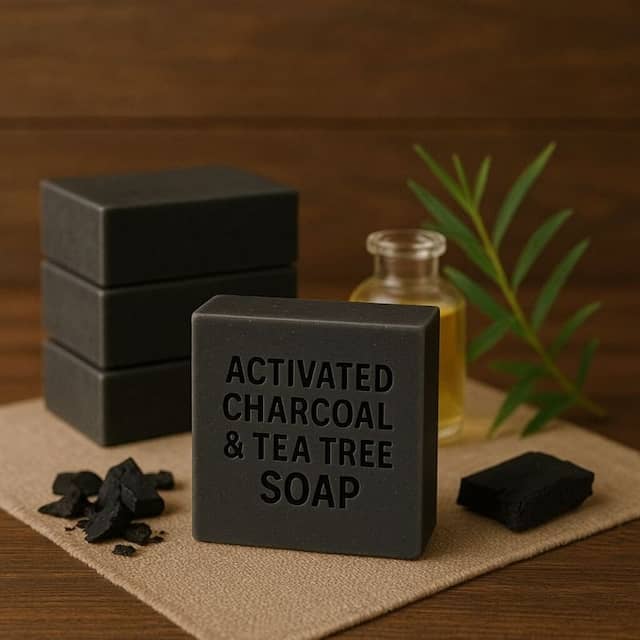
African Black Soap
- Estimate pricingPrice on request
Your request goes to Valley Green Organics. Follow up with them in Messages on Global Trade Plaza.
Products Description
Enrich and revitalize your skin with our African Black soap. It is a cleanser which helps exfoliate and also, gives your skin a healthier and richer glow. What makes this soap to have such magical results? The ingredients used to make the African Black soap are all-natural so rest assured that no additives are needed. It has also been used for a very long time to help in healing most skin-related diseases. As the name suggests, the African Black soap, as it is called in most European and American countries, originates from West Africa, particularly Ghana, where the women in that society made and used this soap to cleanse their skin and hair. Locally, the soap is known as alata simena, anago soap, ose dudu and sabulun salo. The secret recipe to make the African Black soap was passed down from generation to generation as it was considered sacred. However, there are several formulations on how to make it. Some have even been improvised and more ingredients have been added. Ingredients used to make the soap and their benefits Coconut oil â?? this product helps in cleaning, nourishing and moisturizing your skin and also helps activate collagen production which is vital for your skin. Plantain peels â?? cooking bananas are rich in vitamin C or ascorbic acid, thiamine, folic acid, antioxidants and proteins which help nourish your skin. Cocoa pods â?? these are the coverings of the cocoa bean which are a good source of antioxidants and have been proven to have anti-inflammatory properties. Shea butter â?? it is rich in fatty acids which help to give a silky smooth skin. It also facilitates the repair of damaged skin and activates generation of collagen. Palm oil â?? it is produced in the fruit of the palm tree. While in its unrefined state, it is rich in vitamin E, antioxidants and fatty acids. Palm kernel oil â?? unlike the one above, it is derived from the seed of the palm tree. It is a great source of fatty acids. How is African Black soap made? First, plant matter is gathered, then it is sun-dried and then it is roasted at a consistent temperature until it becomes ash. This is how it gets its deep and dark color. This ash is then added to water and a mixture of palm oil, coconut oil, Shea butter and any other fats needed. This mixture is then heated and stirred by hand for at least a day. When it begins to solidify, it is removed and left to â??cureâ?? for about a fortnight. The soaps made traditionally are generally purer as compared to those sold in American or European countries as they may have additional ingredients. How to use African Black Soap The soap has a sort of rough texture accompanied by an earthy scent which is pleasant. Being unprocessed, you will have to cut the soap into smaller pieces according to your own liking. As it is raw, it may contain pieces of vegetation which can easily be pulled out to avoid being cut while using it. To use it properly, create lather on your hands before rubbing it on your skin.
Product Categories
Products Specification
- Contact Seller



Get a quote from Valley Green Organics
African Black Soap from other sellers



Post your requirement – Global Trade Plaza
Describe what you need once. Suppliers who deal in it see your requirement as a buy lead and can send you offers.
Other Products from Seller
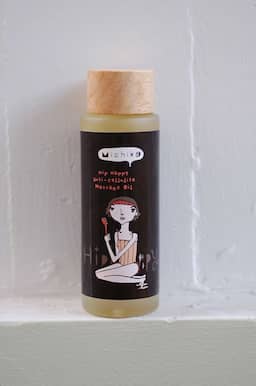
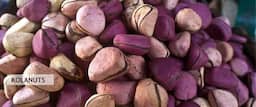
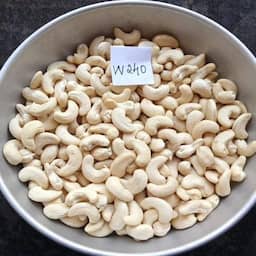
Buy Online Wholesale African Black Soap from Supplier & Exporter in
African black soap is a traditional cleanser originating from West Africa, particularly Ghana, where it is known locally as alata simena, anago soap, ose dudu and sabulun salo.
Import Wholesale African Black Soap for Your Business Needs
The seller has not added a specification yet; ask for the data sheet or test certificate. Ask Valley Green Organics for a firm quote and delivery terms before you order.
About Supplier
Valley Green Organics is a B2B supplier based in Ghana, listed on Global Trade Plaza since October 2026. Use Inquire now or Chat with supplier to ask Valley Green Organics for prices, specifications and documents for African Black Soap.
Supplier Details for African Black Soap
- Member since - Oct 2026
- Business Type - Contact Seller
- Deals in Product Type - Soaps & Detergents
- Country - Ghana
Frequently Asked Questions (FAQs) on African Black Soap
1. What is the Seller’s Policy on Payment for African Black Soap?
Ask Valley Green Organics which payment terms they accept for African Black Soap. Agree the payment terms in writing with the supplier before you pay.
2. How to Place an Order for African Black Soap with Valley Green Organics?
Click Get a quote to send your requirement to the supplier Use Chat with supplier to ask questions Post your requirement to hear from other suppliers too
Placing an order for African Black Soap with Valley Green Organics is quick and straightforward on Global Trade Plaza, a leading B2B marketplace for global buyers and suppliers. You can:
3. What Should You Consider When Buying African Black Soap Online in 2025?
Product specifications (material, durability, features) Quality certifications and compliance Supplier credibility and customer reviews Minimum Order Quantity (MOQ) and bulk pricing Lead time and delivery timelines
When purchasing African Black Soap from a B2B marketplace in 2025, focus on the following critical factors:
Comparing prices and communicating directly with Valley Green Organics can help ensure value for money and better sourcing decisions.
4. Who Are the Top B2B Importers and Buyers of African Black Soap on Global Trade Plaza?
Visit the Buy Leads section Filter by industry, product type, or country Create an account to access full buyer contact details
Global Trade Plaza is home to B2B buyers, wholesalers, distributors, and importers of African Black Soap across industries and countries. To discover the most active and high-value buyers:
5. What is the Port of Dispatch, Estimated Price, and Packaging Type Offered by Valley Green Organics?
Valley Green Organics, a B2B supplier from Ghana, dispatches African Black Soap primarily through the port at Ghana. Packaging types (e.g., bulk, custom, eco-friendly) and estimated pricing may vary based on order volume and destination. To get detailed logistics and pricing information, use Get a quote or Chat with supplier, or Sign Up for direct supplier interaction.



Explore Top Product Categories
- Alcohol Based Hand Sanitizer
- Paper Soap
- Antibacterial Hand Wash
- Cosmetic Kits
- Detergent Chemicals
- Industrial Chemicals
- Laboratory Chemicals
- Leather Chemicals
- Car Accessories
- Motorcycle Parts
- Automobile Brakes Spare Parts
- Motorcycle, Scooters & ATV Bikes
- Building Construction Machineries & Equipments
- Bricks
- Cupboards, Door, Gates, Grills & Windows
- Wall Tiles
- Filters, Water Treatment Plants
- Household Cleaning Products
- Wiping Rags, Mops, Dusters, Sponge, Brushes, Scourer
- Soap & Detergent
- Industrial Gears & Gear Boxes
- Machined Components
- Bolts
- Nuts
- Food Packaging Bags
- Wooden Packaging Boxes
- Offset Printing Machinery & Equipments
- Packaging Machinery
Related Products
Jecept Hand Soap - Invigorating LemongrassJecept Hand Soap - Relaxing LavenderJecept Hand Soap - Uplifting Senses PeachJecept - Moroccan Black SoapJecept - Curcuma Lightening SoapExfoliating SoapJecept - Moisturizing Glycerin SoapJecept - Mud SoapJecept - Sulfur SoapLavender Soap (antibacterial & toner)Handmade SoapsSoft SoapLaudry Powder UniversalLaudry Powder EnzymaticPearly Hand Sanitizer Hand Washing GelAnti-Bacterial Hand Sanitizer Hand Washing GelCarpet Shampoo High Foam Liquid DetergentLow Foam Carpet Cleaner Liquid DetergentConcentrated Defoamer Liquid DetergentDetergent PowderDetergent LiquidHimalayan Pink Salt SoapChimera Hair Care ShampooOrganic SoapAfrican Black SoapConju Princess SoapChampignons Soap
Related Categories
Soaps & DetergentsAir FreshnersBaby BagsBaby BasketsBaby BassinetBaby Bath TubBaby BathrobesBaby BibsBaby BootiesBaby Bottle AccessoriesBaby Bottle BrushBaby Bottle NippleBaby Bottle SterilizerBaby Bottle WarmerBaby BottlesBaby BowlsBaby Car SeatsBaby CarrierBaby ChairsBaby Cloth DiapersBaby Cloth NappiesBaby ClothesBaby CombBaby ComfortersBaby Cots, Cradles & PramsBaby CreamBaby Cups and Mugs